
Virtual Autism: Understanding the Impact of Excessive Screen Time on Children
In today's digital world, smartphones, tablets, televisions, and other electronic devices have become part of everyday life. While technology can support learning when used appropriately, excessive screen exposure during early childhood has raised concerns among parents and healthcare professionals.
One emerging concept is Virtual Autism, a term used to describe autism-like symptoms that may develop in young children due to prolonged screen exposure and reduced real-life social interaction. Although Virtual Autism is not an officially recognized medical diagnosis, excessive screen time can contribute to developmental delays, especially in speech, language, attention, and social communication.
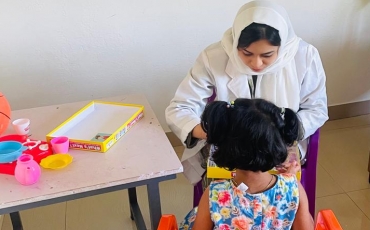
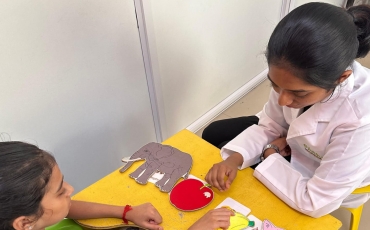
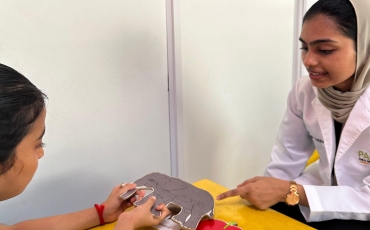
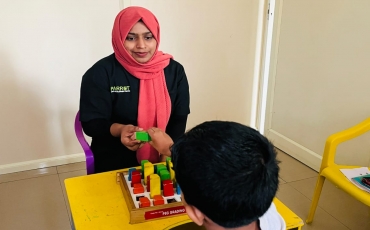
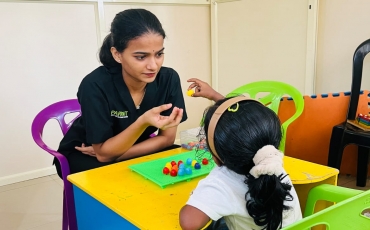
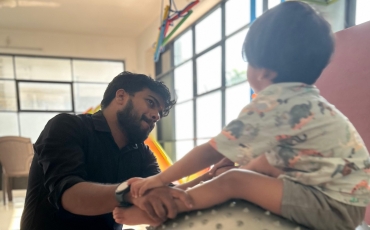
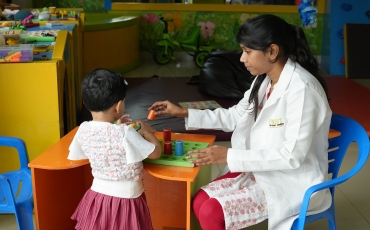
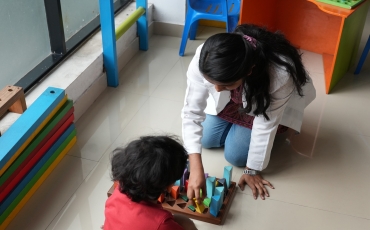
At Parrot Child Development Centre, Kozhikode (Calicut), our multidisciplinary team helps identify developmental concerns early and provides individualized intervention to support healthy child development.
What is Virtual Autism?
Virtual Autism refers to a condition in which young children display behaviours similar to Autism Spectrum Disorder (ASD) after prolonged exposure to digital screens during the critical years of brain development.
Children spend less time interacting with parents, caregivers, and their environment, reducing opportunities to develop communication, social, and cognitive skills naturally.
While excessive screen time alone does not cause Autism Spectrum Disorder, it can significantly affect a child's overall development and may worsen existing developmental challenges.
How Excessive Screen Time Affects Child Development
The first five years of life are crucial for brain development. Children learn through:
- Talking with parents
- Playing with others
- Exploring their environment
- Eye contact
- Facial expressions
- Physical activities
- Social interaction
When these experiences are replaced by long hours of screen viewing, developmental delays may occur.
Excessive screen exposure may affect:
- Speech and language development
- Attention and concentration
- Social interaction
- Emotional regulation
- Learning ability
- Sleep patterns
- Behaviour
Signs of Virtual Autism
Children with excessive screen exposure may show:
- Delayed speech or no speech
- Poor eye contact
- Limited response when called by name
- Reduced interest in playing with others
- Difficulty following instructions
- Poor attention span
- Repetitive behaviours
- Irritability when screens are removed
- Preference for screens over social interaction
- Delayed social communication skills
These symptoms should always be evaluated by qualified child development professionals to determine the underlying cause.
Screen Time Recommendations for Children
Experts recommend limiting screen time based on a child's age.
General recommendations include:
- Under 2 years: Avoid screen time except for video calls.
- Ages 2–5 years: Limit recreational screen time to about one hour per day with adult supervision.
- Encourage more outdoor play, reading, conversation, and interactive activities.
Quality interaction with parents is far more beneficial than passive screen viewing.
Can Virtual Autism Be Reversed?
Many children who develop screen-related developmental delays show significant improvement when excessive screen time is reduced and appropriate therapy begins early.
Intervention may include:
- Reducing screen exposure
- Increasing parent-child interaction
- Structured play activities
- Speech and Language Therapy
- Behaviour Therapy
- Occupational Therapy
- Developmental stimulation programs
Early intervention provides the best opportunity for improvement.
How Parents Can Reduce Screen Dependency
Parents can support healthy development by:
- Setting daily screen time limits
- Encouraging outdoor play
- Reading books together
- Talking and singing with children
- Playing interactive games
- Creating screen-free family time
- Avoiding screens during meals and before bedtime
Children learn best through real-life experiences and human interaction.
Professional Support for Children with Developmental Concerns
If your child has delayed speech, poor eye contact, limited social interaction, or behavioural changes associated with excessive screen use, professional evaluation is recommended.
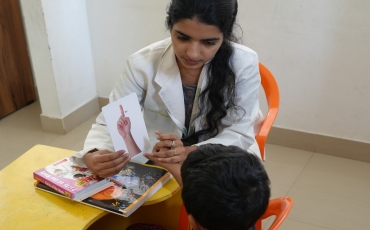
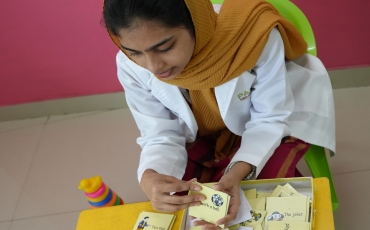
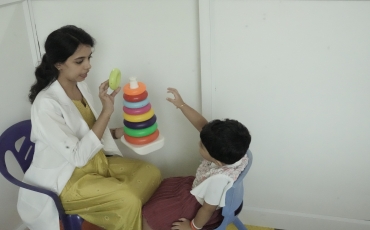
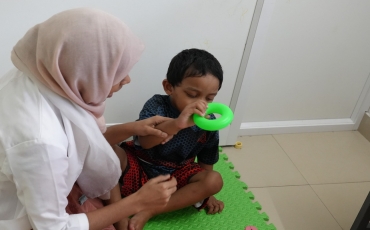
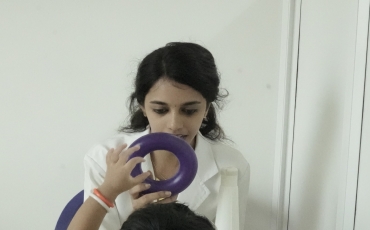
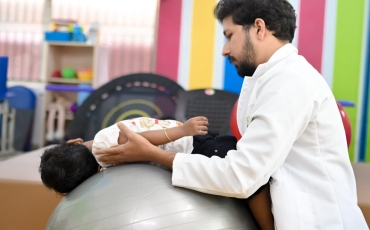
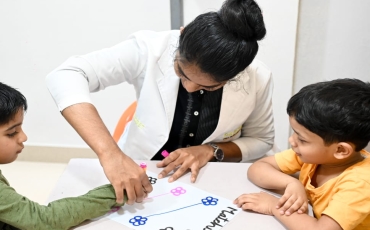
At Parrot Child Development Centre, Kozhikode (Calicut), our multidisciplinary team provides comprehensive developmental assessments and personalized intervention programs through:
- Speech and Language Therapy
- Behaviour Therapy
- Occupational Therapy
- Developmental Assessment
- Parent Guidance Programs
Early support can help children improve communication, social interaction, learning, and overall development.
Why Choose Parrot Child Development Centre?
Parents trust Parrot Child Development Centre because we provide:
- Experienced Child Development Specialists
- Individualized Therapy Programs
- Evidence-Based Treatment
- Early Intervention Services
- Child-Friendly Therapy Environment
- Family-Centred Care
- Multidisciplinary Team Approach
Our goal is to help every child achieve their fullest developmental potential.
Conclusion
Technology is a valuable tool when used appropriately, but excessive screen exposure during early childhood can interfere with speech, language, social interaction, and overall development. Recognizing the early signs of developmental delay and seeking timely intervention can make a significant difference.
If you are concerned about your child's development, the experienced team at Parrot Child Development Centre, Kozhikode (Calicut) is here to provide comprehensive assessment and personalized therapy to support your child's growth and future success.