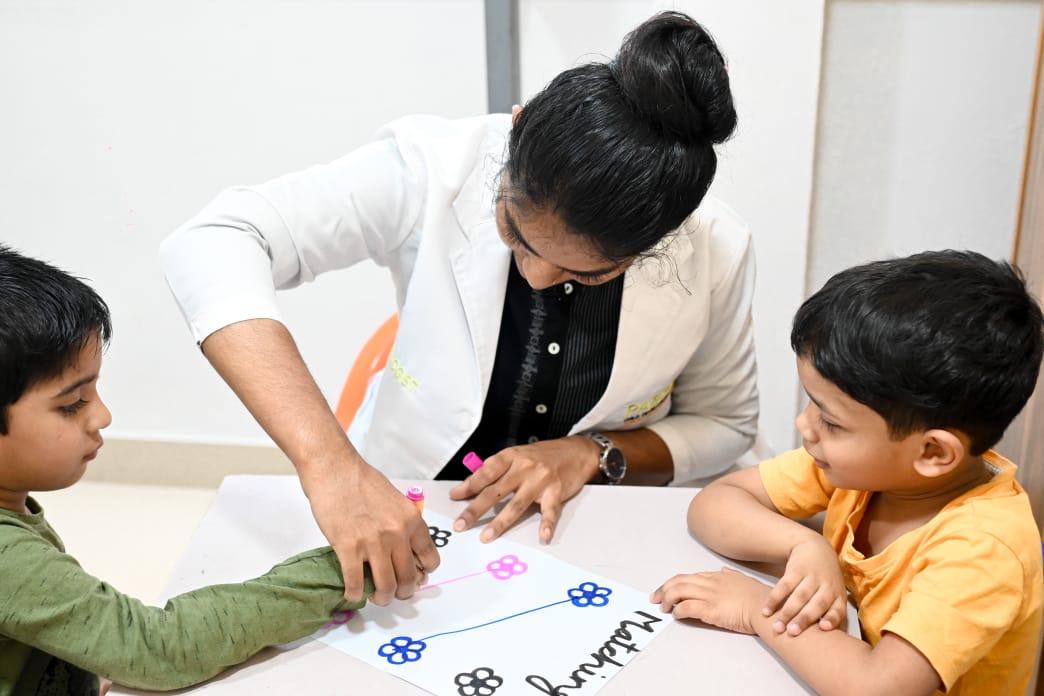
Tips to Reduce Screen Addiction in Children
In today's digital world, screens have become an unavoidable part of everyday life. Children use smartphones, tablets, televisions, and computers for learning, entertainment, and communication. While technology offers many benefits, excessive screen time can negatively affect a child's physical, emotional, social, and cognitive development.
Too much screen exposure has been linked to speech delays, reduced attention span, sleep disturbances, behavioural problems, poor social interaction, and decreased physical activity. Developing healthy screen habits early can help children grow and learn in a balanced way.
At Behavioural Therapy in Kozhikode, we guide families in building healthy routines that support children's overall development.
Why Is Too Much Screen Time Harmful?
Excessive screen time may contribute to:
- Delayed speech and language development
- Poor attention and concentration
- Reduced eye contact
- Limited social interaction
- Behavioural challenges
- Sleep disturbances
- Less physical activity
- Increased risk of childhood obesity
- Anxiety and emotional difficulties
Children learn best through play, conversation, movement, and real-life experiences rather than prolonged screen exposure.
Signs Your Child May Be Developing Screen Addiction
Some common warning signs include:
- Becoming upset when screens are taken away
- Spending most free time on digital devices
- Losing interest in outdoor play or hobbies
- Difficulty focusing on schoolwork
- Reduced communication with family
- Sleep problems
- Irritability without access to screens
- Preferring screens over social interaction
Recognizing these signs early allows parents to make healthy changes before they become long-term habits.
Tips to Reduce Screen Time in Children
1. Know Your Child's Daily Screen Time
Track how much time your child spends on:
- Television
- Mobile phones
- Tablets
- Computers
- Video games
Understanding current screen habits is the first step toward making positive changes.
2. Talk to Your Child About Healthy Screen Habits
Explain why balancing screen time with physical activity, learning, and family interaction is important.
Children are more likely to cooperate when they understand the reasons behind the rules.
3. Set Clear Daily Screen Time Limits
Create simple household rules about screen use.
For younger children:
- Avoid unnecessary screen exposure.
- Limit recreational screen time according to age.
- Encourage screen-free periods during the day.
Consistency is key to building healthy habits.
4. Keep Screens Out of the Bedroom
Avoid placing televisions, tablets, or computers in your child's bedroom.
Children who have screens in their rooms often:
- Sleep less
- Spend more time on devices
- Interact less with family members
Creating screen-free sleeping spaces supports better sleep and healthier routines.
5. Make Mealtimes Screen-Free
Family meals are valuable opportunities for conversation and bonding.
During meals:
- Turn off the television.
- Keep mobile phones away.
- Encourage everyone to talk and listen.
Regular family conversations help improve language development and emotional well-being.
6. Encourage Outdoor Play and Physical Activity
Replace screen time with enjoyable alternatives such as:
- Cycling
- Walking
- Playing outdoor games
- Sports
- Dancing
- Gardening
Physical activity supports healthy brain development, improves attention, and strengthens social skills.
7. Introduce Creative Activities
Children are naturally curious and creative.
Encourage activities like:
- Drawing
- Painting
- Reading books
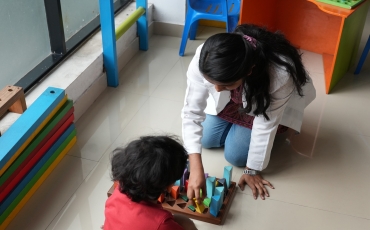
- Building blocks
- Craft work
- Music
- Puzzles
- Storytelling
These activities promote imagination, problem-solving, and communication skills.
8. Be a Positive Role Model
Children often imitate their parents.
Parents can encourage healthy habits by:
- Limiting their own screen time
- Spending quality family time together
- Choosing conversations over devices
- Participating in activities with their children
Healthy habits begin at home.
9. Avoid Using Screens as Rewards or Punishments
Using screen time as a reward can make digital devices seem even more desirable.
Instead, reward children with:
- Outdoor activities
- Family outings
- Storytime
- Board games
- Creative play
These alternatives encourage positive behaviour without increasing screen dependence.
10. Create a Balanced Daily Routine
A structured routine helps children develop healthy habits.
Include time for:
- Learning
- Outdoor play
- Family interaction
- Reading
- Creative activities
- Adequate sleep
Balanced routines reduce unnecessary screen use and support overall development.
When Should Parents Seek Professional Help?
If your child:
- Has delayed speech
- Shows poor eye contact
- Has difficulty interacting with others
- Becomes extremely dependent on screens
- Displays behavioural changes after prolonged screen use
it is advisable to seek a professional developmental assessment.
Early intervention can help improve communication, attention, behaviour, and social skills.
Professional Support in Kozhikode (Calicut)
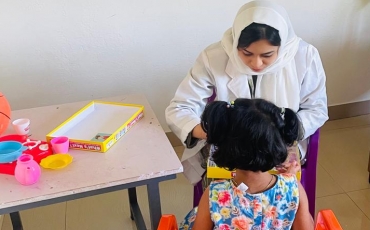
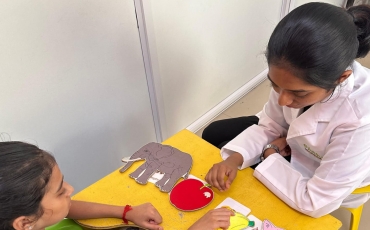
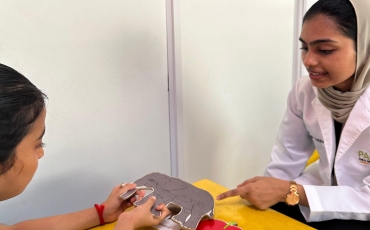
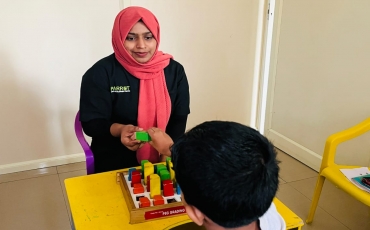
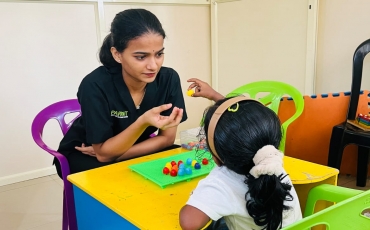
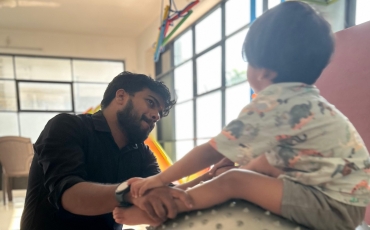
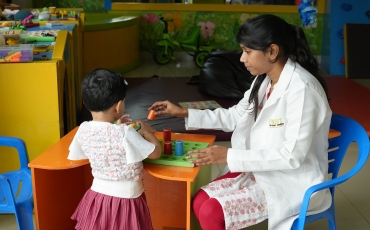
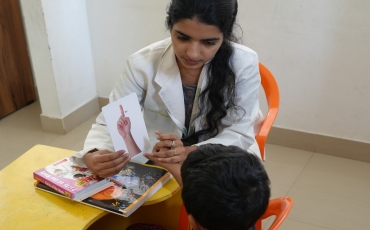
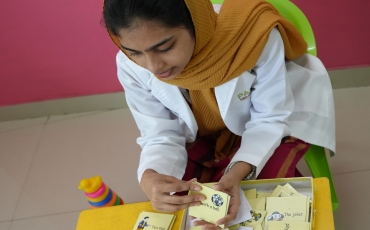
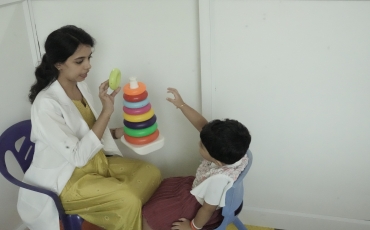
At Parrot Child Development Centre, Kozhikode (Calicut), our multidisciplinary team helps children who experience developmental concerns related to excessive screen exposure through:
- Behaviour Therapy
- Speech and Language Therapy
- Occupational Therapy
- Developmental Assessment
- Parent Guidance Programs
Our individualized intervention programs help children develop healthy routines, improve communication, and build essential life skills.
Why Choose Parrot Child Development Centre?
Parents trust Parrot Child Development Centre because we provide:
- Experienced Child Development Specialists
- Individualized Therapy Programs
- Evidence-Based Care
- Early Intervention Services
- Child-Friendly Therapy Environment
- Family-Centred Approach
- Multidisciplinary Team Support
We work closely with families to help children achieve healthy development in today's digital world.
Conclusion
Technology is an important part of modern life, but maintaining a healthy balance is essential for a child's growth and well-being. Reducing unnecessary screen time, encouraging active play, and promoting meaningful family interaction can significantly improve a child's physical, emotional, and social development.
If you are concerned about your child's screen habits or developmental progress, Parrot Child Development Centre, Kozhikode (Calicut) offers comprehensive assessments and personalized therapy programs to help your child thrive.