Activities for Children with Special Needs to Improve Handwriting
Handwriting is an important developmental skill that supports learning, communication, and independence. While some children naturally develop handwriting skills, others may struggle due to developmental delays, autism, ADHD, dyslexia, sensory processing difficulties, or poor fine motor coordination.
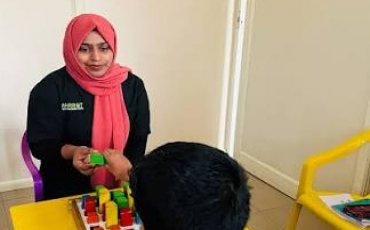
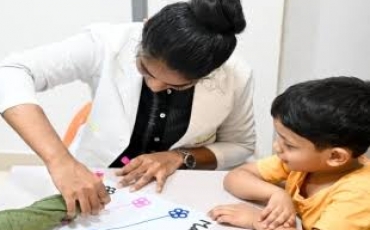
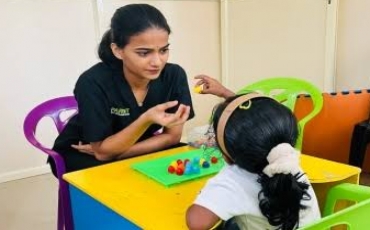
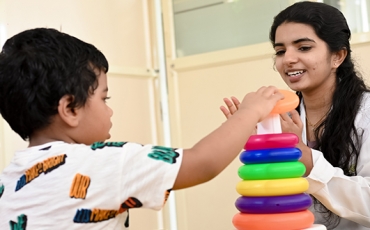
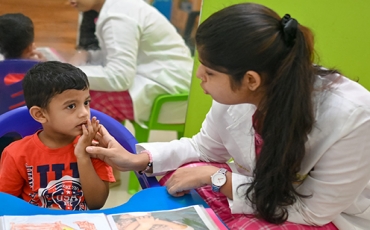
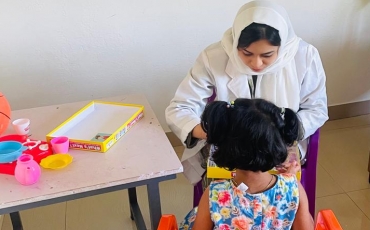
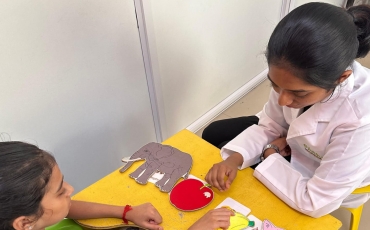
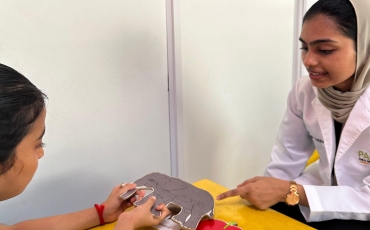
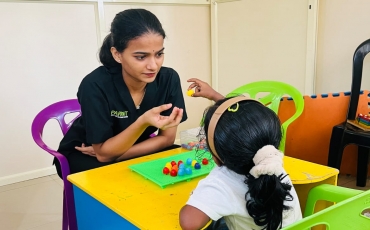
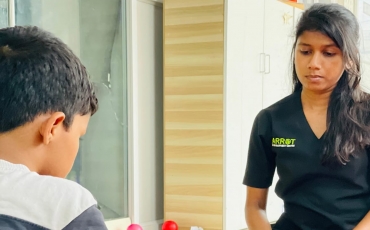
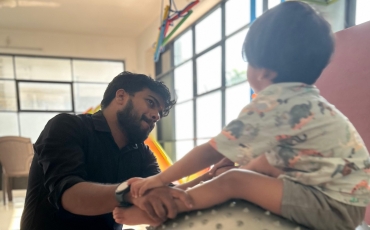
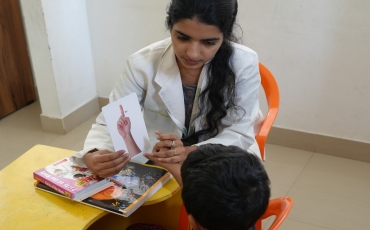
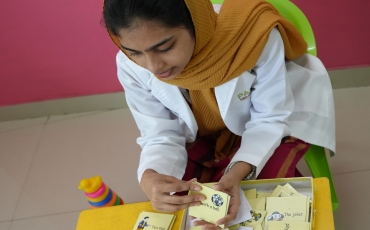
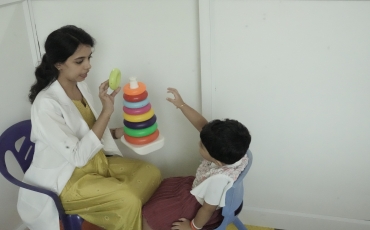
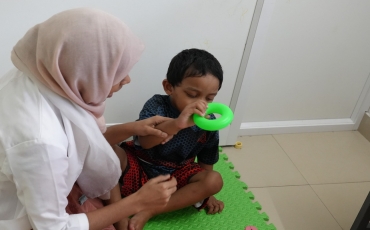
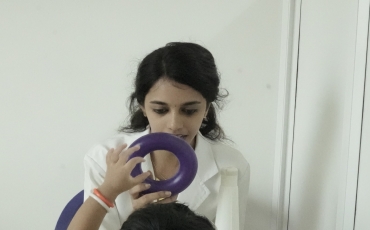
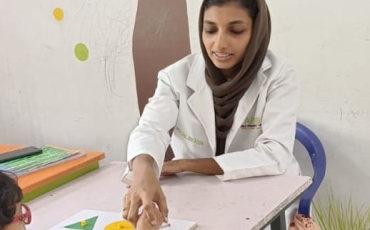
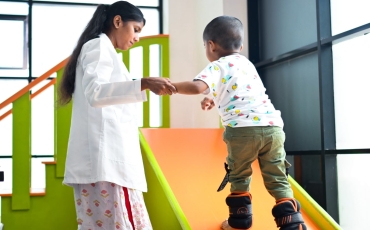
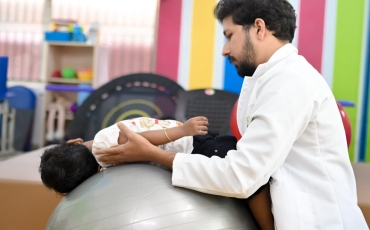
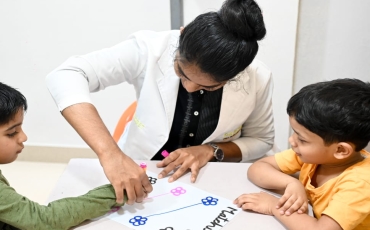
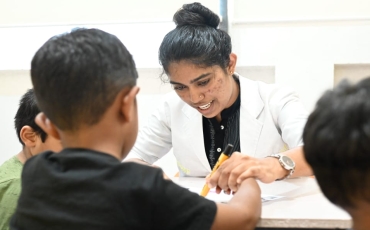
The good news is that handwriting skills can improve with the right guidance, regular practice, and occupational therapy. At Parrot Child Development Centre, Kozhikode, our occupational therapists help children build the motor, sensory, and visual skills needed for successful handwriting.
Why Do Some Children Struggle with Handwriting?
Handwriting difficulties are often linked to underlying developmental challenges rather than laziness or lack of practice.
Common causes include:
- Poor fine motor skills
- Weak hand strength
- Improper pencil grip
- Poor hand-eye coordination
- Visual-motor integration difficulties
- Sensory processing challenges
- ADHD
- Autism Spectrum Disorder
- Developmental Delay
- Dyslexia
Identifying the root cause allows therapists to create personalized intervention plans.
Fun Activities to Improve Handwriting
1. Make Writing Fun
Children learn better when writing becomes enjoyable.
Try activities such as:
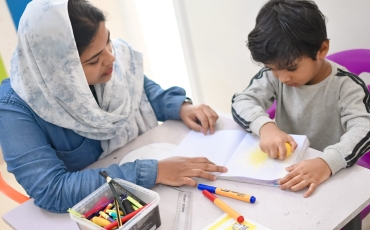
- Colourful pencils and crayons
- Word puzzles
- Crosswords
- Hangman
- Letter games
- Story writing
- Drawing and colouring
These activities encourage children to practice writing without feeling pressured.
2. Build Fine Motor Skills
Strong hand muscles are essential for good handwriting.
Encourage activities like:
- Clay modelling
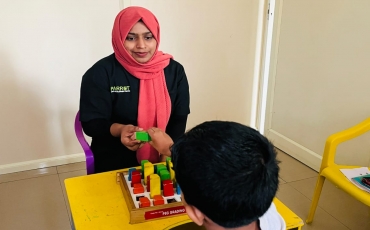
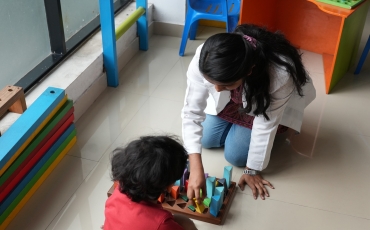
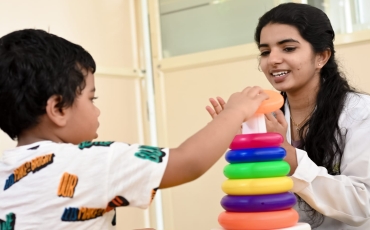
- Building blocks
- Threading beads
- Cutting with child-safe scissors
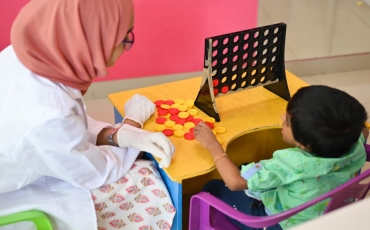
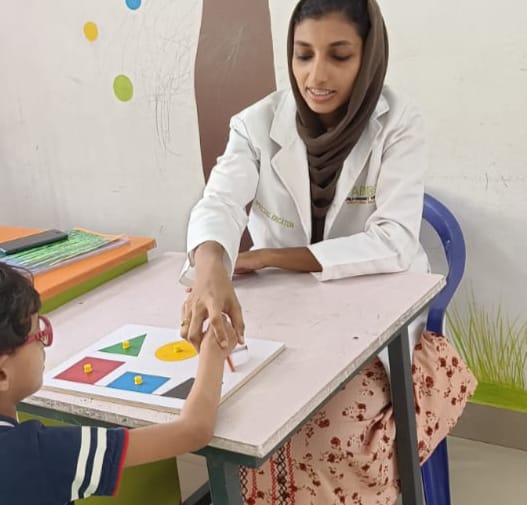
- Peg board activities
- Buttoning clothes
- Using tweezers
- Playing with puzzles
These activities strengthen finger muscles and improve coordination.
3. Improve Pencil Grip
Using the correct pencil grip makes writing easier and less tiring.
Helpful strategies include:
- Short pencils
- Pencil grips
- Triangular pencils
- Correct sitting posture
- Proper paper positioning
An occupational therapist can recommend the most suitable tools for each child.
4. Practice Letter Formation
Many children struggle with:
- Letter size
- Letter spacing
- Line alignment
- Letter reversals
Practice using:
- Four-line notebooks
- Tracing worksheets
- Dot-to-dot letters
- Pattern writing
- Shape copying
Regular practice improves writing accuracy and consistency.
5. Encourage Multi-Sensory Writing
Children often learn better through sensory experiences.
Fun sensory writing ideas include:
- Writing in sand
- Finger painting
- Shaving foam writing
- Rice tray writing
- Chalkboard activities
- Whiteboard practice
These methods improve sensory processing while making learning enjoyable.
6. Strengthen Visual-Motor Skills
Handwriting depends on the brain's ability to coordinate vision and hand movements.
Activities include:
- Mazes
- Spot-the-difference games
- Copying patterns
- Connecting dots
- Shape matching
- Building puzzles
These exercises improve visual perception and writing control.
How Occupational Therapy Helps
Occupational therapists assess the underlying reasons behind handwriting difficulties and create individualized therapy programs.
Therapy may focus on:
- Fine motor development
- Hand strength
- Pencil control
- Bilateral coordination
- Visual-motor integration
- Sensory Integration Therapy
- Postural control
- Hand-eye coordination
- Classroom readiness
Every therapy plan is customized according to the child's needs and developmental goals.
Handwriting Support at Parrot Child Development Centre, Kozhikode
At Parrot Child Development Centre, Kozhikode, our experienced occupational therapists help children improve handwriting through structured, evidence-based therapy programs.
We support children with:
- Autism Spectrum Disorder
- ADHD
- Developmental Delay
- Dyslexia
- Sensory Processing Difficulties
- Learning Disabilities
- Fine Motor Delays
Our goal is to help every child become more confident, independent, and successful in school and daily life.
When Should Parents Seek Professional Help?
Consider an occupational therapy assessment if your child:
- Avoids writing activities
- Has messy or illegible handwriting
- Tires quickly while writing
- Holds the pencil incorrectly
- Struggles to copy from the board
- Reverses letters frequently
- Falls behind classmates in writing skills
Early intervention leads to better long-term outcomes.
Conclusion
Handwriting is a skill that develops over time with consistent practice and the right support. Fun activities, fine motor exercises, and occupational therapy can significantly improve handwriting, confidence, and academic performance.
If your child experiences persistent handwriting difficulties, Parrot Child Development Centre, Kozhikode offers personalized occupational therapy programs to help children build the skills they need for success at home, school, and beyond.