
Speech Therapy Assessment for Children: What Parents Need to Know
What Is a Speech Therapy Assessment?
A speech therapy assessment is a structured evaluation of a child's speech, language, communication, and related skills. It helps a speech-language therapist understand how a child communicates and identify areas where additional support may be useful.
Parents may seek an assessment when they notice concerns such as unclear speech, limited vocabulary, difficulty forming sentences, trouble understanding instructions, stammering, or difficulty communicating with others.
An assessment does not simply focus on how many words a child can say. Communication involves several different skills, and each child needs to be considered individually.
Why Is a Speech Assessment Important for Children?
Children develop communication skills at different rates. Sometimes, a child may have difficulty in one particular area while developing normally in others.
A professional assessment can help identify the child's strengths as well as areas that may require support.
It can help parents understand:
- How the child understands spoken language
- How the child expresses thoughts and needs
- Whether speech sounds are developing appropriately
- How clearly the child is understood by others
- Whether the child is using age-appropriate vocabulary
- How the child communicates during interaction and play
- Whether fluency difficulties are present
- Whether further assessment or therapy may be appropriate
The purpose is not simply to identify a problem, but to understand the child's overall communication profile.
When Should Parents Consider a Speech Assessment?
Parents may consider consulting a speech-language therapist when they have ongoing concerns about their child's communication.
Some signs that may warrant an assessment include:
- The child is difficult to understand
- The child uses very few words compared with what is expected for their age
- The child has difficulty combining words into sentences
- The child struggles to understand simple instructions
- The child has difficulty expressing wants, needs, or ideas
- The child frequently repeats sounds or words
- The child has noticeable difficulty speaking fluently
- The child has difficulty participating in conversations
- The child has difficulty communicating socially
- Previously developed communication skills appear to have been lost
A single difference in development does not necessarily mean that a child has a speech or language disorder. An appropriate assessment helps determine whether professional support is needed.
What Happens During a Child Speech Assessment?
The assessment process can vary depending on the child's age, abilities, and concerns.
1. Parent or Caregiver Discussion
The therapist may begin by talking with the parents or caregivers about the child's communication history.
Questions may cover:
- Early developmental milestones
- Speech and language development
- Hearing history
- Medical or developmental history
- Communication at home
- Concerns noticed by parents or teachers
- Languages used by the child
- Previous therapy or assessments
This background information helps the therapist understand the child's communication in everyday situations.
2. Observation of the Child
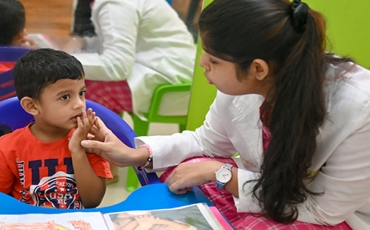
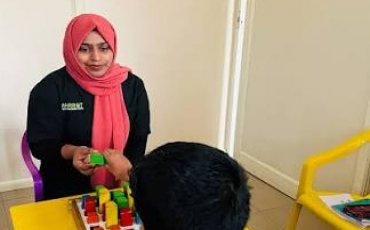
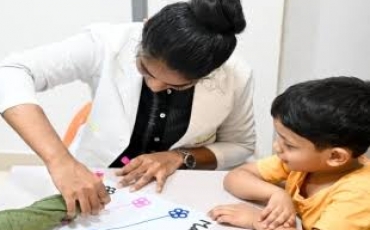
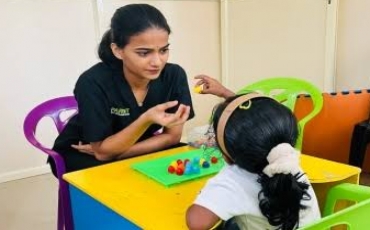
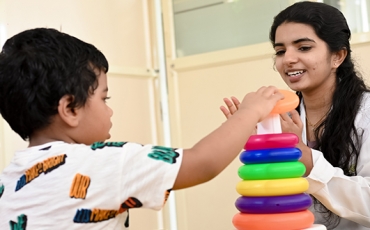
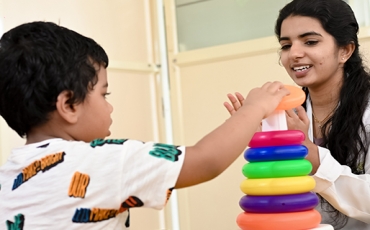
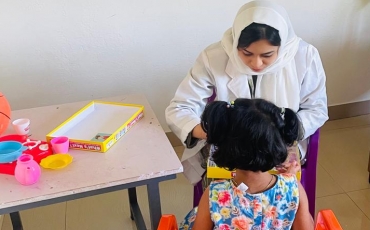
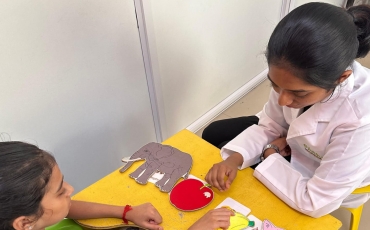
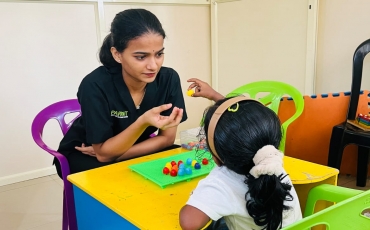
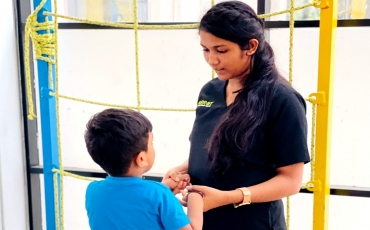
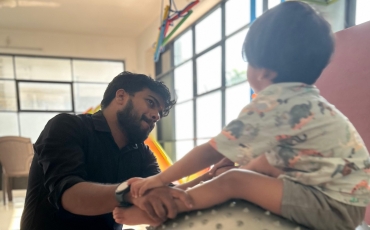
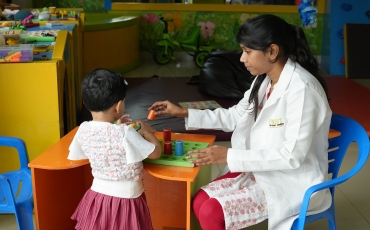
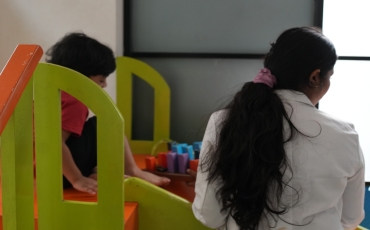
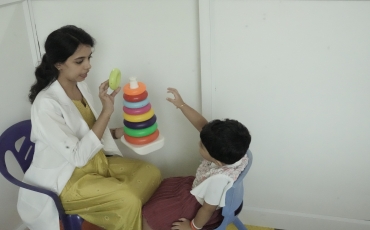
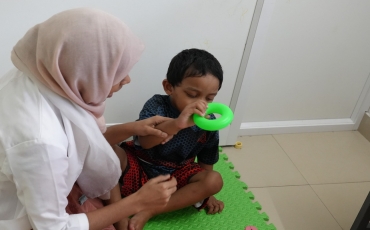
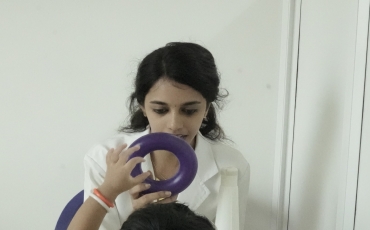
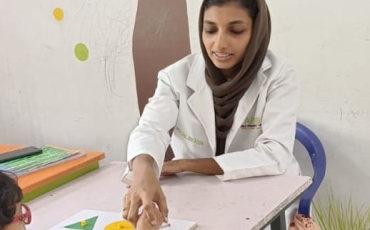
The therapist may observe how the child interacts, plays, responds to questions, follows instructions, and communicates with others.
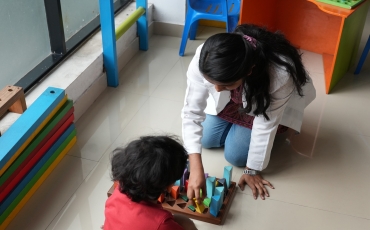
For younger children, play-based observation can provide useful information about communication skills without making the assessment feel like a formal test.
3. Speech Sound Assessment
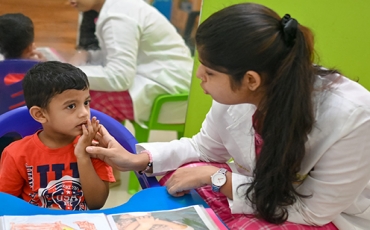
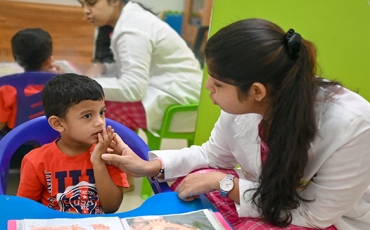
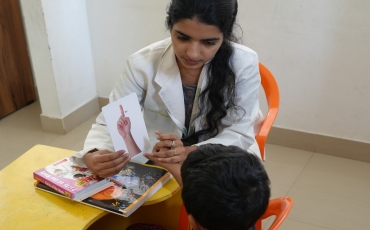
The therapist may listen to how the child produces different speech sounds.
This can help identify difficulties with:
- Individual speech sounds
- Sound combinations
- Words of different lengths
- Overall speech clarity
The therapist may also consider how understandable the child's speech is during natural conversation.
4. Language Assessment
Language includes both understanding and expressing information.
The therapist may assess areas such as:
- Understanding words and instructions
- Vocabulary
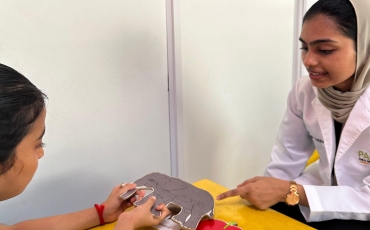
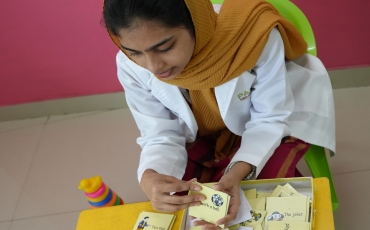
- Naming objects and actions
- Sentence formation
- Answering questions
- Describing events
- Expressing needs and ideas
This helps determine which aspects of language may need additional support.
5. Social Communication
Communication is more than producing words correctly.
Depending on the child's age and concerns, the therapist may also observe:
- Eye gaze and attention during interaction
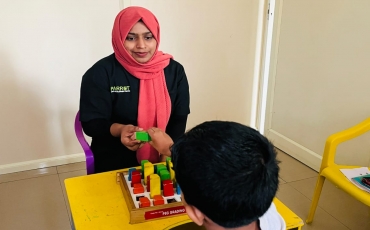
- Taking turns
- Initiating communication
- Responding to others
- Maintaining interaction
- Using communication for different purposes
- Understanding conversational cues
These skills can be particularly important when a child has broader developmental or social communication concerns.
6. Fluency Assessment
If parents are concerned about stammering or interruptions in speech, the therapist may assess the child's fluency.
The assessment may consider the frequency and type of disfluencies and how they affect the child's communication.
Does Every Child Need the Same Speech Therapy Assessment?
No. Assessment should be based on the child's individual needs.
For example, a child who has difficulty producing certain speech sounds may need a different assessment focus from a child who has difficulty understanding language.
Similarly, a child with developmental concerns may benefit from looking at communication, social interaction, play, and language together.
This individualized approach helps the therapist develop meaningful therapy goals.
What Happens After the Assessment?
After completing the assessment, the speech-language therapist discusses the findings with the parents or caregivers.
Depending on the results, the therapist may recommend:
- Speech therapy
- Language intervention
- Communication support at home
- Monitoring of communication development
- Further evaluation by another professional
- Collaboration with other members of a child's care team
If therapy is recommended, goals should be based on the child's specific communication needs.
How Can Parents Support Speech and Language Development at Home?
Parents can support communication development through everyday interactions.
Simple activities can include:
Talk During Daily Activities
Describe what you and your child are doing during meals, bathing, shopping, travelling, or playing.
Read Together
Look at picture books together and talk about characters, objects, actions, and events.
Give Choices
Instead of always asking yes-or-no questions, offer simple choices such as asking whether the child wants one item or another.
Encourage Turn-Taking
Games and everyday conversations can provide opportunities for the child to listen, respond, and take turns communicating.
Follow the Child's Interests
Joining your child's play and talking about what interests them can create natural opportunities for communication.
Parents should follow the therapist's recommendations for activities that match their child's individual goals.
Choosing a Speech Therapy Center in Calicut
For parents looking for a Speech Therapy Center in Calicut, it is useful to consider the overall approach of the centre.
Parents can look for a centre that provides:
- Individualized assessment
- Qualified speech-language professionals
- Child-friendly therapy
- Clear communication with parents
- Regular progress monitoring
- Therapy goals based on the child's needs
- Coordination with other professionals when required
At Parrot Child Development Centre, speech and language support is provided as part of a multidisciplinary approach to child development. Parents can explore the centre's Speech Therapy services to learn more about the support available for children.
When Should Parents Seek Professional Advice?
If you have ongoing concerns about your child's speech, language, or communication, discussing them with a qualified professional can help you understand what may be happening.
Early assessment does not automatically mean that a child needs long-term therapy. It can simply provide parents with a clearer understanding of their child's current communication skills and whether any support is appropriate.
Every child develops differently, so professional guidance should be based on the child's individual development rather than comparisons with other children.
Conclusion
A speech therapy assessment helps provide a clearer picture of a child's speech, language, and communication abilities. It can identify strengths, highlight areas that may need support, and help professionals develop appropriate goals.
For parents concerned about their child's communication, seeking an assessment can be a useful first step toward understanding their needs.
If you are looking for speech therapy for children in Calicut, a child-focused assessment can help determine the most appropriate support for your child's communication development.