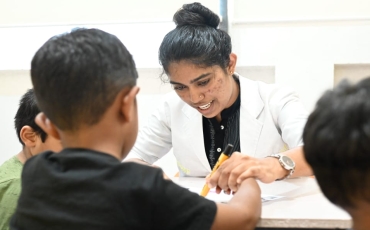

What Happens During Speech Therapy for Children? A Parent’s Guide
When a child is having difficulty with speech, language, or communication, parents may feel unsure about what happens during speech therapy. Many parents imagine that therapy simply involves asking a child to repeat words or practise difficult sounds.
In reality, speech therapy for children can involve many different activities depending on the child's age, communication abilities, strengths, and specific needs.
A speech-language professional first tries to understand how the child communicates and then plans activities that are appropriate for their individual goals.
What Is Speech Therapy for Children?
Speech therapy helps children develop communication skills that may be difficult for them.
Depending on the child's needs, therapy may focus on:
- Understanding language
- Learning and using new words
- Building sentences
- Pronouncing speech sounds
- Speaking more clearly
- Developing social communication
- Improving fluency
- Communicating needs and ideas
- Using alternative or augmentative communication when appropriate
The exact approach varies from child to child. This is why an assessment is generally an important first step before planning ongoing therapy.
What Happens Before Speech Therapy Begins?
Before regular therapy sessions begin, a speech-language professional may conduct an assessment.
The assessment helps understand the child's current communication abilities and areas that may need support.
Depending on the child's age and concerns, the therapist may look at:
- Receptive language
- Expressive language
- Vocabulary
- Sentence formation
- Speech sound production
- Fluency
- Social communication
- Play and interaction
- Functional communication
Parents may also be asked about the child's developmental history, communication at home, and concerns they have noticed.
This information helps the therapist develop goals that are relevant to the child's everyday communication.
What Does a Speech Therapy Session Look Like?
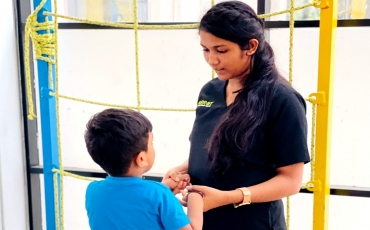
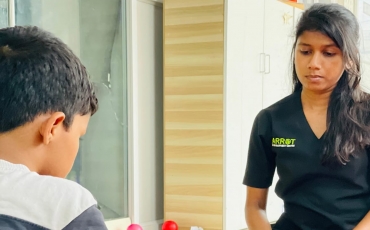
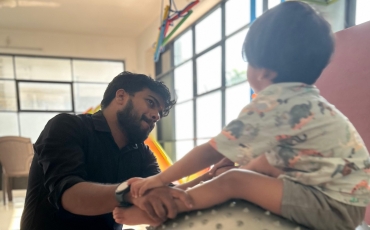
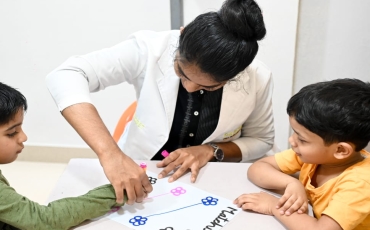
A session can look different for every child.
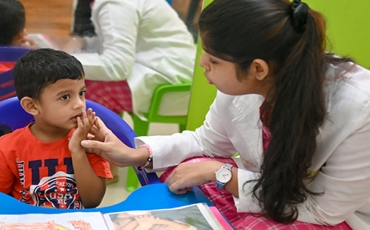
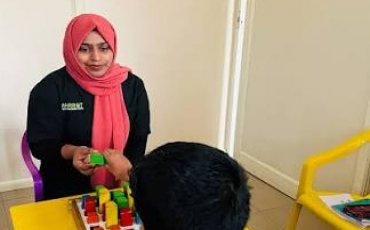
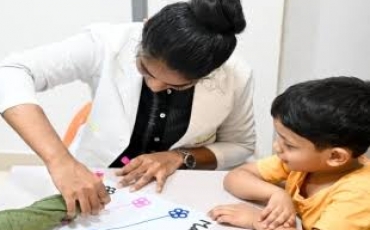
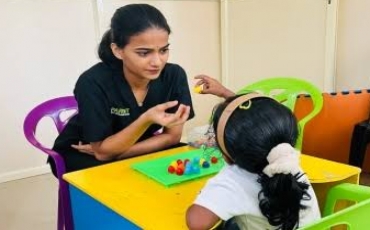
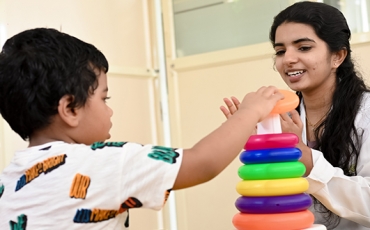
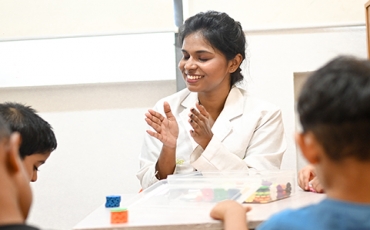
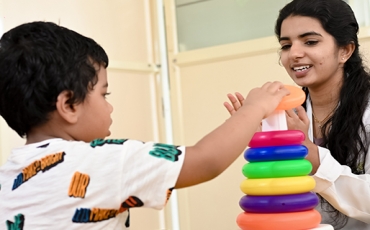
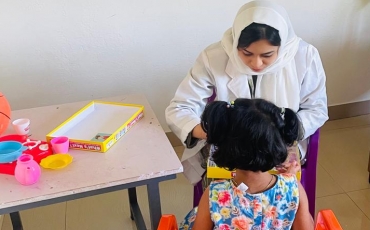
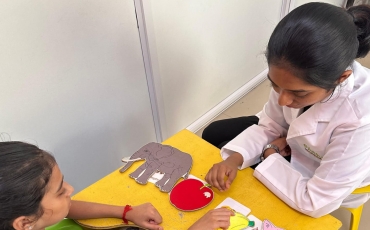
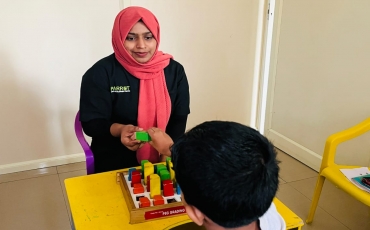
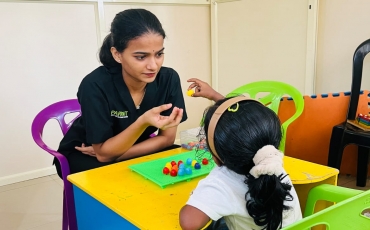
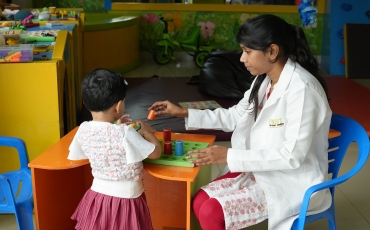
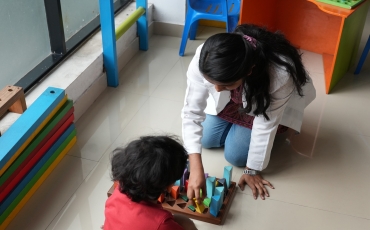
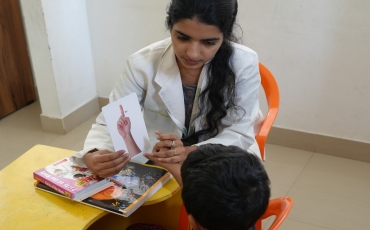
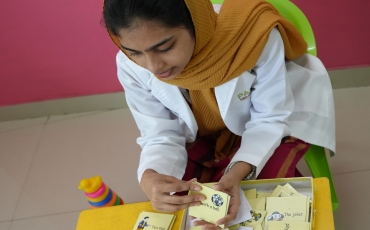
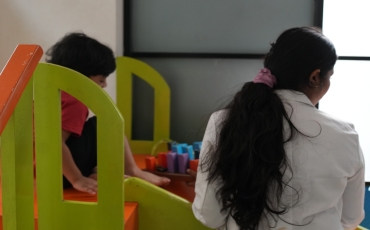
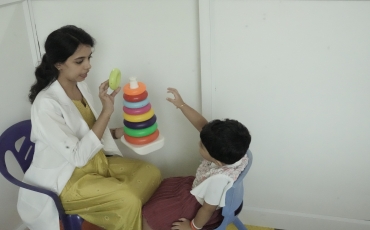
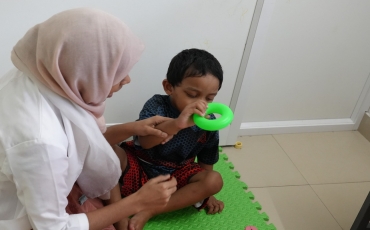
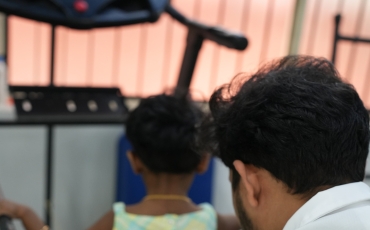
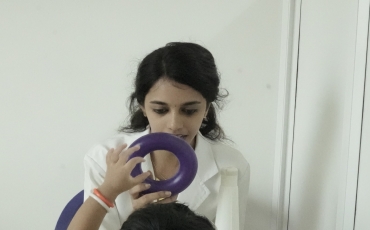
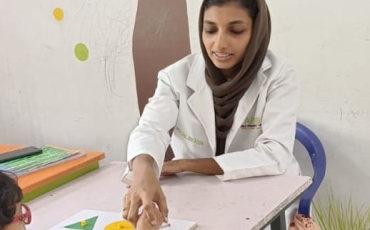
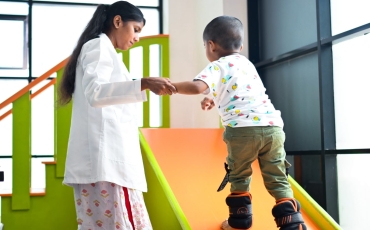
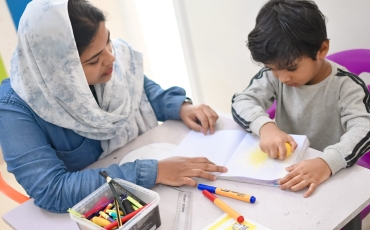
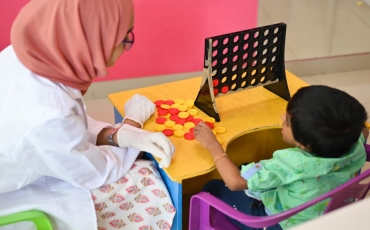
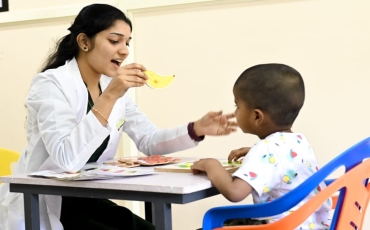
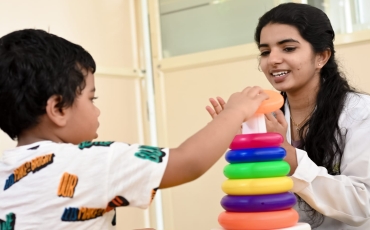
For younger children, therapy may be play-based. The therapist may use toys, picture cards, books, puzzles, or everyday activities to encourage communication.
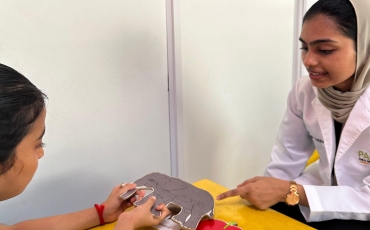
For older children, activities may involve structured conversations, language exercises, reading-related tasks, speech sound practice, or other activities based on their goals.
A typical session may include:
1. Warm-Up and Interaction
The therapist may begin by talking or playing with the child to encourage interaction and understand how they are communicating that day.
2. Goal-Based Activities
Activities are selected according to the child's individual therapy goals.
For example, one child may work on vocabulary while another may practise speech sounds or sentence formation.
3. Communication Practice
The child gets opportunities to use the skills during meaningful activities rather than simply memorizing words.
4. Parent Guidance
Parents may receive suggestions about how to continue practising communication skills during everyday routines at home.
What Skills Can Speech Therapy Improve?
Speech Sounds
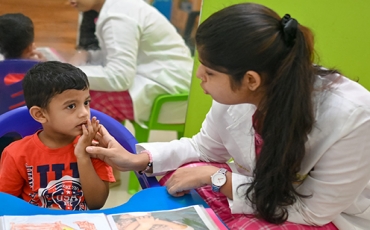
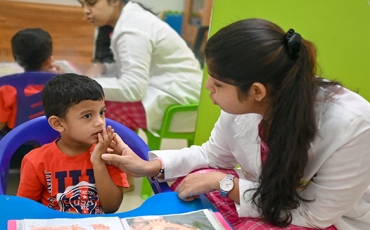
Some children have difficulty producing certain sounds clearly. Therapy may include activities that help the child learn and practise appropriate speech sound production.
Language Understanding
Children may need support with understanding words, questions, instructions, or concepts.
Expressive Language
Therapy can help children develop vocabulary, combine words, construct sentences, and communicate their thoughts more effectively.
Social Communication
Some children may need support with turn-taking, initiating interactions, maintaining conversations, or understanding aspects of social communication.
Fluency
Children experiencing stammering or other fluency difficulties may receive assessment and appropriate strategies based on their individual needs.
Is Speech Therapy Only About Talking?
No.
Communication is much broader than spoken words.
A child may communicate through:
- Words
- Sentences
- Gestures
- Facial expressions
- Signs
- Pictures
- Communication systems
- Other forms of augmentative and alternative communication
The goal is to help the child communicate effectively in everyday situations.
For some children, supporting functional communication may be an important part of therapy alongside developing spoken language.
How Long Does a Child Need Speech Therapy?
There is no fixed duration that applies to every child.
The length and frequency of therapy can depend on:
- The child's communication needs
- Age and developmental level
- Therapy goals
- Progress over time
- Participation in therapy
- Support at home
- Other developmental factors
Therapy goals can also change as the child develops new skills.
Regular review helps parents and therapists understand progress and decide whether goals or strategies need to be adjusted.
What Can Parents Do at Home?
Parents can play an important role in supporting communication outside therapy sessions.
Talk During Everyday Activities
Use daily routines such as meals, bathing, shopping, and travel as opportunities to talk and introduce language.
Follow Your Child's Interests
If your child enjoys cars, animals, drawing, or building blocks, use those interests to encourage interaction and introduce new words.
Expand What Your Child Says
If your child says “car,” you can naturally model “red car” or “the car is going.”
Read Together
Picture books provide opportunities to discuss objects, actions, characters, and events.
Give Your Child Time
Allow your child enough time to respond instead of immediately answering on their behalf.
Keep Communication Natural
The goal is to make communication part of everyday life rather than turning every interaction into a practice session.
When Should Parents Consider Speech Therapy?
Parents may consider seeking professional guidance if they notice ongoing difficulties with their child's:
- Speech clarity
- Vocabulary
- Sentence development
- Understanding of language
- Ability to express needs
- Social communication
- Fluency
- Overall communication progress
If you are unsure whether your child would benefit from therapy, a professional assessment can help clarify the situation.
Parents looking for a Speech Therapy Center in Calicut can seek an assessment from a qualified speech-language professional who can understand the child's individual communication needs.
Speech Therapy Should Be Individualized
Every child communicates differently.
Two children with similar concerns may have different strengths, challenges, and therapy goals. Therefore, pediatric speech therapy should be planned according to the individual child rather than following exactly the same activities for everyone.
A child may need support with one specific speech sound, while another may need broader support for language and communication.
An individualized approach allows therapy to focus on skills that are meaningful for the child's everyday life.
Frequently Asked Questions
What age can a child start speech therapy?
Children can receive speech-language support when there are concerns about their communication development. There is no need to wait for a particular age if parents have ongoing concerns.
How often should a child attend speech therapy?
The frequency depends on the child's individual needs, goals, and progress. The therapist can recommend an appropriate schedule after assessment.
Is speech therapy painful?
No. Speech therapy is generally conducted through communication activities, interaction, play, exercises, and structured practice appropriate to the child's needs.
Can parents participate in speech therapy?
Yes. Parent involvement can be valuable because communication skills need opportunities to be used outside the therapy room. Therapists may provide parents with strategies and activities to use at home.
Will every child need long-term speech therapy?
Not necessarily. The duration depends on the child's needs and progress. Therapy plans can be reviewed and adjusted over time.
Conclusion
Speech therapy for children in Calicut is more than repeating words or practising pronunciation. It is an individualized process that can support speech, language, social communication, fluency, and functional communication skills.
Understanding what happens during therapy can help parents feel more prepared and involved in their child's communication journey.
If you have concerns about your child's communication development, a professional speech and language assessment can help you understand their current skills and determine what support may be appropriate.