When Should You Consult a Child Development Centre in Kozhikode?
Introduction
Every child develops at their own pace, and small differences in development are common. However, persistent delays or difficulties in communication, movement, learning, behaviour, or daily activities should not be ignored. Early assessment can help identify developmental concerns and ensure timely intervention.
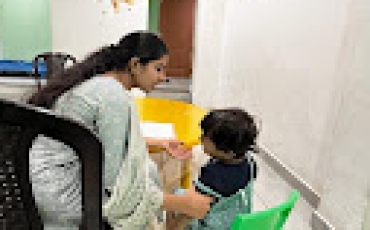
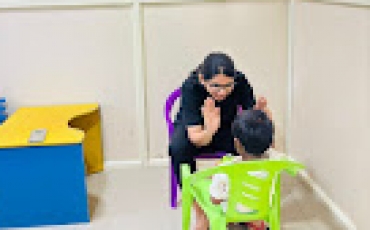
A Child Development Centre in Kozhikode can provide comprehensive developmental assessment and guidance for children who may need additional support. Early identification of concerns can help parents understand their child's needs and choose the right intervention.
Signs That Your Child May Need a Developmental Assessment
1. Delayed Developmental Milestones
If your child is delayed in achieving important motor milestones such as head control, rolling, sitting, crawling, standing, or walking, it may be helpful to seek a professional developmental assessment.
A developmental evaluation can help identify the areas where your child may need additional support.
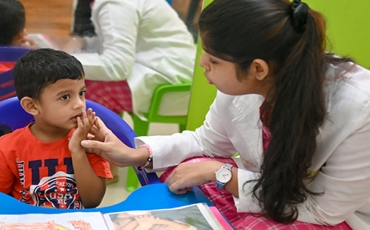
2. Speech and Language Delay
Speech and language skills are important parts of a child's development. Consider seeking an assessment if your child:
- Is not using age-appropriate words
- Has difficulty understanding simple instructions
- Has difficulty expressing their needs
- Is not communicating effectively for their age
- Has difficulty participating in conversations or interactions
Early assessment can help determine whether speech and language therapy may be beneficial.
3. Social and Communication Difficulties
Some children may experience difficulties with social interaction and communication. Signs may include:
- Limited or inconsistent eye contact
- Reduced interaction with other children
- Difficulty responding when their name is called
- Difficulty engaging in age-appropriate play
- Limited use of gestures or facial expressions
- Difficulty sharing attention or interests with others
These concerns may require a developmental assessment to understand the child's individual needs.
4. Behavioural Concerns
Behavioural difficulties can sometimes interfere with a child's learning, relationships, and everyday activities. Parents may consider an assessment if their child frequently experiences:
- Tantrums
- Hyperactivity
- Poor attention
- Aggressive behaviour
- Repetitive behaviours
- Difficulty following routines
- Difficulty coping with changes
A professional assessment can help identify possible factors contributing to these behaviours and guide appropriate support.
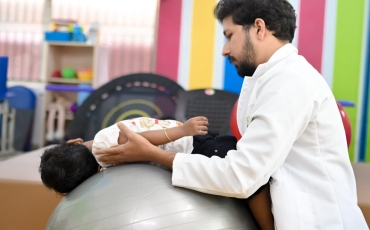
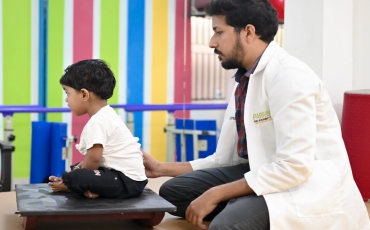
5. Movement and Physical Difficulties
Movement difficulties may affect a child's ability to participate in everyday activities. Signs that may require assessment include:
- Frequent falls
- Poor balance
- Difficulty running or climbing stairs
- Abnormal posture
- Toe walking
- Stiffness
- Floppiness or low muscle tone
- Difficulty with age-appropriate physical activities
A pediatric physiotherapy assessment may be recommended depending on the child's needs.
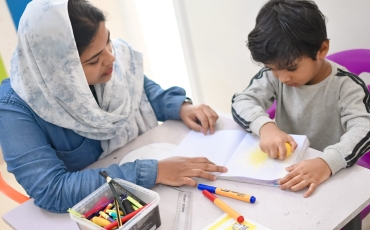
6. Learning and Academic Difficulties
Some children may experience difficulties with early learning or academic skills. These may include difficulty with:
- Following instructions
- Recognizing letters and numbers
- Identifying colours and shapes
- Reading
- Writing
- Attention during learning activities
- Developing age-appropriate pre-academic skills
Early assessment can help identify areas that require additional educational or therapeutic support.
7. Difficulties With Daily Living Skills
Children gradually learn to become independent in everyday activities. Some children may need additional support with:
- Feeding
- Dressing
- Toileting
- Brushing teeth
- Grooming
- Using utensils
- Handwriting
- Other age-appropriate self-care activities
Occupational therapy can help children develop the skills needed to participate more independently in daily routines.
8. Sensory Difficulties
Some children may be unusually sensitive or under-responsive to sensory information. This may include reactions to:
- Sounds
- Bright lights
- Different textures
- Touch
- Movement
- Certain food textures
- Clothing materials
Sensory difficulties can sometimes affect a child's participation in eating, dressing, playing, learning, and other daily activities. A professional assessment can help identify appropriate strategies and interventions.
9. Loss of Previously Acquired Skills
If a child suddenly loses skills that they had already developed, such as speaking, walking, playing, or interacting socially, parents should seek professional medical advice promptly.
Loss of previously acquired developmental skills should be assessed carefully to understand the underlying cause and determine the appropriate next steps.
Why Early Intervention Matters
Early childhood is an important period for development. Timely assessment and appropriate intervention can support different areas of a child's development, including:
- Communication
- Speech and language
- Movement
- Learning
- Behaviour
- Social interaction
- Sensory processing
- Daily living skills
A Child Development Centre in Kozhikode can bring together different professionals when required, helping parents understand their child's developmental needs and plan appropriate interventions.
What Happens During a Developmental Assessment?
A developmental assessment may involve reviewing the child's developmental history, observing their skills and behaviour, and assessing areas such as communication, motor development, learning, social interaction, sensory processing, and daily living skills.
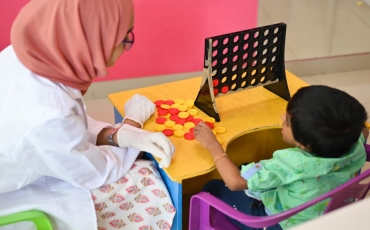
Depending on the child's concerns, professionals such as developmental specialists, speech-language therapists, occupational therapists, physiotherapists, psychologists, or other healthcare professionals may be involved.
The assessment helps create an individualized plan based on the child's strengths, challenges, and developmental goals.
When Should Parents Seek Professional Support?
Parents do not need to wait until a delay becomes severe before seeking guidance. If you have ongoing concerns about your child's development, discussing them with a qualified professional can help provide clarity and reassurance.
Early support can be particularly important when multiple areas of development are affected or when a child is struggling to participate in everyday activities.
Child Development Centre in Kozhikode
If you are concerned about your child's speech, communication, movement, behaviour, learning, sensory responses, or daily living skills, a developmental assessment can help you understand their needs.
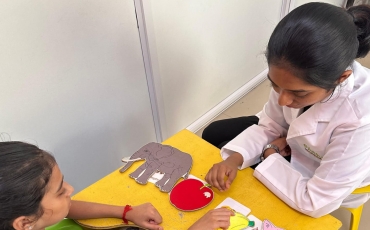
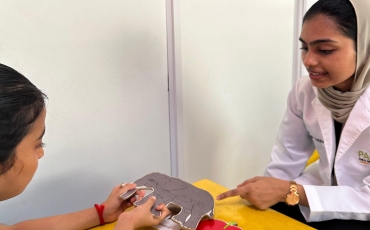
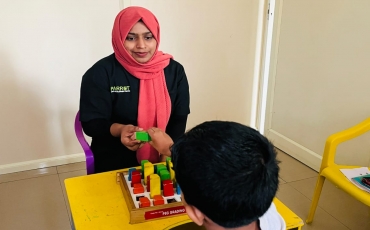
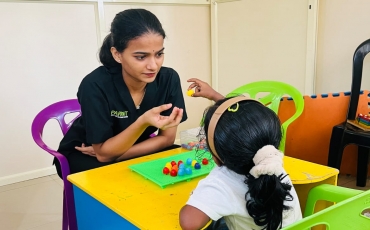
At Parrot Child Development Centre, Kozhikode (Calicut), children can receive individualized assessment and therapy support based on their developmental needs. The multidisciplinary approach can help address different areas of child development and support children in reaching their potential.
Conclusion
Every child develops differently, but persistent developmental concerns should not be overlooked. Difficulties with speech, communication, movement, learning, behaviour, sensory processing, or daily living skills may indicate the need for professional assessment.
Consulting a Child Development Centre in Kozhikode can help parents understand their child's developmental needs and identify suitable support at the right time. Early assessment and intervention can make a meaningful difference in a child's development, independence, and participation in everyday life.