
Speech Delay vs Speech Disorder: What Is the Difference?
Parents often use the terms speech delay and speech disorder interchangeably. However, they do not always mean the same thing.
A child may appear to be behind other children in developing speech and language skills, but the underlying reason can vary. Some children may simply be developing certain communication skills later than expected, while others may have a specific speech or language disorder that requires professional support.
Understanding speech delay vs speech disorder can help parents recognize when it may be useful to seek a professional assessment.
What Is Speech Delay?
Speech delay generally refers to a situation where a child's speech or language skills are developing more slowly than expected for their age.
A child with a speech or language delay may eventually develop these skills, but at a slower pace than expected.
For example, a child may:
- Use fewer words than expected for their age
- Start combining words later
- Have difficulty expressing needs using words
- Take longer to develop sentences
- Have difficulty communicating ideas compared with other children of the same age
Speech delay can involve speech, language, or both. A professional assessment is important because the term "speech delay" by itself does not explain why the child is having difficulty.
What Is a Speech Disorder?
A speech disorder refers to a more specific difficulty affecting speech production or communication.
Speech disorders can involve different areas, including:
- Speech sound production
- Articulation
- Phonological patterns
- Motor speech
- Fluency
- Voice
For example, a child may have difficulty producing particular speech sounds even though they understand language well and have an age-appropriate vocabulary.
Another child may have difficulty with the coordination and planning required for speech production.
The type of speech difficulty needs to be identified through assessment rather than assumed from a child's pronunciation alone.
Speech Delay vs Speech Disorder: The Main Difference
The simplest way to understand the difference is to look at what is affected and how the difficulty is developing.
Speech Delay
With a delay, a child's development may be following a typical sequence but occurring later than expected.
The child may gradually acquire the expected skills as development progresses.
Speech Disorder
A disorder involves a persistent difficulty with speech production or communication that may require targeted intervention.
The difficulty may not simply resolve by waiting for the child to "catch up."
However, these terms should not be used as a diagnosis without an appropriate assessment. A qualified speech-language pathologist can determine what type of communication difficulty a child may have.
Speech vs Language: Another Important Difference
Another common source of confusion is the difference between speech and language.
Speech
Speech refers to how we produce sounds and words.
It includes the coordination of the structures and movements involved in speaking.
A child may have difficulty producing certain sounds even when they understand language well.
Language
Language involves understanding and using words, sentences, and communication systems.
A child with a language difficulty may have problems understanding what others say or expressing their thoughts.
For example, a child may struggle to:
- Understand instructions
- Learn and use new words
- Combine words into sentences
- Answer questions
- Tell a story
- Explain what they need
A child can have speech difficulties, language difficulties, or both.
Examples of Speech Delay
Speech or language development can vary from child to child.
A child with delayed communication may:
- Begin using meaningful words later than expected
- Have a smaller vocabulary than expected
- Take longer to combine words
- Have difficulty expressing needs
- Use gestures more often than words
- Have difficulty participating in age-appropriate conversations
These signs do not automatically mean that a child has a disorder.
The child's overall developmental history and communication skills need to be considered.
Examples of Speech Disorders
Speech disorders can appear in different ways.
Speech Sound Difficulties
A child may consistently substitute, omit, or have difficulty producing particular speech sounds.
This can affect how clearly the child is understood.
Articulation Difficulties
A child may have difficulty producing particular sounds accurately.
These difficulties may be noticeable during words and conversations.
Fluency Difficulties
Some children experience interruptions in the smooth flow of speech, such as repetitions, prolongations, or blocks.
Persistent concerns about fluency can be discussed with a speech-language pathologist.
Motor Speech Difficulties
Some children have difficulty planning, coordinating, or executing the movements needed for speech.
These difficulties require careful professional assessment because different motor speech conditions can present differently.
Can a Speech Delay Become a Speech Disorder?
A speech delay and a speech disorder are not simply two stages of the same condition.
Some children with delayed speech may catch up with development, while others may continue to experience communication difficulties that require intervention.
This is why it is not possible to predict the outcome simply by waiting.
A professional assessment can provide a clearer picture of the child's current communication abilities and identify areas that may need support.
Does Every Child With Speech Delay Need Speech Therapy?
Not necessarily.
The appropriate next step depends on the child's individual communication profile.
After an assessment, a professional may recommend:
- Monitoring development
- Parent-guided activities
- Speech and language therapy
- Further assessment
- Hearing evaluation when indicated
- Referral to another professional when additional developmental concerns are present
The goal is not to place every child in therapy. The goal is to understand the child's needs and provide appropriate support.
When Should Parents Seek an Assessment?
Parents may consider a professional speech and language assessment when:
- Their child's communication development is causing concern
- The child is difficult to understand
- Speech sound difficulties persist
- The child has difficulty understanding language
- The child has difficulty expressing needs or ideas
- The child frequently becomes frustrated while communicating
- Teachers or caregivers have raised concerns
- There are other developmental concerns alongside communication difficulties
You do not necessarily need to wait until a problem becomes severe before asking for professional advice.
An assessment can help clarify whether the child's communication skills are developing as expected.
What Happens During a Speech and Language Assessment?
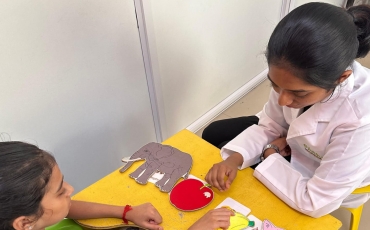
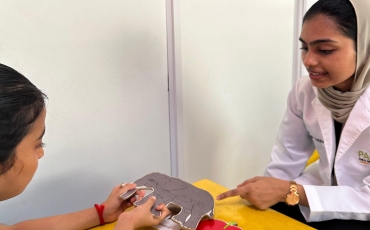
A speech-language pathologist may assess several areas depending on the child's age and concerns.
This can include:
- Understanding language
- Vocabulary
- Sentence development
- Speech sound production
- Speech intelligibility
- Fluency
- Voice
- Social communication
- Communication during play and interaction
The professional may also ask parents about developmental history, communication at home, and the languages the child uses.
Hearing may also need to be considered when there are concerns about hearing or responses to sound.
The assessment helps distinguish between different types of communication difficulties and guides decisions about appropriate support.
Why Early Assessment Can Be Useful
Parents sometimes worry that seeking an assessment means their child will automatically need long-term therapy.
That is not necessarily the case.
An assessment is primarily a way to understand the child's strengths and difficulties.
If support is recommended, identifying the area of difficulty can help the therapist select an approach that is appropriate for the child's individual needs.
Early guidance can also help parents understand how to support communication during everyday activities.
How Can Parents Support Communication at Home?
Parents can encourage communication through simple daily interactions.
Talk During Everyday Activities
Describe what your child is doing during meals, play, dressing, bathing, and other routines.
Read Together
Look at books and talk about pictures, characters, actions, and events.
Give Your Child Time to Respond
Allow your child enough time to process what you have said and respond.
Model Language Naturally
If your child uses a short phrase, you can naturally expand it rather than repeatedly asking them to repeat it.
Encourage Communication
Give your child opportunities to request, comment, ask questions, and share experiences.
If your child is receiving speech therapy, follow the specific strategies recommended by their speech-language professional.
Speech Delay vs Speech Disorder: Why Professional Assessment Matters
Searching online can help parents learn about speech and language development, but online information cannot determine whether an individual child has a speech delay or a speech disorder.
Children develop at different rates, and communication should be considered in the context of age, development, language background, hearing, and other individual factors.
A qualified speech-language pathologist can evaluate these factors and explain what the child's communication profile means.
Speech Therapy in Kozhikode
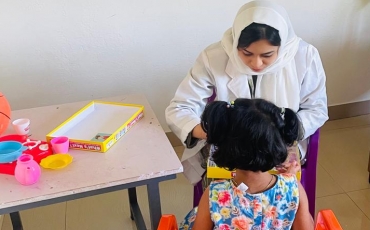
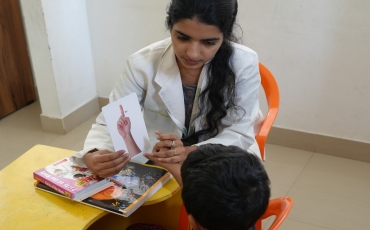
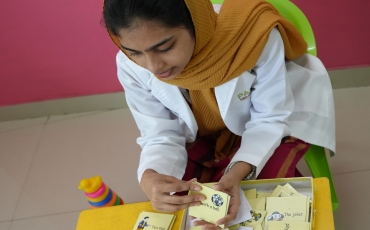
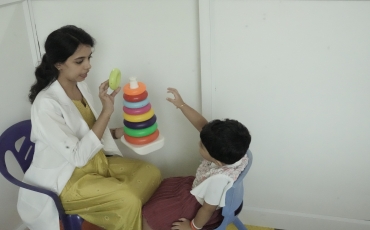
For parents looking for Speech Therapy in Kozhikode, a professional assessment can help identify whether a child's difficulties involve speech sounds, language, fluency, voice, social communication, or another area of communication.
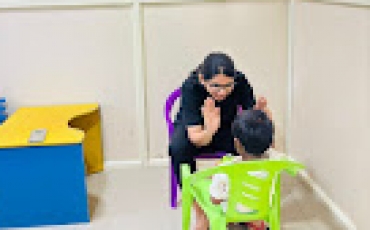
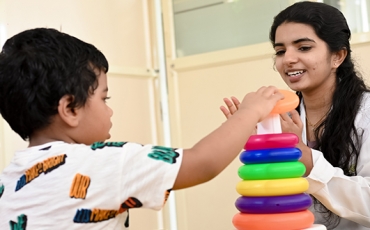
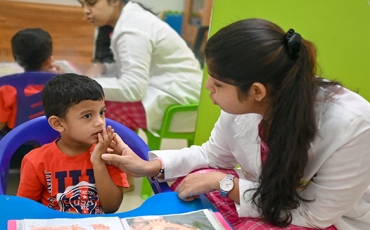
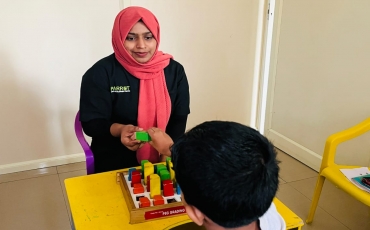
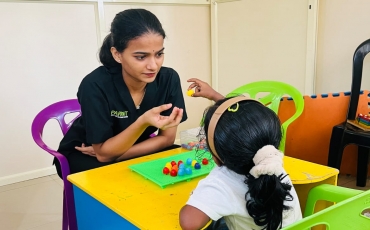
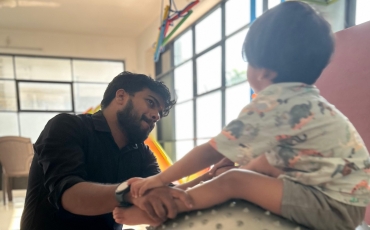
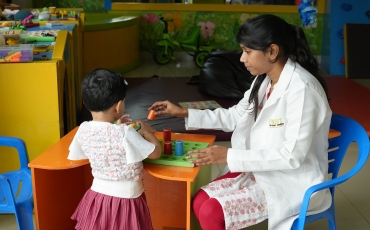
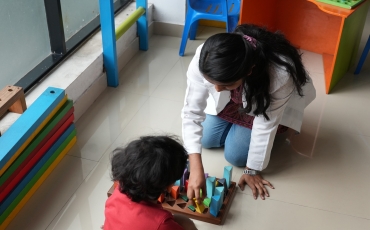
At Parrot Child Development Centre, speech and language professionals work with children with different communication needs.
The Speech Therapy service includes assessment and support for areas such as speech sound production, articulation, receptive and expressive language, social interaction, fluency, voice, and related communication skills.
Parents can discuss their concerns with the professional team and understand whether their child may benefit from speech therapy or other appropriate support.
Frequently Asked Questions
Is speech delay the same as speech disorder?
No. Speech delay generally describes communication development that is occurring later than expected, while a speech disorder refers to a specific difficulty affecting speech production or another aspect of communication.
Can a child have both speech delay and a speech disorder?
Yes. A child can have delayed language development along with speech sound or other communication difficulties. A professional assessment can help identify the different areas involved.
Does speech delay always require therapy?
No. The appropriate approach depends on the child's individual development and assessment findings. Some children may benefit from monitoring or parent support, while others may benefit from speech therapy.
What is the difference between speech and language?
Speech refers mainly to producing spoken sounds, while language involves understanding and using words, sentences, and other forms of communication.
When should I consult a child speech therapist?
If you have ongoing concerns about your child's speech, language, communication, or fluency, you can consult a qualified speech-language professional for an assessment.
Conclusion
Understanding speech delay vs speech disorder can help parents make sense of their child's communication difficulties.
A child who is developing speech later than expected may need monitoring or support, while another child may have a specific speech or language difficulty requiring targeted intervention. These situations cannot always be distinguished simply by observing a few words or pronunciation errors.
If you are concerned about your child's communication, a professional assessment can provide a clearer understanding of their strengths, difficulties, and possible next steps.
For families looking for Speech Therapy in Kozhikode, Parrot Child Development Centre provides individualized speech and language assessment and support for children with different communication needs.