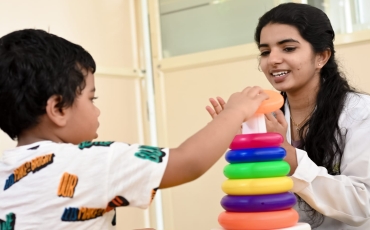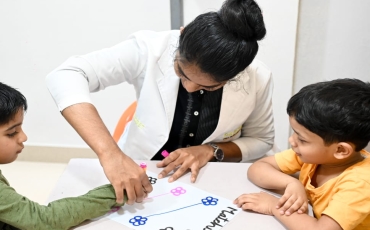

Speech Therapy for Late Talkers: When Parents Should Seek Help
Every child develops communication skills at their own pace. Some children start using words early, while others take a little longer to begin talking. However, when a child is significantly behind expected communication milestones, parents may wonder whether they should wait or seek professional guidance.
A child who is slower to start talking is sometimes described as a late talker. While some late talkers catch up naturally, others may have an underlying speech, language, hearing, developmental, or communication difficulty that needs attention.
Understanding when to seek help can make it easier for parents to support their child's communication development.
What Is a Late Talker?
A late talker is a young child who has a smaller spoken vocabulary or is using fewer words than expected for their age, while other areas of development may be progressing relatively well.
Being a late talker does not automatically mean that a child has a disorder. Every child is different, and communication development can vary.
However, it is important to look at the child's overall communication, rather than counting words alone.
Parents and professionals may consider:
- How many words the child understands
- How many words the child uses
- Whether the child combines words
- Whether the child follows simple instructions
- How the child communicates wants and needs
- Whether the child uses gestures
- Whether the child responds to communication
- Whether the child interacts socially with others
A speech-language assessment can help identify whether the child is simply developing at a slower pace or may benefit from additional support.
Signs That a Child May Need Speech and Language Support
Parents may consider speaking with a speech-language pathologist if their child:
- Uses very few words for their age
- Is not progressing in vocabulary
- Has difficulty understanding simple instructions
- Does not use words or gestures to communicate needs
- Has difficulty combining words when expected
- Is difficult for familiar people to understand
- Frequently becomes frustrated when trying to communicate
- Has lost previously acquired communication skills
- Shows concerns with social communication or interaction
One sign alone does not necessarily indicate a disorder. A professional assessment considers the child's complete developmental and communication profile.
Should Parents Wait for a Late Talker to Catch Up?
This is one of the most common questions parents ask.
Some children who talk later may eventually develop age-appropriate language skills. However, it can be difficult for parents to determine on their own which children will catch up and which children may need additional support.
Instead of simply waiting, parents can discuss their concerns with a speech-language pathologist.
Early assessment does not mean that a child will automatically need long-term therapy. It provides an opportunity to understand the child's communication abilities and identify appropriate next steps.
How Speech Therapy Can Help Late Talkers
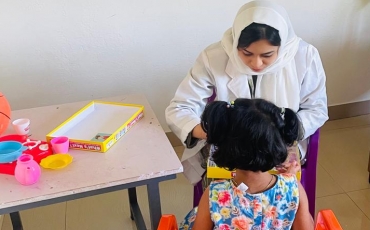
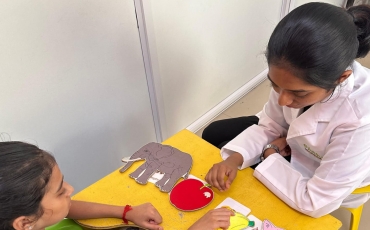
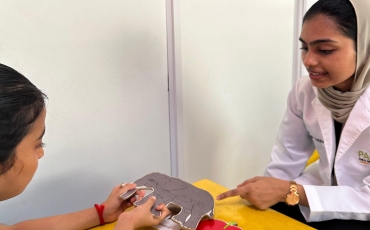
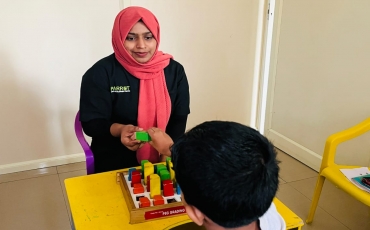
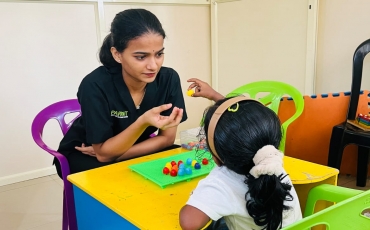
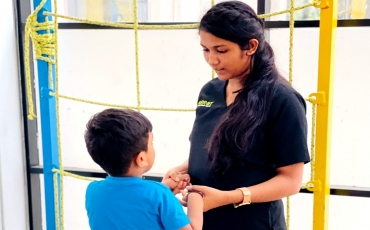
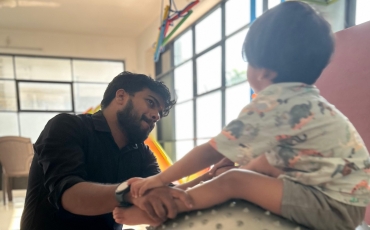
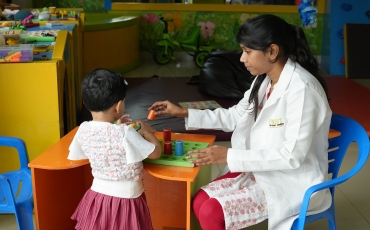
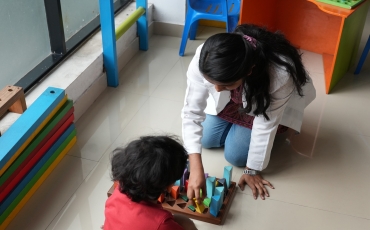
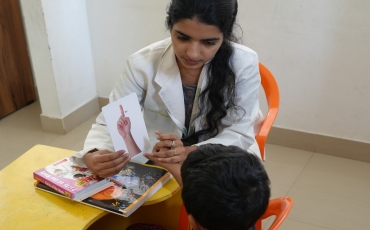
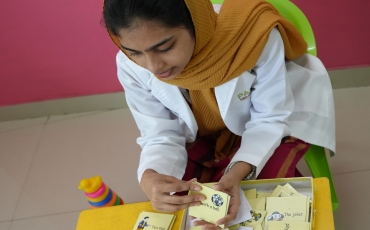
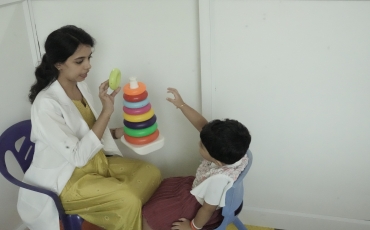
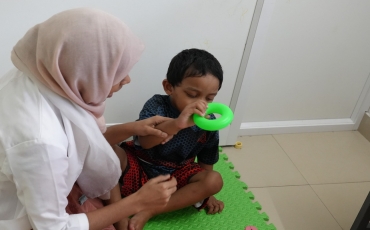
Speech therapy for late talkers focuses on the child's individual communication needs.
Depending on the assessment, therapy may work on:
1. Building Vocabulary
Children may be supported in learning and using new words related to people, objects, actions, places, and everyday activities.
2. Encouraging Functional Communication
The goal is not simply to make a child repeat words. Therapy can help children use communication meaningfully to:
- Request something
- Reject something
- Ask for help
- Make choices
- Comment
- Respond to others
- Share attention
3. Developing Understanding of Language
Some children have difficulty understanding spoken language even when they can say a few words.
Therapy may support skills such as understanding:
- Simple instructions
- Questions
- Common words
- Actions
- Concepts
- Everyday conversations
4. Combining Words
As vocabulary develops, children may be encouraged to move from individual words toward meaningful combinations when developmentally appropriate.
For example:
“Ball” → “Want ball” → “I want ball.”
The exact progression varies from child to child.
5. Improving Social Communication
Communication is more than speaking.
Children may also need support with:
- Eye gaze
- Joint attention
- Turn-taking
- Responding to others
- Initiating interaction
- Using gestures
- Participating in simple conversations
What Happens During a Speech Therapy Assessment?
Before starting therapy, a speech-language pathologist may evaluate several areas of communication.
The assessment may include:
- Understanding of language
- Spoken language
- Vocabulary
- Speech production
- Social communication
- Play and interaction
- Communication attempts
- Parent concerns and developmental history
Hearing may also need to be considered because hearing difficulties can affect speech and language development.
Based on the findings, the therapist can explain whether the child would benefit from therapy, monitoring, home-based activities, or further evaluation.
Parents can learn more about the assessment process in our guide to Speech Therapy Assessment for Children.
How Parents Can Support a Late Talker at Home
Parents play an important role in everyday communication development.
Talk During Daily Activities
Use simple language while bathing, eating, dressing, travelling, or playing.
For example:
“Wash hands.”
“Open the box.”
“Red car.”
“More juice?”
Follow Your Child's Interests
If your child is playing with a car, talk about the car instead of trying to change the activity.
You can say:
“Car!”
“Red car.”
“Car is going.”
This creates natural opportunities for language learning.
Give Choices
Instead of immediately giving your child what they want, offer simple choices.
For example:
“Apple or banana?”
This encourages the child to communicate a preference.
Give Time to Respond
After asking a question or offering a choice, give your child enough time to respond.
Avoid immediately answering for them.
Use Repetition
Children often need to hear words many times before they begin using them independently.
Repeat useful words naturally throughout everyday activities.
When Should Parents Consult a Speech Therapist?
Parents do not need to wait until a child reaches a particular age if they have genuine concerns about communication.
Consider consulting a speech-language pathologist when:
- Your child's communication progress seems to have slowed
- Your child is using significantly fewer words than expected
- Your child struggles to understand language
- Communication difficulties are causing frustration
- Your child has lost previously developed communication skills
- You are concerned about your child's overall communication development
Early professional guidance can help parents understand what their child needs and how best to support communication development.
Speech Therapy for Children in Calicut
Parents looking for Speech Therapy for Children in Calicut can consider a professional assessment at a child development centre with qualified speech-language professionals.


6
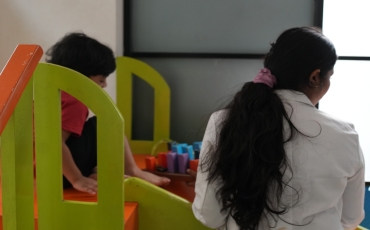
At Parrot Child Development Centre in Kozhikode, speech-language professionals work with children who have different speech, language, and communication needs. Assessment helps understand each child's individual strengths and areas requiring support before planning therapy.
Parents can explore the centre's Speech Therapy in Calicut services to understand how professional speech and language support can help their child.
Frequently Asked Questions
Is every late talker going to have a speech disorder?
No. Some children who start talking later may catch up with development. However, assessment can help identify children who may benefit from additional support.
Can speech therapy help a late-talking toddler?
Speech therapy can support children who have difficulties with speech, language, or communication. The type and amount of support depend on the child's individual assessment.
Should I wait until my child starts school?
Parents do not necessarily need to wait until school age if they have concerns. Discussing concerns with a speech-language pathologist can provide useful guidance earlier.
Does late talking always mean autism?
No. Late talking alone does not mean that a child has autism. Autism involves a broader pattern of developmental differences, including social communication and restricted or repetitive behaviours. A qualified professional should assess the child's overall development.
Can parents help a late talker at home?
Yes. Everyday activities such as talking, reading, playing, giving choices, following the child's interests, and allowing opportunities to respond can support communication development.
Conclusion
Being a late talker does not automatically mean that a child has a speech or language disorder. However, persistent concerns about communication should not simply be ignored.
A speech-language assessment can help parents understand their child's communication abilities and determine whether monitoring, home support, or speech therapy for late talkers may be appropriate.
For parents seeking Speech Therapy for Children in Calicut, professional guidance can provide a clearer understanding of their child's communication needs and the next steps for support.