
5 Signs Your Child May Benefit from Pediatric Occupational Therapy
Every child develops at their own pace. Some children may need additional support to develop the skills required for everyday activities, such as holding a pencil, getting dressed, playing with toys, or managing different sensory experiences. When these activities become consistently challenging, parents may wonder whether their child needs professional support.
Pediatric occupational therapy helps children develop functional skills that support their participation in daily routines, play, learning, and other age-appropriate activities. Understanding the signs that a child may benefit from occupational therapy can help parents decide when to seek professional guidance.
For families looking for Pediatric Occupational Therapy in Calicut, knowing what to look for is a useful first step towards supporting a child's development.
What Is Pediatric Occupational Therapy?
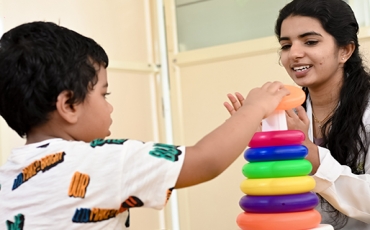
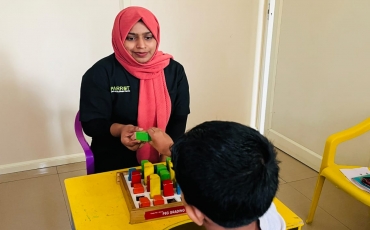
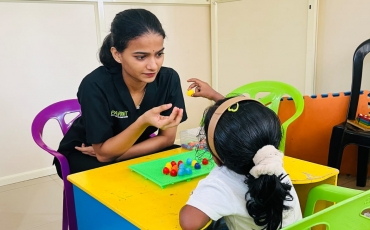
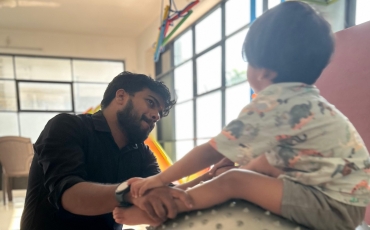
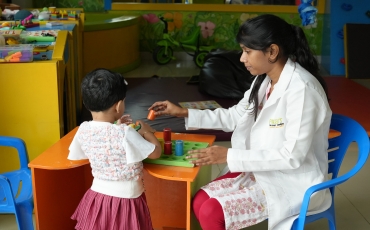
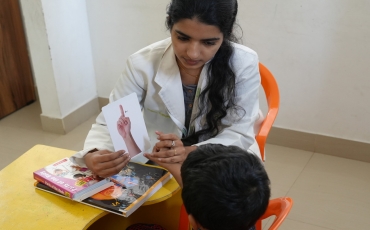
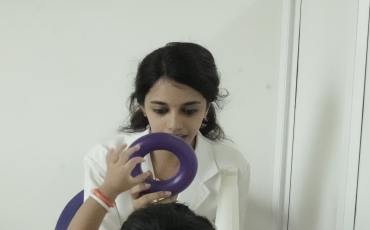
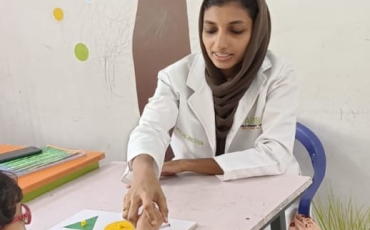
Pediatric occupational therapy focuses on helping children build the skills they need to participate more comfortably and independently in everyday life. Depending on the child's individual needs, therapy may address fine motor skills, hand-eye coordination, sensory processing, self-care activities, and other functional abilities.
Occupational therapists assess a child's strengths and challenges before recommending suitable activities and interventions. The approach is personalised because every child has different developmental needs.
Parents can learn more about the services offered by Parent Child Development Centre and explore the centre's Occupational Therapy Services.
1. Difficulty with Fine Motor Skills
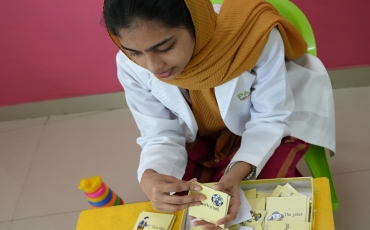
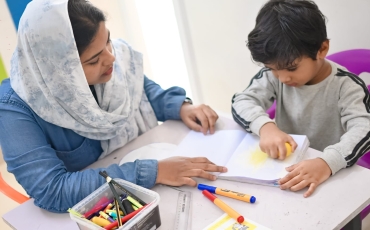
Fine motor skills involve the small muscles of the hands and fingers. Children use these skills for activities such as holding a pencil, turning pages, picking up small objects, using a spoon, and handling buttons or zippers.
Some children may find these tasks more challenging than expected for their age. For example, a child may struggle to hold crayons, use scissors safely, manipulate small toys, or manage simple classroom activities.
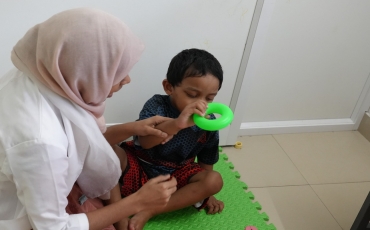
Occupational therapy may help children practise hand strength, finger control, coordination, and other skills needed for everyday tasks.
Parents should look at the child's overall development rather than comparing them with every other child. If difficulties persist or interfere with daily activities, a professional assessment may be helpful.
2. Challenges with Everyday Self-Care Activities
Everyday activities such as dressing, eating, washing hands, and putting on shoes are important parts of childhood development. Children gradually learn these skills through practice, encouragement, and support.
However, some children may experience ongoing difficulty with these routines. They may struggle to use cutlery, manage clothing fasteners, follow the steps involved in getting dressed, or complete age-appropriate self-care tasks.
These challenges can have different causes, including motor coordination difficulties, sensory sensitivities, or challenges with sequencing activities.
Occupational Therapy for Children in Calicut may help identify the skills a child finds difficult and support the development of greater independence through appropriate, goal-based activities.
3. Sensitivity to Certain Sounds, Textures, or Sensations
Children experience and respond to sensory information in different ways. Some may be particularly sensitive to loud sounds, certain clothing materials, messy play, food textures, or busy environments. Others may seek additional movement or sensory experiences.
Sensory preferences alone do not necessarily mean a child needs therapy. However, when sensory responses regularly affect eating, dressing, playing, learning, or participation in family and school routines, further guidance may be useful.
An occupational therapist can assess how sensory experiences affect the child's everyday functioning and recommend suitable strategies based on the child's needs.
The aim is to help the child participate more comfortably in meaningful activities, not to force them to tolerate every sensation.
4. Difficulty with Balance, Coordination, or Play Activities
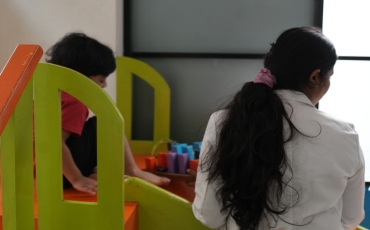
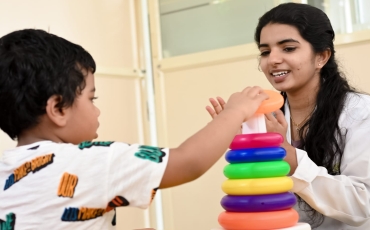
Play gives children opportunities to practise movement, explore their surroundings, solve problems, and interact with others.
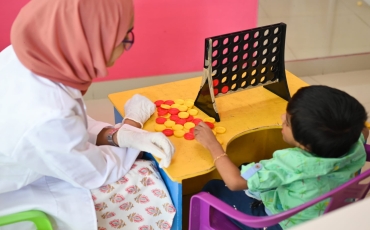
Some children may find activities involving balance, coordinated movements, catching a ball, climbing playground equipment, or using both hands together challenging. They may also struggle with activities that require several movements to be coordinated.
These difficulties can have different explanations, and not every child who avoids a particular activity needs occupational therapy.
When movement or coordination challenges regularly interfere with play, school participation, or daily routines, an assessment can help identify whether additional support would be beneficial.
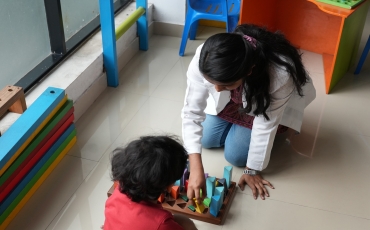
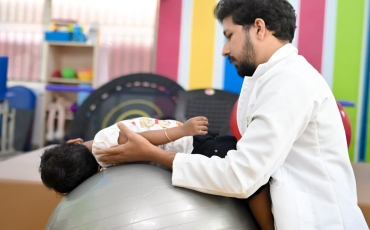
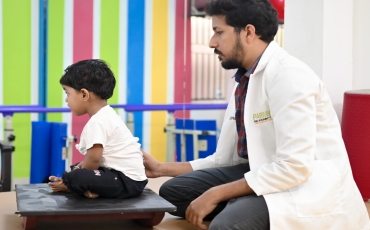
Depending on the assessment findings, occupational therapy activities may focus on coordination, motor planning, balance-related functional skills, and participation in age-appropriate tasks.
5. Difficulty Participating in Age-Appropriate Activities
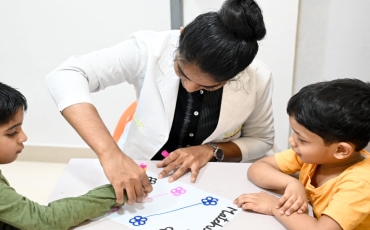
Children use several skills together when completing everyday activities. For example, a classroom task may require attention, hand control, following instructions, organising materials, and completing steps in sequence.
A child who regularly struggles with these activities may need support to understand which skills are making participation difficult.
Parents may notice challenges during play, drawing, craft activities, classroom routines, or tasks that require following multiple steps. These observations do not automatically indicate a developmental condition, but persistent difficulties may warrant discussion with a qualified professional.
A child-focused occupational therapy assessment can help identify specific areas of difficulty and establish practical goals that support the child's participation at home, school, and in the community.
How Can Occupational Therapy Help Children?
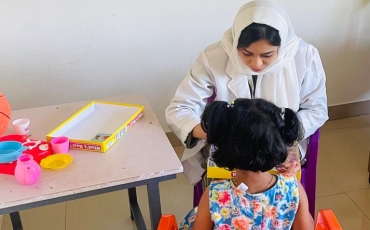
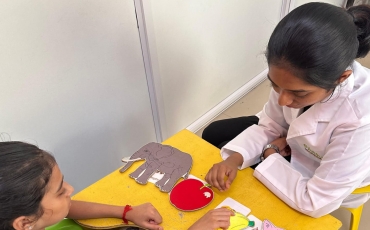
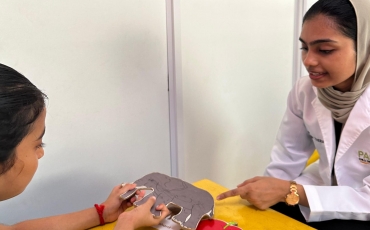
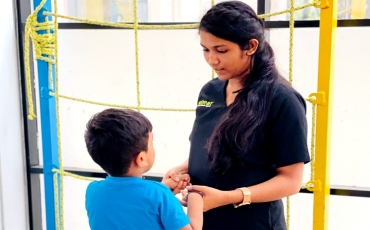
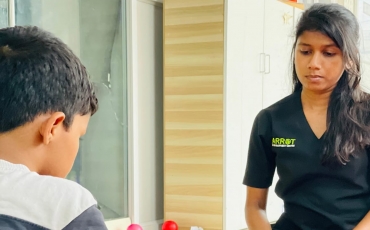
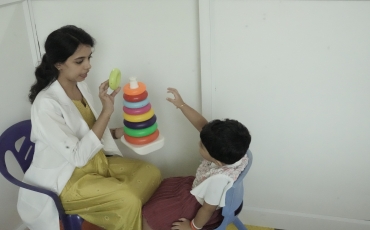
Occupational therapy is tailored to each child's assessed needs. Depending on the goals identified, sessions may include structured play, fine motor activities, coordination tasks, self-care practice, or strategies to support participation in everyday routines.
The main goals may include:
-
Developing fine motor skills needed for writing, drawing, and handling objects.
-
Supporting independence in daily self-care activities.
-
Improving functional coordination and participation in play.
-
Identifying strategies for managing sensory-related challenges.
-
Helping children practise skills needed for home and school routines.
-
Guiding parents on ways to support skill development through everyday activities.
Progress varies from child to child. A qualified therapist can explain the recommended approach, discuss realistic goals, and review progress over time.
When Should Parents Seek Professional Guidance?
Consider seeking professional guidance if your child's difficulties are persistent, affect everyday participation, cause significant frustration, or seem to be interfering with age-appropriate activities.
You do not need to wait for difficulties to become severe before asking questions. A professional assessment can help clarify your child's strengths, identify areas that may need support, and determine whether occupational therapy or another form of support is appropriate.
If you are looking for a Child Occupational Therapist in Calicut, choose a qualified professional who assesses the child's individual needs and explains the proposed therapy goals clearly.
Pediatric Occupational Therapy in Calicut
Finding appropriate developmental support begins with understanding your child's needs. Occupational therapy may be helpful for children who experience difficulties with fine motor skills, self-care, sensory experiences, coordination, or participation in daily activities.
At Parent Child Development Centre, parents can enquire about available developmental support and the assessment process to understand which services may be suitable for their child.
Visit Parent Child Development Centre to learn more about the centre, or explore the Occupational Therapy service page for further information.
Every child develops differently. With appropriate assessment, individualised support, and collaboration between families and professionals, children can work towards greater participation and independence in their everyday lives.
Frequently Asked Questions
1. What is occupational therapy for children?
Pediatric occupational therapy helps children develop functional skills needed for everyday activities, including self-care, play, learning, fine motor tasks, and participation in daily routines.
2. At what age can a child receive occupational therapy?
The appropriate age depends on the child's needs and the concerns identified by their parents or healthcare professionals. A qualified therapist can advise whether an assessment is suitable for the child's age and developmental stage.
3. Does every child with sensory sensitivities need occupational therapy?
No. Sensory preferences and sensitivities vary among children. Professional guidance may be useful when these responses consistently interfere with daily activities, learning, play, or family routines.
4. How do I know whether my child needs occupational therapy?
If your child regularly struggles with fine motor tasks, self-care, coordination, sensory experiences, or other everyday activities, consider discussing your concerns with a qualified professional. An assessment can help determine the appropriate next steps.
5. Where can I enquire about pediatric occupational therapy in Calicut?
Parents can visit the Parent Child Development Centre website to learn more about the centre and enquire about available occupational therapy services.
Give your child the support they need to participate, learn, and grow.