Pediatric Speech Therapy in Kerala: A Parent’s Guide to Speech and Language Support
Every child develops communication skills at their own pace. Some children begin speaking early and quickly develop sentences, while others may take longer to use words, understand language, pronounce sounds clearly, or communicate their needs.
When parents notice that their child is having difficulty with speech or communication, one of the first questions they may have is whether speech therapy is needed.
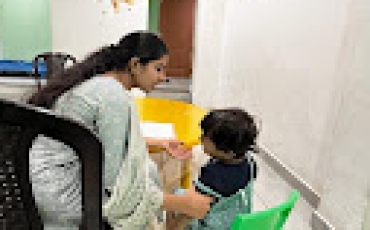
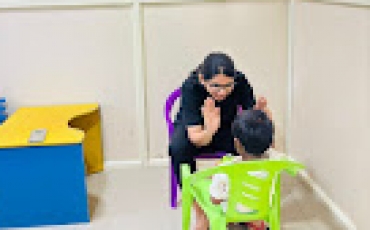
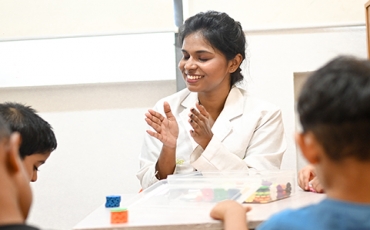
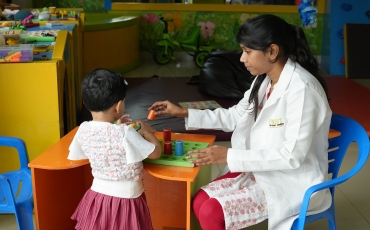
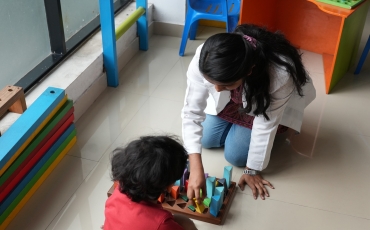
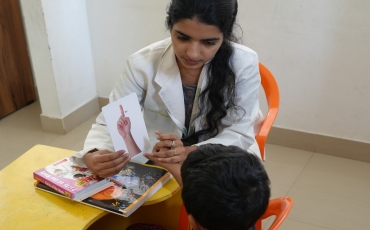
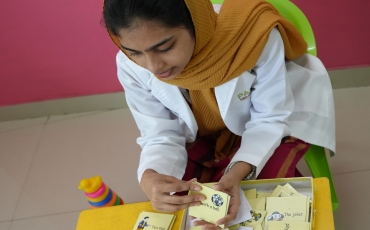
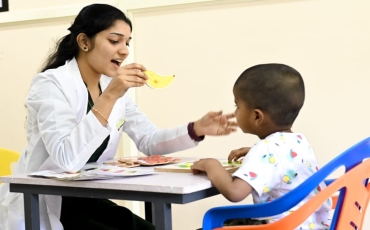
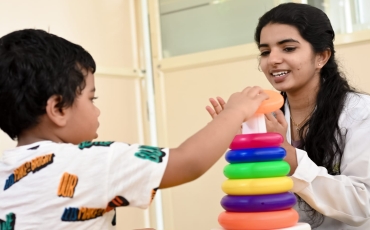
Pediatric speech therapy in Kerala provides professional support for children who experience difficulties with speech, language, communication, fluency, voice, or related developmental skills. A speech-language professional can assess the child's individual abilities and help parents understand what kind of support may be appropriate.
What Is Pediatric Speech Therapy?
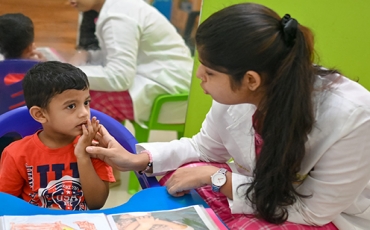
Pediatric speech therapy is a specialised service designed to support children's speech, language, communication, and related skills.
Speech therapy is not limited to children who are not talking. It can also support children who:
-
Have difficulty pronouncing certain sounds
-
Have limited vocabulary
-
Struggle to combine words into sentences
-
Have difficulty understanding language
-
Find it difficult to express their thoughts or needs
-
Have unclear speech
-
Experience stammering or fluency difficulties
-
Have difficulties with social communication
-
Have communication challenges associated with developmental conditions
The exact focus of therapy depends on the child's age, developmental profile, communication abilities, and individual needs.
When Might a Child Need Speech Therapy?
Parents may consider seeking professional advice when they notice persistent concerns about their child's communication.
Some children may use fewer words than expected for their age. Others may speak but have difficulty making themselves understood. Some children may understand what is being said but struggle to express their thoughts.
Possible signs that may deserve further evaluation include:
-
Limited use of words
-
Difficulty combining words
-
Difficulty understanding simple instructions
-
Speech that is difficult for others to understand
-
Persistent difficulty producing certain speech sounds
-
Difficulty answering questions
-
Trouble expressing wants, needs, or ideas
-
Repeating sounds or words frequently
-
Stammering that causes concern
-
Difficulty participating in conversations
-
Limited social communication
-
Loss of previously acquired communication skills
A single difference in development does not automatically mean that a child needs therapy. A professional assessment can help determine whether the child's communication development requires additional support.
Common Speech and Language Difficulties in Children
Children can experience different types of communication difficulties. Understanding the difference can help parents seek the right type of support.
Speech Sound Difficulties
Some children have difficulty producing particular sounds clearly. Their speech may therefore be difficult for parents, teachers, or other children to understand.
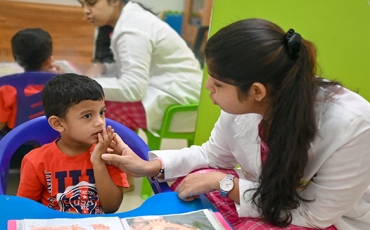
Speech-language therapy may focus on helping the child develop more accurate speech sound production and improve overall speech clarity.
Language Difficulties
Language involves understanding and using words, sentences, concepts, and communication.
A child may have difficulty:
-
Understanding what others say
-
Learning new words
-
Combining words into sentences
-
Describing events
-
Answering questions
-
Following verbal instructions
-
Expressing thoughts and ideas
Speech therapy can address both receptive language, which involves understanding language, and expressive language, which involves using language to communicate.
Fluency Difficulties
Some children experience disruptions in the flow of speech, including repetitions, prolongations, or blocks.
If parents are concerned about a child's fluency or the child is becoming frustrated or avoiding communication, a speech-language professional can assess the pattern and provide appropriate guidance.
Social Communication Difficulties
Communication is more than producing words.
Children also need to learn how to:
-
Take turns in conversations
-
Respond to others
-
Start interactions
-
Maintain a topic
-
Understand social cues
-
Use language appropriately in different situations
Some children may benefit from support focused on these social communication skills.
What Happens During a Speech and Language Assessment?
Before deciding what therapy a child needs, it is important to understand the child's communication profile.
A speech and language assessment may consider areas such as:
-
Speech sound production
-
Receptive language
-
Expressive language
-
Vocabulary
-
Sentence development
-
Understanding of instructions
-
Fluency
-
Voice
-
Social communication
-
Functional communication
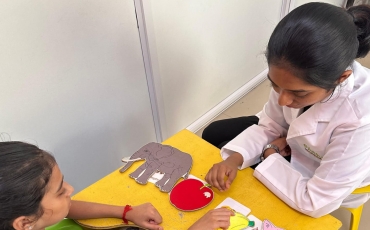
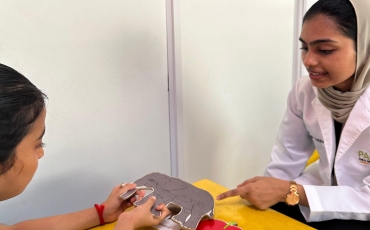
The assessment process can also include information from parents, observations of the child's communication, and age-appropriate assessment activities.
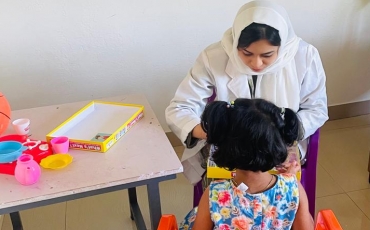
At Parrot Child Development Centre, speech and language assessment is used to understand a child's individual communication strengths and areas where support may be needed.
The goal is not simply to count the number of words a child uses. Communication needs to be considered as a whole.
Why Individualised Speech Therapy Matters
Children do not all experience speech and language difficulties in the same way.
Two children of the same age may have completely different communication profiles. One child may need support with pronunciation, while another may need help with vocabulary and sentence development.
For this reason, therapy goals should be based on the child's individual needs.
Depending on the child's profile, therapy may focus on:
-
Speech clarity
-
Articulation
-
Vocabulary development
-
Sentence formation
-
Understanding language
-
Functional communication
-
Fluency
-
Voice
-
Social communication
-
Communication strategies for everyday situations
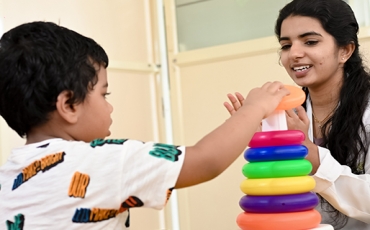
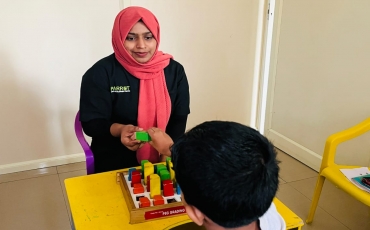
A child-friendly approach can also make therapy sessions more comfortable and meaningful for young children.
Speech Therapy for Children With Developmental Conditions
Speech and communication difficulties can occur on their own or alongside developmental conditions.
Some children receiving developmental support may also have communication difficulties associated with:
-
Autism spectrum disorder
-
Developmental delay
-
Intellectual disability
-
ADHD
-
Cerebral palsy
-
Hearing difficulties
-
Learning difficulties
-
Other developmental or neurological conditions
The type and level of communication support required can vary considerably between children.
A multidisciplinary child development centre can be useful when a child has needs across more than one developmental area. Speech and language therapy may be coordinated with occupational therapy, physiotherapy, behavioural support, or other appropriate services when required.
Multidisciplinary child development centres in Kerala commonly provide combinations of developmental assessment, speech and language therapy, occupational therapy, physiotherapy and behavioural support.
How Parents Can Support Speech and Language Development at Home
Parents play an important role in a child's communication development.
Simple everyday interactions can create opportunities for children to listen, understand, respond, and communicate.
Talk During Everyday Activities
Talk to your child while doing ordinary activities such as eating, bathing, dressing, travelling, or playing.
Instead of asking questions continuously, describe what is happening.
For example:
"We are putting on your shoes."
"The car is going fast."
This gives children opportunities to hear language in meaningful situations.
Read Together
Reading picture books together can help children develop vocabulary and understand how words are used.
Ask simple questions, point to pictures, describe characters, and allow your child enough time to respond.
Follow Your Child’s Interests
If your child enjoys cars, animals, blocks, drawing, or pretend play, use those interests to encourage communication.
Communication is often easier when children are engaged in something they enjoy.
Give Your Child Time to Respond
Some children need extra time to process a question and organise their response.
Avoid immediately answering for your child. Give them an opportunity to communicate independently.
Avoid Turning Every Interaction Into a Test
Communication should feel natural and enjoyable.
Instead of repeatedly asking a child to repeat a word, model the word naturally and continue the interaction.
Parents can also follow the home activities and communication strategies recommended by their child's speech-language professional.
How to Choose a Pediatric Speech Therapist in Kerala
When looking for a pediatric speech therapist in Kerala, parents may want to consider several practical factors.
1. Professional Assessment
The service should begin with an appropriate understanding of the child's communication needs rather than using the same therapy plan for every child.
2. Experience With Children
Working with children requires approaches that are appropriate for their age, attention, interests, and developmental level.
3. Individualised Goals
Therapy goals should reflect the child's specific communication needs.
4. Parent Involvement
Parents can play an important role in supporting communication outside therapy sessions. Clear guidance can help families continue useful strategies at home.
5. Multidisciplinary Support When Needed
If a child has communication concerns alongside developmental, behavioural, sensory, motor, or learning difficulties, access to other professionals can be useful.
6. Progress Monitoring
Parents should understand what therapy is targeting and how progress is being observed over time.
Why Early Attention to Communication Concerns Matters
Parents sometimes wait because they believe their child will "catch up" naturally.
Every child develops differently, and not every variation requires therapy. However, persistent concerns should not be ignored simply because the child is young.
A professional assessment can provide parents with a clearer understanding of the child's current communication abilities and whether additional support may be appropriate.
Early identification and intervention are commonly emphasised in child development services because they allow professionals and families to address developmental concerns sooner.
Pediatric Speech Therapy in Kerala: What Parents Should Remember
There is no single speech therapy programme that is suitable for every child.
A child's communication needs should be understood individually before therapy goals are planned.
If your child has difficulty with speech, language, communication, fluency, or speech clarity, speaking with a qualified professional can help you understand the next steps.
For families looking for pediatric speech therapy in Kerala, a child development centre with assessment and multidisciplinary support can provide a structured starting point.
Pediatric Speech Therapy at Parrot Child Development Centre
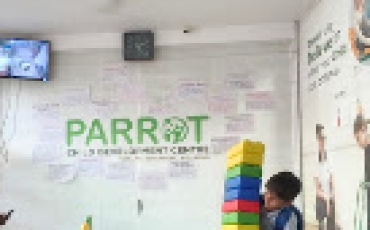
Parrot Child Development Centre in Kozhikode provides speech and language assessment and therapy for children with different communication needs.
The service addresses areas including speech sounds, articulation, receptive and expressive language, fluency, voice production, social interaction, and other communication skills. Therapy is planned according to the child's individual communication profile and needs.
Parents can learn more about Speech Therapy for Children in Calicut and Speech Therapy Assessment for Children in Calicut through the related resources available on the Parrot Child Development Centre website.
Frequently Asked Questions
At what age can a child start speech therapy?
There is no single age that applies to every child. The appropriate time depends on the child's communication and developmental needs. If parents have concerns, they can seek professional guidance rather than waiting for a specific age.
What does a pediatric speech therapist do?
A pediatric speech therapist evaluates and supports children's speech, language, communication, fluency, voice, and related communication skills according to the child's individual needs.
Does speech therapy help children with speech delay?
Speech therapy can provide targeted support for children with speech and language difficulties. The type of therapy depends on the child's assessment and communication profile.
Is speech therapy only for children who are not talking?
No. Speech therapy can also support children who speak but have unclear speech, limited vocabulary, difficulty forming sentences, language comprehension difficulties, fluency concerns, voice difficulties, or social communication challenges.
Should parents wait if a child has delayed speech?
Parents do not need to wait until a child reaches a particular age before asking for professional guidance. An assessment can help determine whether the child's communication development needs additional support.
Can speech therapy be part of multidisciplinary child development care?
Yes. Depending on the child's needs, speech and language therapy may be provided alongside occupational therapy, physiotherapy, behavioural therapy, developmental assessment, or other services.
How can parents support speech development at home?
Parents can talk with their child during everyday activities, read together, follow the child's interests, give enough time to respond, model language naturally, and follow strategies recommended by the child's speech-language professional.
Conclusion
Speech and language development is an important part of a child's ability to communicate, learn, participate, and interact with others.
When parents notice persistent communication concerns, professional assessment can help provide clarity. Pediatric speech therapy in Kerala can support children with a wide range of speech, language, fluency, and communication needs through individualised intervention.
The most important step is to understand the child's individual communication profile and choose support based on those needs.