Fine Motor Skills by Age: A Simple Guide for Children (0–5 Years)
Introduction
Fine motor skills are the small, controlled movements of the hands, fingers, and wrists. Children use these skills every day for activities such as holding toys, eating with a spoon, drawing, turning pages, buttoning clothes, and eventually writing.
Fine motor skills develop gradually through play, everyday activities, and practice. Understanding fine motor milestones by age can help parents follow their child's development and recognize when additional support may be helpful.
Every child develops at their own pace, so these milestones should be considered a general guide rather than a strict checklist.
What Are Fine Motor Skills?
Fine motor skills involve the coordination and control of the small muscles of the hands and fingers.
They include:
- Hand and finger strength
- Finger movement and control
- Hand-eye coordination
- Using both hands together (bilateral coordination)
- Pencil and crayon grasp
- In-hand manipulation
- Visual-motor integration
- Object manipulation
These skills are important for play, learning, school activities, self-care, and independence in everyday life.
Fine Motor Skills by Age
1–3 Months
Expected Fine Motor Skills
During the first few months, babies gradually begin developing control over their hands and arms. They may:
- Grasp a finger or toy placed in their hand
- Begin bringing their hands toward their mouth
- Open their hands more frequently
- Begin noticing and reaching toward objects
Fine Motor Activities
Parents can encourage early development through:
- Soft rattles
- Holding a parent's finger
- Age-appropriate tummy time
- Gentle hand and finger play
4–6 Months
Expected Fine Motor Skills
At this stage, babies begin developing more purposeful reaching and grasping. They may:
- Reach for toys
- Hold and shake a rattle
- Bring both hands together
- Hold objects intentionally
- Explore objects using their hands and mouth
Fine Motor Activities
Try:
- Hanging toys
- Mirror play
- Lightweight rattles
- Soft blocks
- Safe sensory play
- Reaching games
7–9 Months
Expected Fine Motor Skills
Children begin gaining greater control over their hands and fingers. They may:
- Transfer objects from one hand to another
- Bang toys together
- Release objects
- Pick up objects using their fingers and hands
- Begin developing a pincer grasp
Fine Motor Activities
Parents can try:
- Block-banging games
- Toy transfer activities
- Musical toys
- Safe finger-food activities
- Picking up large, age-appropriate objects with supervision
10–12 Months
Expected Fine Motor Skills
Around this age, children may:
- Point with their index finger
- Pick up small objects using their thumb and finger
- Release objects intentionally
- Place objects into containers
- Give objects to another person
- Hold a crayon and make simple marks
Fine Motor Activities
Try:
- Pointing games
- Drop-and-pick-up games
- Shape sorters
- Give-and-take games
- Scribbling with large crayons
- Putting large objects into containers
Always supervise young children around small objects because of choking risks.
15–18 Months
Expected Fine Motor Skills
Toddlers may begin to:
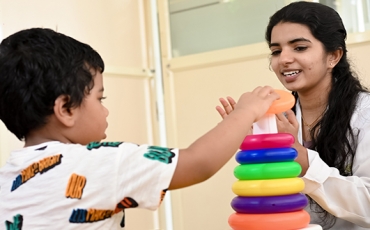
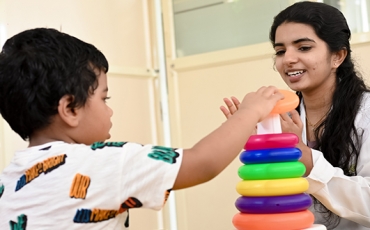
- Build a tower using a few blocks
- Scribble spontaneously
- Turn pages in a book
- Start using a spoon
- Throw a ball or object
- Participate in simple dressing activities
Fine Motor Activities
Helpful activities include:
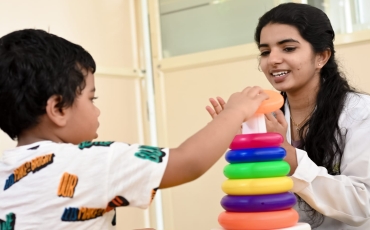
- Block stacking
- Scribbling
- Spoon practice
- Turning book pages
- Ball play
- Simple dressing practice
2 Years
Expected Fine Motor Skills
By around 2 years, many children may:
- Build a tower using several blocks
- Turn book pages individually
- Use a spoon and begin using a fork
- Turn simple handles or knobs
- Open some easy containers
- Participate in washing and drying hands with assistance
- Make more controlled marks with crayons
Fine Motor Activities
Parents can encourage these skills through:
- Building blocks
- Pegboards
- Play dough
- Simple puzzles
- Opening and closing suitable containers
- Drawing and colouring
2½ Years
Expected Fine Motor Skills
At around 2½ years, children may:
- Build taller block towers
- Hold a pencil or crayon using their fingers rather than a whole-hand grasp
- Make more controlled lines and shapes
- Participate more actively in dressing and feeding
Fine Motor Activities
Try:
- Colouring
- Bead threading with appropriate supervision
- Peg puzzles
- Play dough
- Simple drawing activities
3 Years
Expected Fine Motor Skills
By around 3 years, children may:
- Build a tower using several blocks
- Put on simple clothing
- Put on socks and shoes with some help
- Button or unbutton some large buttons
- Pour liquids with improving control
- Use utensils with increasing independence
Fine Motor Activities
Helpful activities include:
- Button boards
- Dressing games
- Pouring activities
- Block building
- Play dough
- Simple crafts
4 Years
Expected Fine Motor Skills
Around 4 years, children may:
- Dress themselves with some assistance for difficult fasteners
- Use scissors with improving control
- Draw more recognizable shapes
- Use crayons and pencils with better control
- Participate in simple craft activities
- Wash and dry their face with increasing independence
Fine Motor Activities
Try:
- Scissor practice
- Simple crafts
- Lacing cards
- Colouring
- Drawing shapes
- Cutting along simple lines
5 Years
Expected Fine Motor Skills
By around 5 years, children may:
- Dress independently
- Begin tying shoelaces
- Use pencils with better control
- Copy or write simple letters
- Draw more detailed pictures
- Complete age-appropriate craft activities
Fine Motor Activities
Parents can encourage development through:
- Letter tracing
- Drawing and writing practice
- Shoelace boards
- Cutting activities
- Colouring
- Drawing games
Why Are Fine Motor Skills Important?
Fine motor development supports many areas of a child's daily life.
Good fine motor skills can help children with:
- Eating independently
- Dressing
- Brushing teeth
- Using school materials
- Drawing and colouring
- Handwriting
- Cutting with scissors
- Playing with toys
- Opening containers
- Completing classroom activities
Fine motor skills also work together with hand-eye coordination, visual-motor skills, bilateral coordination, and independence in daily activities.
Signs Your Child May Be Struggling With Fine Motor Skills
Children develop at different rates. However, parents may consider seeking professional advice if a child consistently has difficulty with age-appropriate activities such as:
- Holding or manipulating toys
- Picking up objects
- Using both hands together
- Using a spoon or other utensils
- Drawing or colouring
- Using scissors
- Buttoning clothes
- Holding a pencil or crayon
- Performing age-appropriate self-care activities
- Participating in school-related hand activities
A professional assessment can help identify whether the difficulty is related to fine motor control, coordination, sensory processing, visual-motor skills, or another developmental factor.
How Occupational Therapy Can Help With Fine Motor Skills
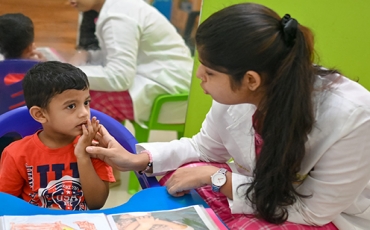
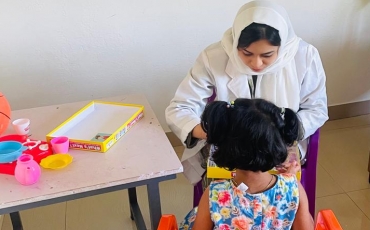
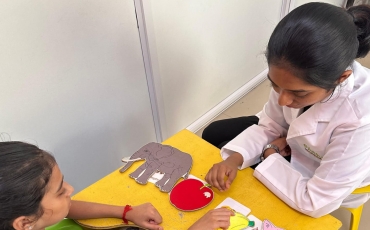
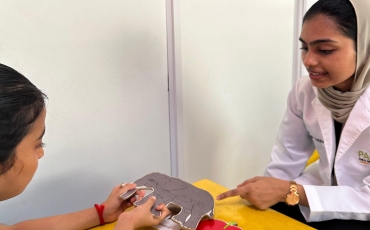
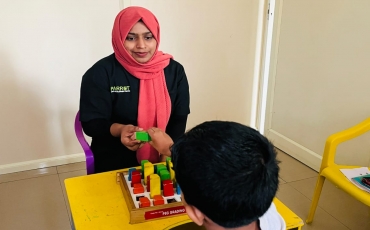
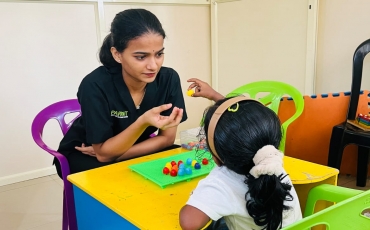
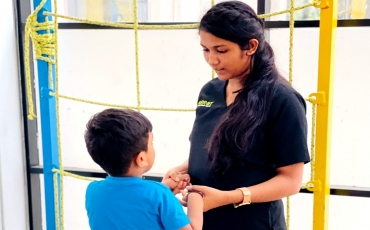
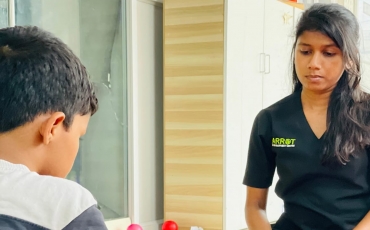
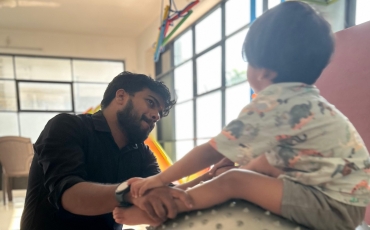
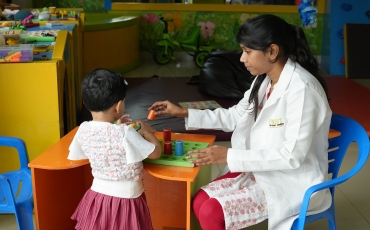
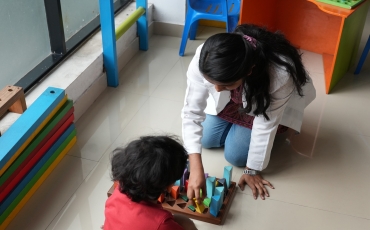
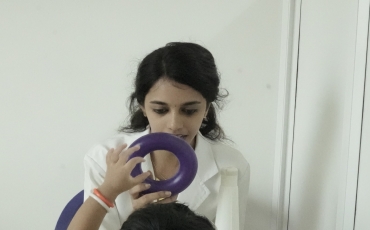
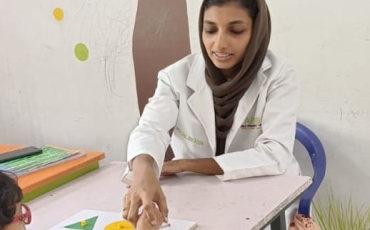
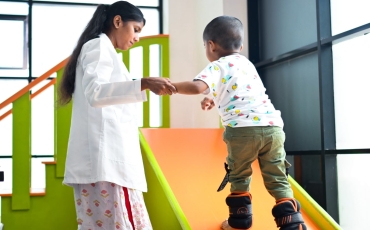
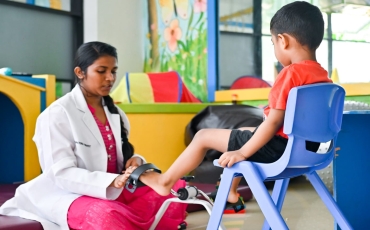
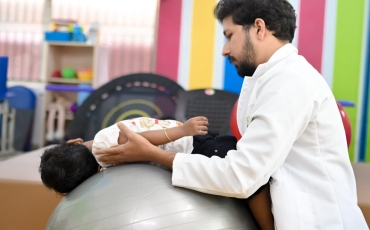
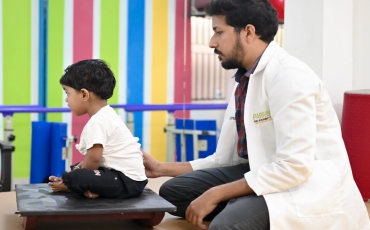
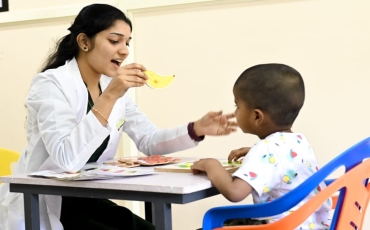
Occupational Therapy for children in Kozhikode can support the development of fine motor skills, hand strength, coordination, visual-motor integration, and independence.
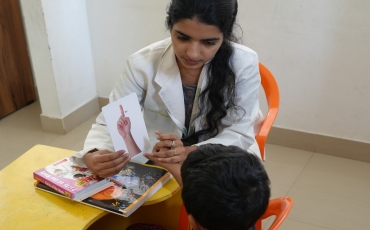
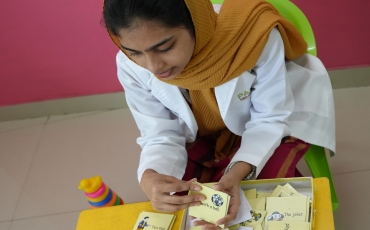
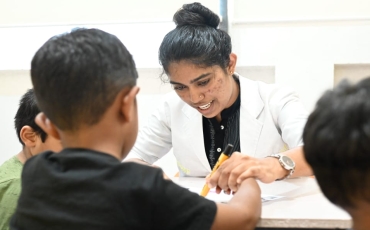
An occupational therapist can assess a child's individual abilities and create activities based on their developmental needs and functional goals.
Therapy may include:
- Hand-strengthening activities
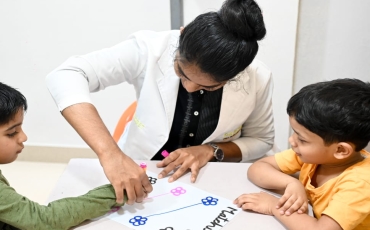
- Pencil-control exercises
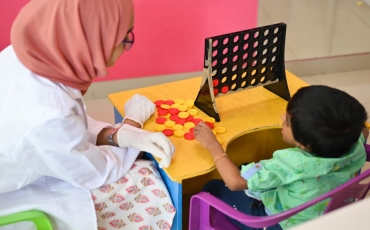
- Hand-eye coordination activities
- Bilateral coordination tasks
- Play-based fine motor activities
- Cutting and drawing activities
- Self-care practice
- Visual-motor activities
For children who also have difficulty with dressing, feeding, grooming, toileting, or other everyday activities, fine motor development can be addressed alongside Activities of Daily Living (ADL) skills.
Simple Fine Motor Activities for Children at Home
Parents do not need expensive equipment to encourage fine motor development. Simple everyday activities can be very effective.
1. Drawing and Colouring
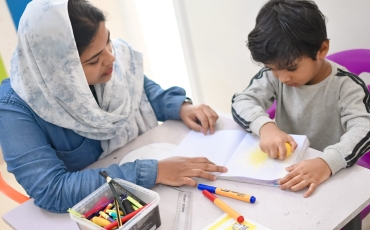
Give your child age-appropriate crayons, pencils, and paper. Encourage them to draw, colour, and experiment with different lines and shapes.
2. Building With Blocks
Stacking and arranging blocks can help develop hand control, coordination, and problem-solving skills.
3. Playing With Play Dough
Squeezing, rolling, pinching, and shaping play dough can help strengthen the hands and fingers.
4. Everyday Self-Care Activities
Allow your child to participate in dressing, feeding, brushing, and other daily activities according to their age and ability.
5. Simple Crafts
Tearing paper, sticking, threading, folding, and age-appropriate cutting activities can encourage hand coordination.
6. Make Practice Fun
Children often learn best through enjoyable activities. Turn fine motor practice into games instead of making it feel like a lesson.
Fine Motor Skills and Occupational Therapy in Kozhikode
If your child has persistent difficulty with handwriting, drawing, using utensils, dressing, or other hand-based activities, a professional assessment may help identify the underlying difficulty.
Occupational Therapy For Children in Kozhikode can support children in developing fine motor skills, coordination, sensory processing, and independence through individualized, child-friendly activities.
At Parrot Child Development Centre, Kozhikode (Calicut), occupational therapy programs can be tailored according to each child's developmental needs and functional goals.
Conclusion
Fine motor skills develop gradually from infancy through the preschool years. Skills such as grasping, reaching, scribbling, using utensils, dressing, cutting, and writing build step by step through everyday experiences and play.
Every child develops at their own pace. However, persistent difficulties with age-appropriate fine motor activities may benefit from professional assessment.
With appropriate activities, regular practice, and early support when needed, children can develop the hand skills required for daily independence, school participation, and confident learning.
If you have concerns about your child's fine motor development, consider speaking with a qualified occupational therapist for an appropriate assessment and guidance.