
How to Find a Pediatric Speech Therapist in Calicut for Your Child
When a child has difficulty speaking, understanding language, pronouncing words, or communicating with others, parents may start looking for professional support. Finding the right therapist is an important decision because every child's communication needs are different.
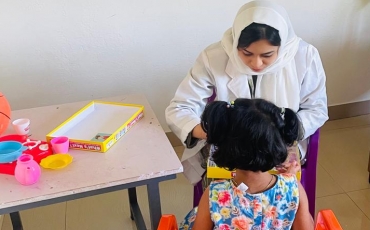
A Pediatric Speech Therapist in Calicut can assess a child's speech and language development, identify areas that may need support, and suggest appropriate therapy based on the child's individual needs.
But how do parents choose the right speech therapist for their child?
This guide explains what parents can consider when looking for speech and language support in Calicut.
What Does a Pediatric Speech Therapist Do?
A pediatric speech therapist, also known as a speech-language pathologist, works with children who have difficulties related to speech, language, communication, fluency, or voice.
Depending on the child's needs, a speech therapist may assess and support:
- Speech sound production
- Vocabulary development
- Understanding language
- Expressive language
- Sentence development
- Fluency
- Voice
- Social communication
- Conversation skills
- Functional communication
The exact areas addressed depend on the child's age, development, and assessment findings.
When Should Parents Consider Consulting a Speech Therapist?
Parents may consider consulting a speech-language professional when they have ongoing concerns about their child's communication development.
Some signs may include:
- The child uses very few words for their developmental stage
- The child has difficulty combining words
- Speech is difficult to understand
- The child struggles to express needs or ideas
- The child has difficulty understanding instructions
- The child frequently becomes frustrated while communicating
- The child has persistent speech sound difficulties
- The child has ongoing stammering or fluency concerns
- The child has difficulty with social communication
- The child has stopped using communication skills they previously had
These signs do not automatically mean that a child has a speech or language disorder. An assessment can help determine whether there is a concern and what type of support may be appropriate.
Parents can also read our article, Does My Child Need Speech Therapy? 7 Signs Parents Should Watch For, for more information.
Why Is a Speech and Language Assessment Important?
Before starting therapy, it is useful to understand the child's current communication abilities.
A speech and language assessment may look at:
Receptive language
This refers to how well a child understands spoken language.
The therapist may look at the child's ability to understand words, instructions, questions, concepts, and conversations.
Expressive language
This refers to how a child communicates their thoughts, needs, and ideas.
It may include vocabulary, sentence formation, and the ability to describe or explain things.
Speech sounds
The therapist may assess how the child produces different sounds and how understandable their speech is.
Fluency
If parents have concerns about stammering or interruptions in speech, fluency may also be assessed.
Social communication
The therapist may observe how the child interacts with others, takes turns, responds, starts communication, and uses communication in social situations.
Functional communication
The assessment may also consider how effectively the child communicates during everyday activities.
Parents can learn more about the assessment process in our guide to Speech Therapy Assessment for Children.
What Should Parents Look for in a Pediatric Speech Therapist?
When searching for a Pediatric Speech Therapist in Calicut, parents can consider several practical factors.
1. Experience With Children
Children communicate and learn differently from adults. A therapist who works with children should be familiar with age-appropriate communication development and child-friendly therapy approaches.
2. Individualized Assessment
Every child is different.
A good starting point is an assessment that considers the child's individual communication abilities rather than assuming that every child with the same concern needs the same therapy.
3. Clear Therapy Goals
Parents should understand what the therapist is working toward.
Depending on the assessment, goals might involve vocabulary, sentence development, speech clarity, understanding language, social communication, or functional communication.
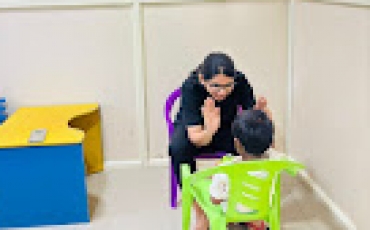
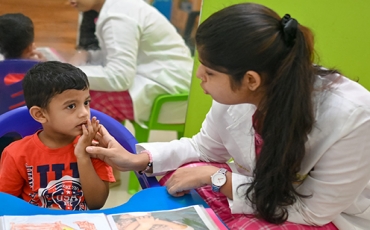
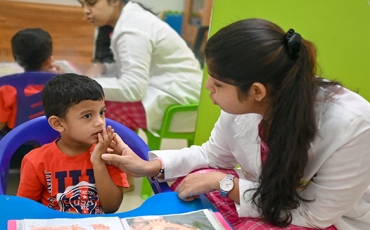
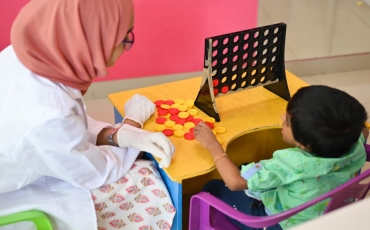
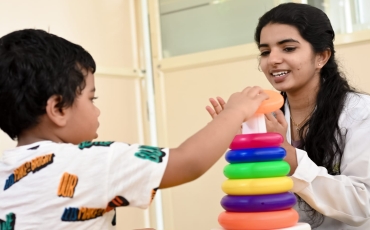
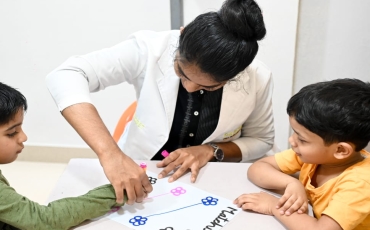
4. Child-Friendly Therapy
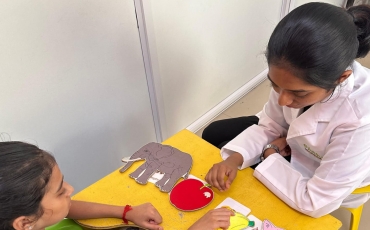
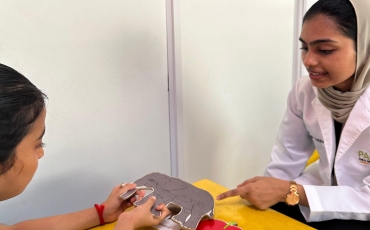
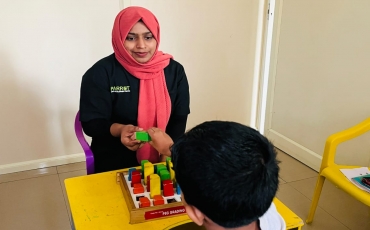
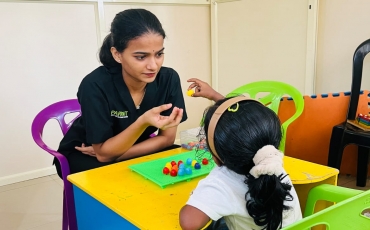
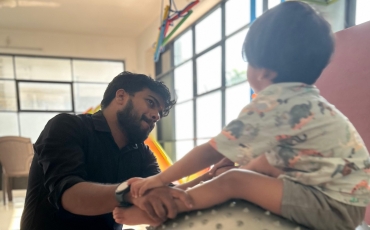
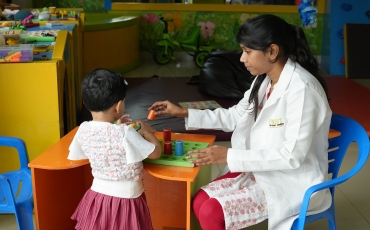
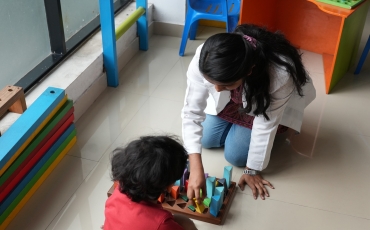
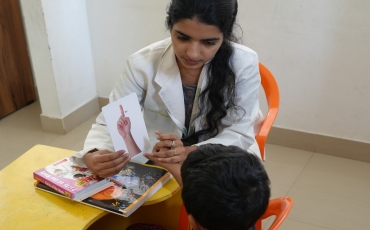
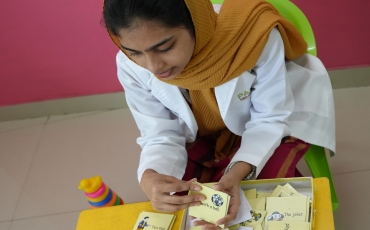
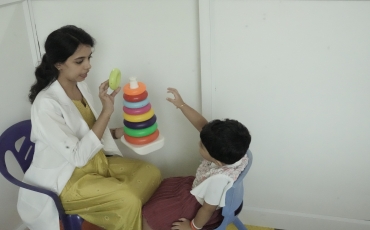
Young children may learn best through activities that are engaging and appropriate for their age.
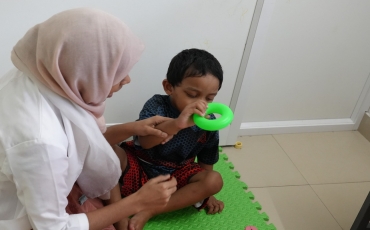
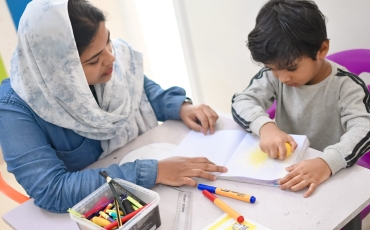
Therapy may involve:
- Play
- Picture books
- Toys
- Games
- Stories
- Songs
- Everyday objects
- Interactive activities
The activities should be connected to the child's communication goals.
5. Parent Guidance
Parents spend much more time with their child than a therapist does.
Practical guidance for home routines can therefore be an important part of supporting communication development.
Parents can ask the therapist how they can reinforce communication skills during meals, play, reading, travel, and other everyday activities.
6. Communication With Parents
Parents should feel comfortable discussing their concerns and asking questions about the child's progress.
Clear communication can help parents understand the purpose of therapy and how they can participate.
Pediatric Speech Therapy for Different Communication Needs
Children may require speech and language support for different reasons.
Speech Delay
Some children develop spoken language more slowly than expected.
Therapy may focus on vocabulary, word combinations, functional communication, and other language skills based on assessment.
Language Delay
A child may have difficulty understanding language, expressing ideas, learning vocabulary, or forming sentences.
Speech Sound Difficulties
Some children have difficulty producing particular speech sounds, which can affect how clearly they are understood.
Stammering
Some children experience repetitions, prolongations, or pauses while speaking. A speech-language professional can assess fluency and determine whether support may be useful.
Autism and Social Communication
Children with autism may have different communication profiles. Some may have limited spoken language, while others may speak but experience difficulties with social communication.
Speech therapy can support communication according to the child's individual needs.
Speech delay alone does not indicate autism. When there are broader developmental concerns, an appropriate developmental assessment is important.
Why Early Support Can Be Helpful
Parents sometimes choose to wait and see whether communication difficulties resolve on their own.
While children can develop at different rates, persistent concerns or lack of progress are reasons to seek professional guidance.
An assessment does not necessarily mean that a child will need long-term therapy.
Instead, it can help parents understand:
- What communication skills their child already has
- Which areas may need support
- Whether therapy is appropriate
- What parents can do at home
- Whether additional assessment may be useful
Early guidance can help families make informed decisions about their child's communication development.
What Can Parents Ask Before Starting Therapy?
Before choosing a speech therapy service, parents may find it useful to ask:
- What areas will be assessed?
- How is therapy planned for each child?
- What communication goals will be addressed?
- How are parents involved?
- How is progress monitored?
- What activities can be continued at home?
- Does the service work with other child development professionals when required?
These questions can help parents understand whether the service is appropriate for their child's needs.
Choosing Speech Therapy in Calicut
Families looking for Speech Therapy in Calicut have different options. The most suitable service can depend on the child's age, communication concerns, assessment needs, and the type of support required.
When comparing services, parents can look beyond location and consider the qualifications and experience of the professionals, the assessment process, individualized therapy goals, parent involvement, and the overall approach to working with children.
Pediatric Speech Therapy at Parrot Child Development Centre
Parrot Child Development Centre provides speech and language assessment and therapy for children with different communication needs.
The speech therapy service addresses areas including speech and articulation, receptive and expressive language, fluency, voice production, social interaction, cognitive communication skills, and related communication needs.
For parents searching for a Pediatric Speech Therapist in Calicut, an individual assessment can help identify the child's communication strengths and areas that may require additional support.
Parrot Child Development Centre is located in Thondayad, Kozhikode, and provides child development services through a multidisciplinary approach.
Frequently Asked Questions
How do I choose a pediatric speech therapist in Calicut?
Parents can consider the therapist's experience working with children, assessment approach, individualized therapy goals, parent involvement, and communication with families.
Does my child need an assessment before speech therapy?
An assessment is generally useful because it helps identify the child's specific communication strengths and difficulties and guides therapy planning.
Can speech therapy help a child who is a late talker?
A speech-language professional can assess a late-talking child's communication skills and determine whether speech or language support may be appropriate.
Can speech therapy help children with autism?
Speech therapy can support communication and social communication skills according to an autistic child's individual needs.
How long does a child need speech therapy?
There is no fixed duration for every child. The length and frequency of therapy depend on the child's needs, goals, progress, and response to intervention.
Can parents help with speech development at home?
Yes. Parents can support communication through talking, reading, play, daily routines, and strategies recommended by the child's speech-language professional.
Conclusion
Choosing the right speech therapy service is an important step when parents have concerns about their child's communication.
A Pediatric Speech Therapist in Calicut can assess speech, language, fluency, and communication skills and help identify appropriate support based on the child's individual needs.
Parents do not have to wait until communication difficulties become severe before seeking guidance. A professional assessment can provide a clearer understanding of the child's development and help families decide on the next appropriate step.
For families looking for Speech Therapy for Children in Calicut, Parrot Child Development Centre provides individualized speech and language assessment and therapy for children with different communication needs.