
Signs Your Child May Benefit from Speech and Language Therapy
Introduction
Children develop communication skills at different rates. Some begin using words early, while others take more time to express themselves, understand language, or communicate with people around them. However, when communication difficulties persist or parents notice concerns about their child's development, it is worth seeking professional guidance.
Recognising the signs of speech delay in children can help parents understand when an assessment may be beneficial. Speech and language difficulties can affect how children express their needs, follow instructions, interact with others, and participate in everyday activities.
Understanding these signs does not mean diagnosing a child at home. Instead, it helps parents recognise possible concerns, ask informed questions, and explore whether Speech and Language Therapy for Children may be appropriate.
1. Your Child Uses Fewer Words Than Expected
One concern parents commonly notice is that their child uses fewer spoken words than expected for their developmental stage.
A young child may communicate primarily through gestures, pointing, sounds, or leading an adult towards an object. Gestures are a normal and valuable part of communication, but parents may want to seek guidance if spoken vocabulary is developing more slowly than expected or if communication is becoming difficult.
For example, a child may have difficulty using words to request food, name familiar objects, or communicate what they want during play.
The number of words a child uses is only one part of communication development. A professional assessment considers the child's age, understanding, gestures, interaction, language exposure, and overall developmental history.
2. Your Child Has Difficulty Combining Words
As children develop language, they gradually begin combining words to communicate more detailed messages.
Some children may continue using single words when they are expected to be developing short phrases. Others may find it difficult to combine words meaningfully or express simple ideas.
Parents may notice that their child can name objects but struggles to ask for something, describe an activity, or communicate what happened during the day.
These difficulties may be associated with expressive language development. A qualified professional can assess the child's communication abilities and determine whether additional support is appropriate.
3. Your Child Has Difficulty Understanding Instructions
Communication involves understanding language as well as speaking.
A child may have difficulty understanding familiar words, following age-appropriate instructions, or responding consistently when spoken to. For example, the child may struggle with a simple request involving a familiar object or find it difficult to understand questions appropriate for their developmental level.
These observations can have different explanations. Hearing difficulties, language development, attention, and other developmental factors may need consideration.
If your child regularly seems unable to understand spoken communication, discuss your concerns with a healthcare professional. They may recommend a hearing assessment or further developmental evaluation as appropriate.
4. Your Child Is Difficult to Understand
Some children use words but have difficulty producing speech sounds clearly. Their pronunciation may make it difficult for unfamiliar listeners to understand what they are saying.
Parents might notice that the child substitutes sounds, leaves out sounds, or consistently pronounces certain words differently from what would be expected for their age.
Speech sound development varies, and not every pronunciation difference requires therapy. However, persistent difficulties that affect communication may benefit from assessment by a qualified speech-language therapist.
The therapist can determine which sounds or patterns need attention and recommend suitable activities if intervention is indicated.
5. Your Child Has Difficulty Communicating Needs
Children use communication to request help, express discomfort, share interests, and participate in family activities.
A child who has difficulty communicating may become frustrated when others do not understand what they want. They might rely heavily on gestures, become upset during everyday routines, or struggle to communicate choices.
Frustration alone does not indicate a speech or language disorder. However, if communication difficulties repeatedly interfere with daily life, it can be helpful to understand what is causing the problem.
Assessment can explore how the child currently communicates and identify ways to support more effective communication.
6. Your Child Has Difficulty Participating in Conversations
As children grow, communication involves more than saying individual words. They gradually learn to respond to others, take turns, share information, ask questions, and maintain simple conversations.
Some children may find these skills challenging. They might have difficulty answering questions, sharing experiences, staying on topic, or adapting communication during interactions.
These concerns should be considered in the context of the child's age, developmental level, language abilities, and social experiences.
If communication difficulties affect relationships, learning, or everyday participation, a professional assessment can help clarify the child's needs.
7. Your Child Has Persistent Fluency Difficulties
Fluency refers to the smooth flow of speech. Some children repeat sounds or words, prolong sounds, or experience interruptions while speaking.
Occasional repetitions can occur during typical language development. However, persistent stammering, visible tension while speaking, avoidance of speaking, or distress related to communication may warrant professional advice.
Parents do not need to pressure a child to speak more quickly or repeatedly correct their speech. Instead, allow the child time to communicate and seek guidance from a qualified professional if concerns continue.
8. Your Child Has Lost Previously Acquired Communication Skills
One of the most important concerns to recognise is a loss of skills a child previously used.
For example, a child may stop using words they previously said or show a noticeable decline in communication abilities. Losing previously acquired skills should not be treated as an ordinary speech delay or simply monitored without guidance.
Parents should seek prompt medical and developmental evaluation. A professional can help determine what assessments and next steps are appropriate.
When Should Parents Seek a Speech and Language Assessment?
Parents do not need to wait until a child reaches a particular age or has multiple difficulties before asking for advice.
Consider seeking professional guidance if:
-
You are concerned about your child's speech or language development.
-
Your child has difficulty expressing needs or understanding language.
-
Communication difficulties affect daily activities or social interaction.
-
Your child's speech is persistently difficult for others to understand.
-
You have concerns about stammering or other fluency difficulties.
-
Your child has lost communication skills they previously had.
A professional assessment may include a discussion of developmental history, observation of communication, age-appropriate speech and language activities, and consideration of hearing or other developmental factors.
The assessment helps determine whether therapy is appropriate or whether additional evaluation is needed.
If you notice persistent signs of communication difficulty, consulting a Pediatric Speech Therapy Center in Calicut can help you understand your child's speech and language development. A professional assessment can explore your child's communication strengths, identify areas that may need support, and help determine whether speech and language therapy is appropriate. Early guidance can help parents make informed decisions about their child's communication needs.
How Can Speech and Language Therapy Help?
The type of support depends on the child's individual communication needs.
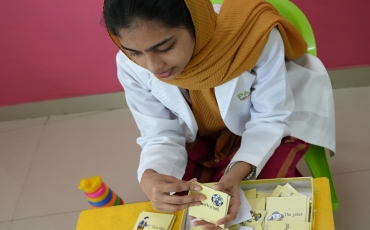
Speech and Language Therapy for Children may focus on developing vocabulary, understanding language, combining words, improving speech sound production, or building functional communication skills.
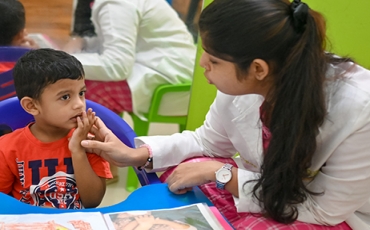
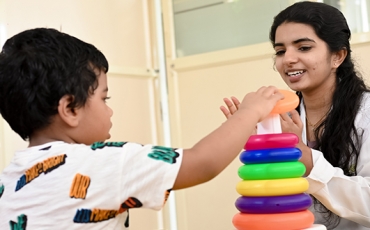
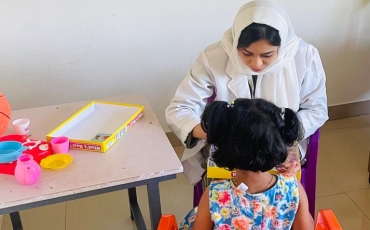
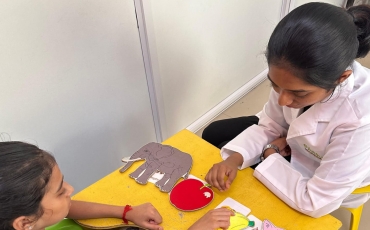
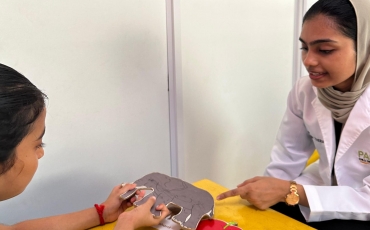
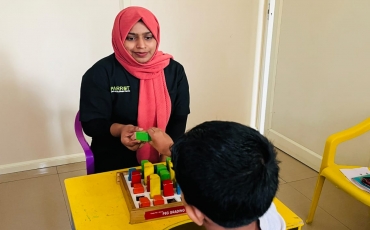
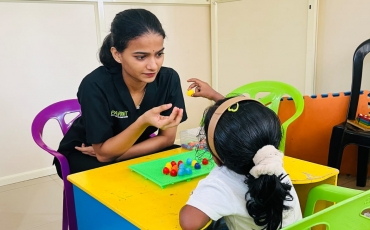
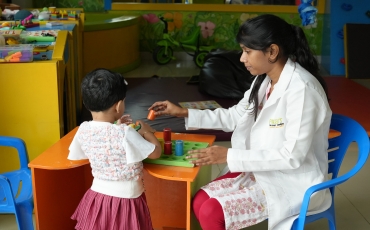
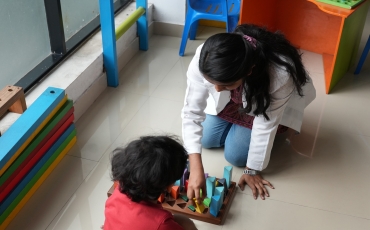
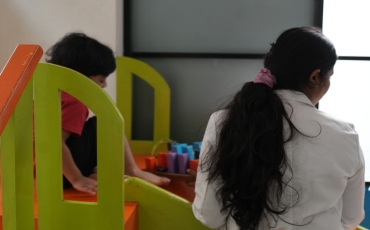
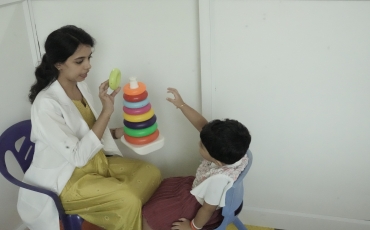
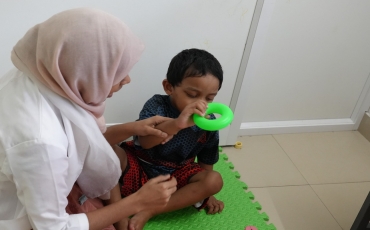
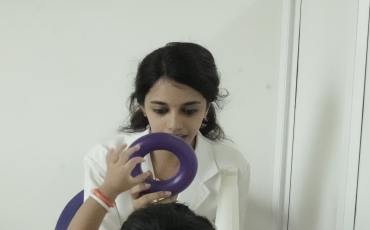
For younger children, therapy may involve play-based activities that encourage interaction, gestures, shared attention, and early language. Older children may work on pronunciation, sentence formation, storytelling, or conversational skills.
Therapy goals should be individualised, reviewed regularly, and explained clearly to parents. Outcomes and timelines vary from child to child, so families should avoid providers who promise guaranteed results.
How Parents Can Encourage Communication at Home
Parents can create communication opportunities through simple everyday activities.
Talk During Daily Routines
Describe familiar activities such as eating, dressing, shopping, or playing. Use clear language and give your child opportunities to respond.
Read Together
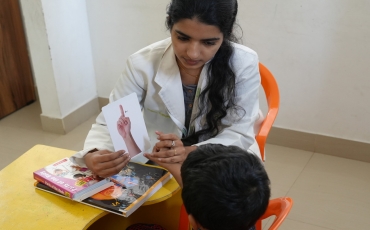
Picture books introduce new words and encourage children to point, name objects, describe actions, and share attention.
Follow Your Child's Interests
Join activities your child enjoys and respond to their communication attempts. Meaningful interaction can make communication more engaging.
Give Your Child Time
Pause after speaking or asking a question. Avoid rushing to answer for the child or placing unnecessary pressure on them to repeat words.
Expand on Your Child's Words
If your child says “dog,” you might respond with “big dog” or “the dog is running.” This provides a natural example of how words can be combined.
Seek Professional Guidance When Needed
Home activities can support communication, but they should not replace assessment when parents have ongoing concerns. A qualified professional can recommend strategies suited to the child's developmental needs.
Finding Speech Therapy Support in Kozhikode
Families looking for Speech Therapy for Kids in Calicut can explore local providers and ask about their assessment process, therapist qualifications, therapy goals, and parent involvement.
A qualified Child Speech Therapist in Kozhikode should explain the child's communication needs clearly and recommend an approach based on the assessment rather than applying the same programme to every child.
When comparing services, parents may want to ask:
-
What does the initial assessment involve?
-
How are individual therapy goals decided?
-
How will progress be monitored?
-
What can parents practise at home?
-
When will the therapy plan be reviewed?
-
Is further evaluation or referral needed?
Choosing a provider who communicates clearly and sets realistic expectations can help families understand the process and participate in their child's development.
Speech Therapy Support at Parent Child Development Centre
Parents concerned about their child's speech or language development can learn more about the services offered by Parent Child Development Centre and enquire about suitable assessment and support options.
The first step is understanding the child's individual communication profile. A professional assessment can help clarify areas of concern, identify appropriate goals, and guide families on the next steps.
To learn more about the centre's services, visit the Speech Therapy service page at Parent Child Development Centre:
Parents can enquire about the assessment process, therapist qualifications, individual therapy planning, and ways to support communication at home.
Frequently Asked Questions
What are the early signs of speech delay in children?
Possible concerns include delayed spoken vocabulary, difficulty combining words, challenges understanding language, or difficulties communicating needs. Development varies, so an assessment is needed to understand an individual child's needs.
Should I wait for my child to start talking?
If you are concerned about your child's communication, seek professional advice rather than relying on waiting alone. A professional can help determine whether assessment, monitoring, or intervention is appropriate.
Does speech delay always mean a developmental disorder?
No. Speech and language difficulties can have different causes, and a delay does not automatically indicate a specific disorder. A suitable assessment helps clarify the concern.
Can speech therapy help toddlers?
Speech and language support can be appropriate for young children when assessment indicates a need. The approach depends on the child's age, abilities, and communication goals.
Can I support my child's speech development at home?
Yes. Talking during daily routines, reading together, playing, and following professional recommendations can encourage communication. Seek professional guidance if concerns persist.
Conclusion
Recognising the signs of speech delay in children can help parents make informed decisions about communication development. Difficulties with spoken words, understanding language, pronunciation, fluency, or everyday communication may be worth discussing with a qualified professional.
Every child has individual strengths and needs. When concerns arise, an appropriate assessment can help parents understand the next steps and explore whether speech and language therapy may be beneficial.