
Speech Delay in Toddlers: When Should Parents Seek Help?
A toddler's first words are an exciting milestone for every parent. From saying "mama" and "papa" to naming familiar objects and asking for things, early communication plays an important role in a child's development. However, some children begin talking later than expected or find it difficult to express their needs using words.
Understanding the signs of speech delay in toddlers can help parents decide when to seek professional guidance. Although children develop at different rates, persistent concerns about speech and language development should not be ignored.
This guide explains common signs of speech delay, developmental milestones parents can observe, and how professional assessment and speech therapy may support a child's communication skills.
What Is Speech Delay in Toddlers?
Speech delay refers to a child having difficulty developing spoken communication skills at the expected rate. Some children may understand what others say but have difficulty expressing themselves. Others may experience challenges with understanding language as well as using words.
Speech and language are related but different skills. Speech involves producing sounds and words, while language involves understanding and communicating meaning through words, gestures, and other forms of communication.
A child may experience difficulties with one or both areas. A qualified professional can assess the child's communication abilities and help determine whether further support is needed.
What Are the Signs of Speech Delay in Toddlers?
Parents can observe how their child communicates during play, family interactions, and everyday routines. Some signs that may need professional attention include:
1. Limited Use of Words
A toddler may use fewer words than expected for their age or may not be developing new words over time. The child's ability to communicate using gestures, sounds, and other methods should also be considered.
2. Difficulty Combining Words
As children grow, they gradually begin combining words to express simple ideas. For example, a child may say "more milk" or "mummy come." Difficulty progressing towards age-appropriate word combinations may warrant assessment.
3. Difficulty Understanding Simple Instructions
Some children may struggle to understand familiar words or simple instructions. It is important to consider both the child's understanding of language and their ability to express themselves.
4. Limited Communication During Play
Children use communication to request objects, share interests, respond to others, and participate in play. If a child has difficulty using words, gestures, or other methods to communicate, parents can discuss their observations with a professional.
5. Loss of Previously Acquired Communication Skills
If a child stops using words or loses previously acquired communication or developmental skills, seek prompt professional assessment rather than waiting to see whether the skills return.
These signs do not automatically mean that a child has a specific developmental condition. An individual assessment helps clarify the child's needs.
Speech and Language Milestones Parents Should Know
Children develop at different rates, but developmental milestones provide useful guidance for parents.
Around 18 Months
By 18 months, many children are beginning to use several meaningful words beyond "mama" or "dada" and can follow some simple one-step instructions without gestures. These are general developmental indicators, not a diagnostic checklist.
Around 2 Years
By 2 years, many children begin putting at least two words together, such as "more milk." They may also point to familiar pictures or body parts when asked and use a wider range of gestures to communicate.
If your toddler is not reaching expected communication milestones, consider discussing your concerns with a qualified professional.
Milestones are guides rather than guarantees. A child's communication should be considered alongside their overall development, understanding, hearing, and individual circumstances.
When Should Parents Seek Help for Speech Delay?
Parents do not need to wait until a child reaches a particular age if they are concerned about communication development.
Consider seeking professional guidance if:
-
Your child is not developing words or word combinations as expected.
-
Your toddler has difficulty understanding familiar language or simple instructions.
-
Your child struggles to communicate basic needs.
-
You notice ongoing concerns about speech, language, or social communication.
-
Your child loses words or other previously acquired skills.
A professional may recommend a speech and language assessment, hearing evaluation, developmental screening, or referral to another specialist, depending on the child's needs.
Early assessment can help families understand their child's communication profile and decide what support, if any, may be appropriate.
What Causes Speech Delay in Toddlers?
Speech and language difficulties can have different contributing factors. These may include hearing difficulties, developmental language disorders, broader developmental differences, or other individual health and developmental factors.
In some children, speech and language skills develop later without an identified underlying condition. However, it is not possible to determine the reason based only on the number of words a child uses.
A qualified professional can evaluate the child's communication, developmental history, understanding of language, hearing needs, and other relevant factors.
Parents should avoid diagnosing the cause themselves or relying only on comparisons with other children.
How Can Speech Therapy Help Toddlers?
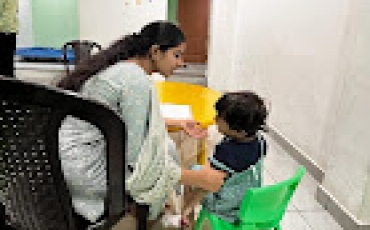
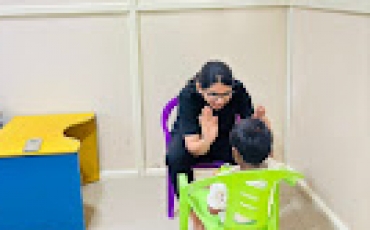
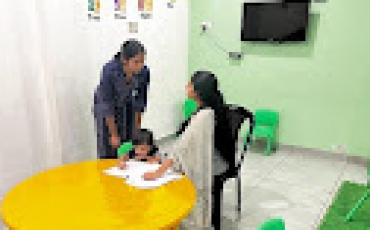
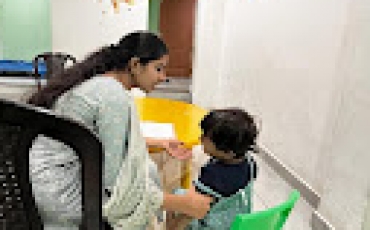
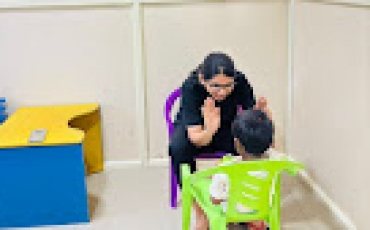
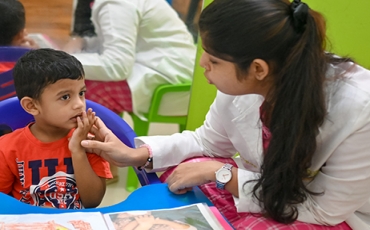
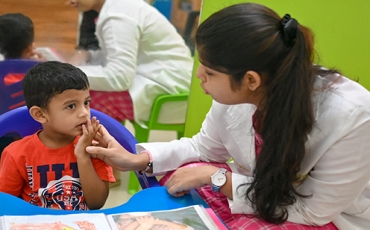
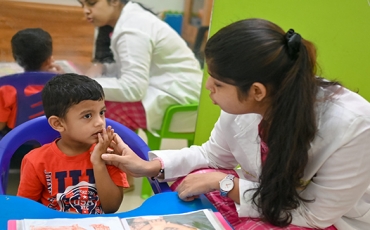
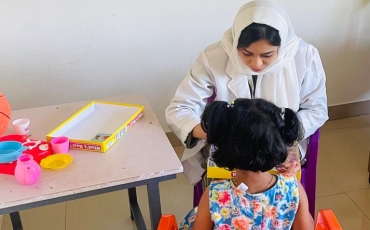
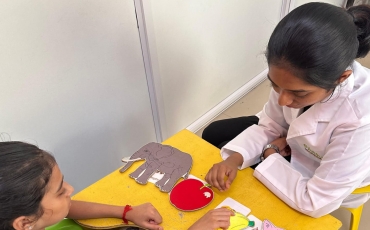
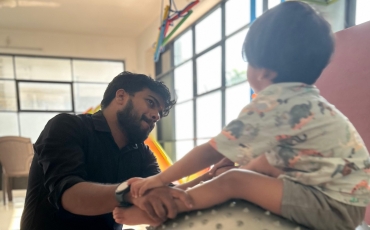
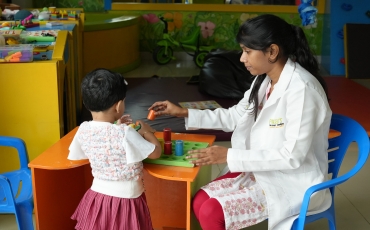
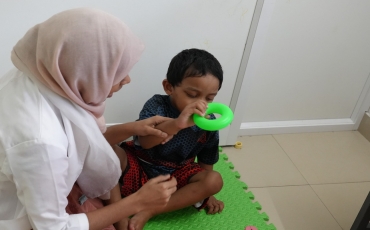
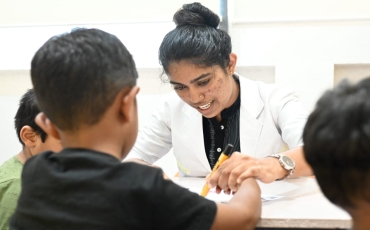
Speech and language therapy supports children who have difficulty understanding or using communication. The approach depends on the child's age, abilities, interests, and assessment findings.
Building Vocabulary and Language
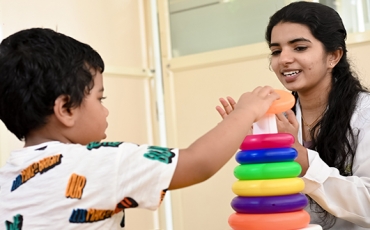
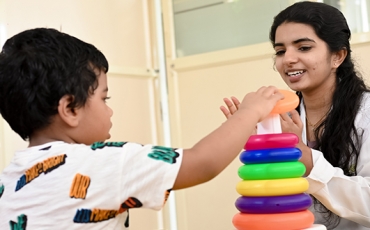
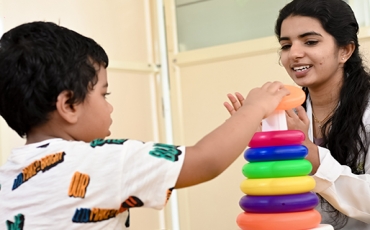
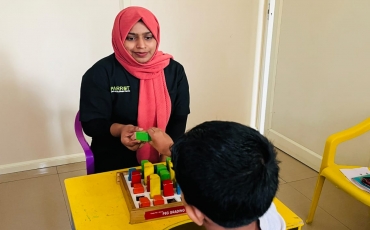
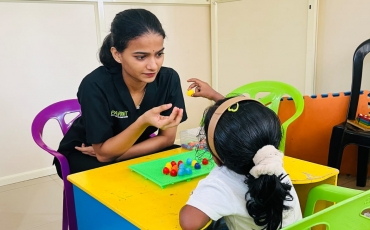
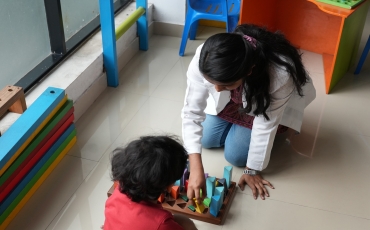
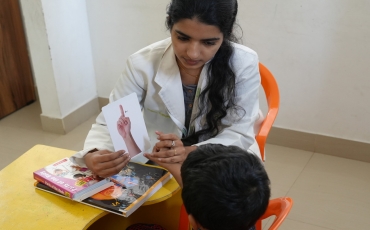
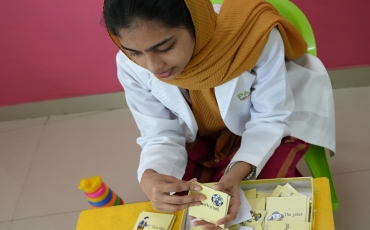
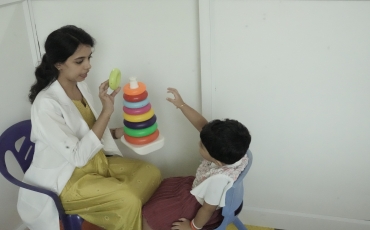
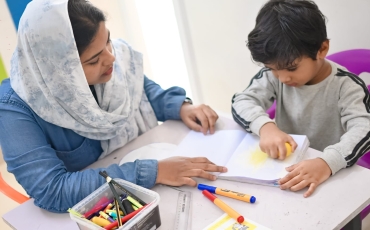
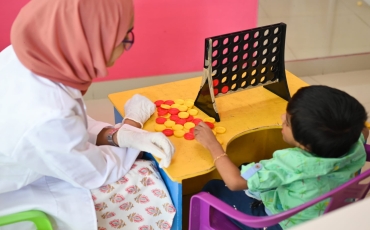
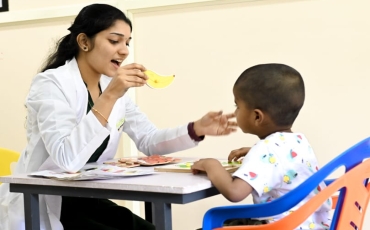
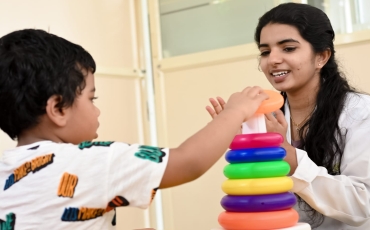
Therapy may use play, books, everyday objects, and familiar routines to encourage understanding and the use of meaningful words.
Encouraging Functional Communication
Children can learn ways to communicate their needs, choices, feelings, and interests. Depending on their abilities, communication may include spoken words, gestures, pictures, or other appropriate communication supports.
Supporting Understanding
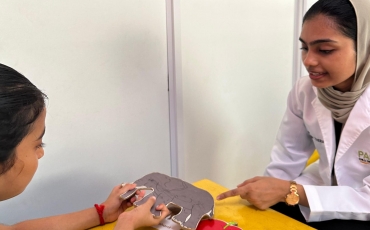
Activities may focus on understanding familiar words, following instructions, recognising objects, and responding to communication in everyday situations.
Helping Parents Support Communication at Home
Parents can learn practical strategies to encourage communication during meals, playtime, reading, and daily routines. Consistent opportunities to communicate can help children practise skills outside therapy sessions.
The goals and frequency of therapy should be individualized. Progress varies from child to child, and no specific outcome can be guaranteed.
Simple Ways to Encourage Speech and Language at Home
Parents can support communication through everyday interactions.
-
Talk during daily routines: Describe what you are doing while dressing, bathing, cooking, or playing with your child.
-
Read picture books together: Name familiar objects and give your child time to respond.
-
Follow your child's interests: If your toddler shows interest in a toy, use simple words related to the activity.
-
Expand their attempts: If your child says "ball," you might respond with "big ball" or "roll ball."
-
Offer simple choices: Ask, "Do you want an apple or a banana?" and allow time for your child to communicate.
-
Respond to all communication attempts: Acknowledge gestures, sounds, words, and other meaningful attempts to communicate.
-
Reduce pressure: Encourage communication naturally instead of repeatedly demanding that your child say a word.
These activities can support communication but should not replace professional assessment when concerns persist.
Why Professional Speech and Language Assessment Matters
A speech and language assessment helps identify a child's strengths and areas where additional support may be useful. Depending on the child's needs, the assessment may consider vocabulary, understanding, gestures, play, interaction, and speech sound development.
A hearing evaluation may also be recommended because hearing difficulties can affect speech and language development.
If you are looking for Pediatric Speech Therapy in Calicut, choose a service that begins by understanding your child's individual communication needs and explains the goals of the recommended support.
Read our related guide: Pediatric Speech Therapy in Calicut: A Complete Guide for Parents.
Speech Therapy for Kids in Calicut
Parents searching for Speech Therapy for Kids in Calicut should look for qualified professionals who can assess communication skills, explain therapy goals, and provide practical guidance for home activities.
Parrot Child Development Centre offers speech therapy as part of its child development services in Kozhikode. Parents can enquire about assessment procedures and suitable support options for their child.
Learn more about Speech Therapy at Parrot Child Development Centre or visit the Parrot CDC homepage for more information about its services.
Frequently Asked Questions
Is it normal for toddlers to start talking late?
Children develop at different rates, and some begin using words later than others. However, ongoing concerns about communication should be discussed with a qualified professional rather than automatically assumed to be part of normal development.
Can speech delay improve with speech therapy?
Speech and language therapy can help children develop communication skills when support is appropriate for their needs. Outcomes vary depending on the child's individual profile and circumstances.
Should I wait until my child turns three before seeking help?
No. If you are concerned about your child's communication, you can seek professional advice before age three. Assessment can help determine whether monitoring, home strategies, therapy, or further evaluation is appropriate.
Does speech delay always mean autism?
No. Speech delay can have several possible explanations and does not by itself establish an autism diagnosis. A qualified professional can assess the child's broader development and recommend further evaluation if needed.
How can I support my toddler's speech at home?
Talk with your child during daily activities, read together, follow their interests, offer simple choices, and respond to their attempts to communicate. If you have ongoing concerns, seek professional guidance.
Conclusion
Speech and language development is an important part of a toddler's early years. Recognising possible signs of speech delay can help parents seek guidance when needed and better understand their child's communication needs.
If your child is experiencing difficulties with words, understanding, or everyday communication, consider arranging a professional assessment. Individualized support, parent involvement, and regular review of developmental goals can help children work towards more effective communication.
For families looking for speech and language support in Kozhikode, Parrot Child Development Centre can be contacted to enquire about its services and assessment options.