Speech Sound Disorders in Children: Causes, Signs and Treatment
Children learn to pronounce different speech sounds gradually as they grow. It is common for young children to mispronounce some sounds while their speech is developing. However, when speech sound difficulties continue beyond what is expected for a child's age or make the child difficult to understand, parents may need to seek professional guidance.
A speech sound disorder in children can affect the way a child produces, organizes, or uses speech sounds. These difficulties may appear as unclear pronunciation, sound substitutions, omitted sounds, or other speech errors.
With appropriate assessment and individualized speech therapy for children, many speech sound difficulties can be addressed effectively.
What Is a Speech Sound Disorder?
A speech sound disorder is a difficulty with producing speech sounds correctly or using the sound system of a language appropriately.
Speech sound disorders can involve articulation, phonology, or both.
An articulation difficulty may occur when a child has trouble physically producing a particular sound. For example, a child may consistently have difficulty producing a specific sound.
Phonological difficulties involve patterns in the way a child organizes or uses sounds in words.
These problems can affect how clearly a child communicates with parents, teachers, siblings, and other children.
It is important to remember that children develop speech sounds at different rates. A speech-language pathologist considers the child's age, language or languages, developmental history, and overall communication before determining whether a speech pattern is a concern.
Common Signs of Speech Sound Disorders in Children
Parents may notice different types of speech sound difficulties. Some common signs include:
1. Difficulty Pronouncing Certain Sounds
A child may consistently have trouble producing particular sounds correctly.
For example, a child may replace one sound with another or have difficulty producing a sound in certain words.
2. Leaving Sounds Out of Words
Some children may omit sounds from words.
For example, a child may leave out a sound at the beginning, middle, or end of a word. If these omissions continue and are affecting speech clarity, an assessment may be helpful.
3. Replacing One Sound With Another
Sound substitutions are another common type of speech error.
A child may use one sound instead of the intended sound. When these patterns continue beyond the expected stage of speech development, they may require professional evaluation.
4. Speech That Is Difficult to Understand
One of the most noticeable signs is reduced speech intelligibility.
Parents may understand their child's speech because they are familiar with it, while teachers, relatives, or unfamiliar listeners may struggle to understand what the child is saying.
If people frequently ask your child to repeat words or sentences, it may be worth discussing these concerns with a speech-language professional.
5. Inconsistent Pronunciation
Some children may pronounce the same word differently on different occasions.
Inconsistent speech production can have different causes, so a proper assessment is important rather than assuming that the problem is simply a pronunciation habit.
6. Frustration When Communicating
A child who is frequently misunderstood may become frustrated, avoid speaking, or become less confident when communicating.
The emotional impact is not necessarily caused by the speech sound difficulty itself, but repeated communication breakdowns can make everyday interactions more challenging.
What Causes Speech Sound Disorders in Children?
There is not always one clear cause of a speech sound disorder.
Some children have speech sound difficulties without an identifiable underlying cause. Others may have speech sound problems associated with developmental, neurological, structural, or hearing-related factors.
Possible contributing factors may include:
- Family history of speech or language difficulties
- Hearing difficulties
- Recurrent middle-ear problems associated with hearing changes
- Certain developmental conditions
- Neurological or motor speech conditions
- Structural differences affecting speech production
- Childhood apraxia of speech or other motor speech difficulties
However, parents should not try to identify the cause based only on pronunciation errors.
A speech-language pathologist (SLP) can assess the child's speech and determine whether the errors are developmentally expected or require further evaluation.
Articulation Problems vs Phonological Difficulties
The terms articulation and phonology are sometimes used together, but they describe different aspects of speech.
Articulation Problems
Articulation refers to how a child physically produces individual speech sounds using the lips, tongue, jaw, and other structures involved in speech.
A child with an articulation difficulty may have trouble producing one or more specific sounds.
Phonological Difficulties
Phonology involves how speech sounds are organized and used within a language.
A child with phonological difficulties may use particular sound patterns across many words.
A child can have articulation difficulties, phonological difficulties, or a combination of both. A professional assessment helps determine the nature of the child's speech sound difficulty and the most appropriate treatment approach.
When Should Parents Consider Speech Therapy?
Parents may consider a professional speech and language assessment if:
- Your child's speech is consistently difficult to understand.
- Your child frequently substitutes sounds.
- Your child regularly leaves sounds out of words.
- Certain pronunciation errors continue for a long time.
- Your child becomes frustrated because others do not understand them.
- Teachers or family members have raised concerns about speech clarity.
- Your child has a history of hearing difficulties.
- You notice other communication or developmental concerns along with speech sound difficulties.
Not every pronunciation error means that a child has a speech sound disorder. Some speech sounds develop later than others, and developmental expectations can vary between languages and dialects.
This is why professional assessment is more useful than comparing a child's speech with another child's speech.
How Is a Speech Sound Disorder Diagnosed?
A speech-language pathologist may evaluate several areas of communication.
The assessment may include:
- The sounds the child can produce
- How the child produces sounds in words and connected speech
- Patterns of sound substitutions or omissions
- Speech intelligibility
- Oral structures and movements related to speech
- Receptive and expressive language skills
- Communication history
- Hearing-related concerns when indicated
The SLP may also consider the language or languages the child uses at home and school. A multilingual child's speech should be assessed with consideration of their linguistic background rather than treating normal differences between languages as a disorder.
How Does Speech Therapy Help Speech Sound Difficulties?
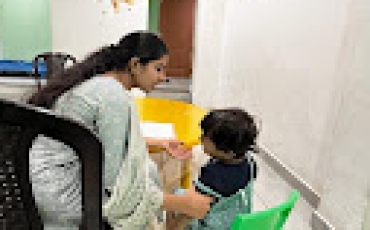
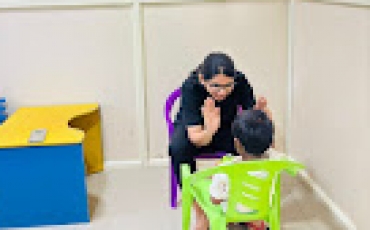
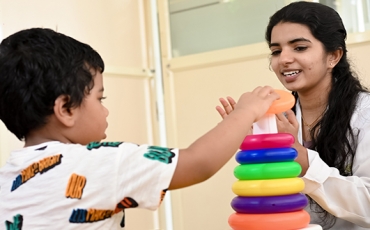
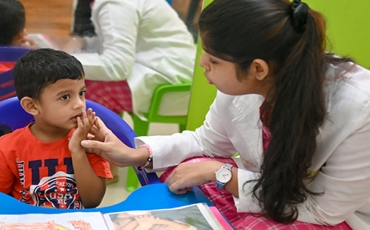
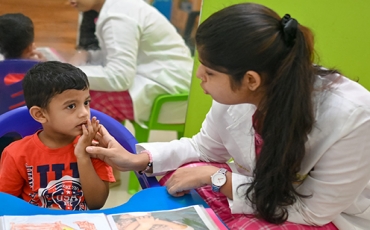
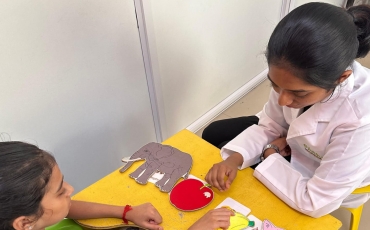
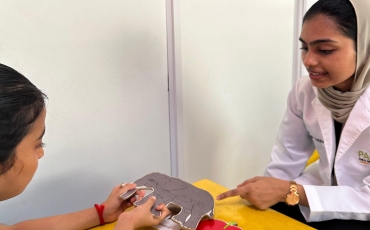
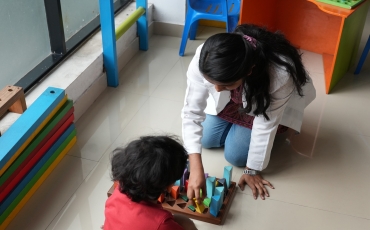
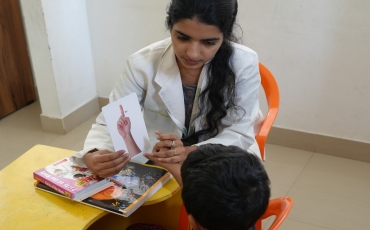
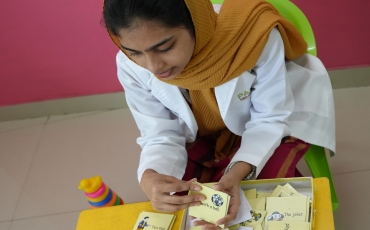
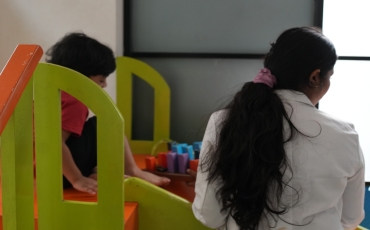
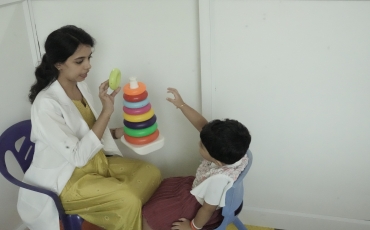
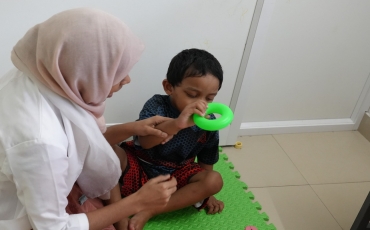
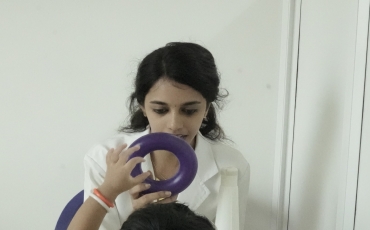
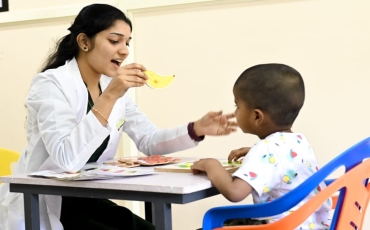
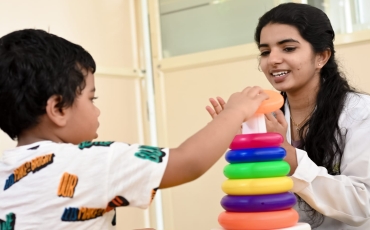
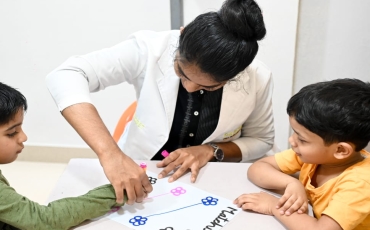
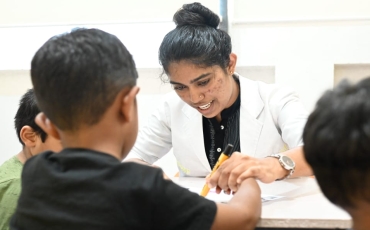
Speech therapy for children is individualized according to the child's specific speech sound difficulties.
The SLP may first identify the sounds or patterns that are affecting the child's communication most.
Therapy can then work on improving accurate sound production and helping the child use those sounds in increasingly natural communication situations.
Depending on the child's needs, therapy may progress through stages such as:
Sound Production
The child learns how to produce the target sound accurately.
Words and Phrases
The target sound is practiced in words and then in increasingly complex phrases or sentences.
Conversation
The child practices using the target sound during natural communication.
Generalization and Self-Monitoring
The goal is to help the child carry improved speech production into everyday communication and gradually become more aware of their own speech.
The exact approach depends on the child's age, speech pattern, severity of the difficulty, and communication needs.
Why Early Assessment Can Be Helpful
Parents sometimes wait because they believe a child will automatically outgrow every pronunciation problem.
Some speech errors are part of normal development, but persistent or unexpected speech sound difficulties may benefit from professional assessment.
Early identification can help parents understand what is happening and whether therapy or monitoring is appropriate. A speech-language pathologist can also identify whether other communication or hearing concerns need attention.
Speech Sound Disorders and Hearing
Hearing plays an important role in speech development because children need to hear speech sounds clearly in order to learn and distinguish them.
If a child has a history of frequent ear infections, suspected hearing difficulty, or inconsistent responses to sounds, parents should discuss this with a healthcare professional.
A hearing evaluation may be recommended when hearing loss is suspected.
How Parents Can Support Speech Development at Home
Parents can support their child's communication by creating a language-rich environment.
You can:
- Talk with your child regularly.
- Read books together.
- Listen carefully when your child speaks.
- Give your child enough time to respond.
- Model clear speech without repeatedly forcing the child to repeat words.
- Encourage conversation during everyday activities.
- Play sound and word games appropriate for the child's age.
- Follow the activities recommended by your speech-language pathologist.
The aim is to make communication enjoyable rather than turning every conversation into a pronunciation exercise.
Speech Therapy in Calicut for Children
If you are concerned about your child's pronunciation, speech clarity, or ongoing speech sound difficulties, a professional assessment can help you understand what your child needs.
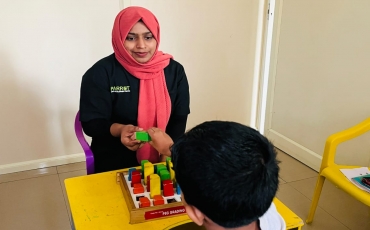
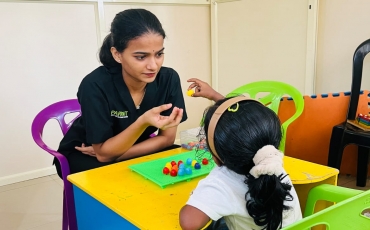
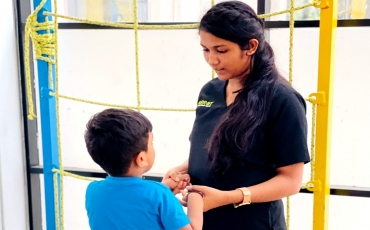
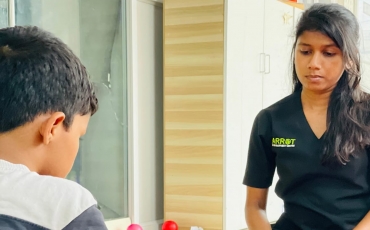
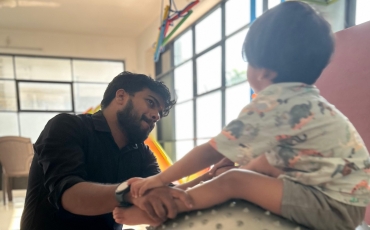
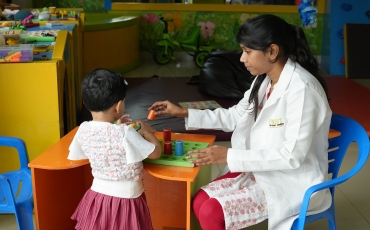
At Parrot Child Development Centre in Calicut, speech and language services are provided for children with a range of communication needs. Speech-language professionals can assess areas such as speech sound production, articulation, receptive and expressive language, fluency, voice, and communication skills.
Parents looking for Speech Therapy in Calicut can seek an individualized assessment to understand whether their child's speech patterns are part of typical development or require additional support.
The focus of therapy is based on the child's individual communication needs rather than using the same approach for every child.
Frequently Asked Questions
Is it normal for children to mispronounce words?
Yes. Young children commonly make some speech sound errors while their speech system is developing. However, persistent or unexpected errors may require professional assessment.
What is a speech sound disorder?
A speech sound disorder involves difficulties with producing or organizing speech sounds. It may involve articulation, phonological patterns, or both.
Can speech therapy help pronunciation problems?
Speech therapy can help children work on speech sound production, sound patterns, speech clarity, and communication skills. The specific treatment approach depends on the child's assessment.
Should I wait for my child to outgrow pronunciation problems?
Some developmental speech errors resolve naturally. However, if your child's speech is difficult to understand or you are concerned about persistent speech sound difficulties, speaking with a speech-language pathologist can help determine whether assessment or therapy is appropriate.
Where can I find speech therapy for children in Calicut?
Parents looking for Speech Therapy for Children in Calicut can consult a qualified speech-language professional for an individualized assessment and treatment plan.
Conclusion
Speech sound difficulties can affect how clearly a child communicates, but not every pronunciation error means that a child has a disorder.
Understanding the difference between typical speech development and persistent speech sound difficulties is important. If your child's speech is consistently difficult to understand, certain sounds are repeatedly substituted or omitted, or communication is becoming frustrating, a professional assessment can provide useful guidance.
With individualized support and appropriate speech therapy for children, children can work on their speech sound production and develop clearer, more effective communication.
For parents looking for Speech Therapy in Calicut, Parrot Child Development Centre provides speech and language support based on each child's individual communication needs.