Speech Delay vs Language Delay in Children: What Parents Should Know
Parents often become concerned when their child is not speaking as expected for their age. Some children may find it difficult to pronounce words clearly, while others may struggle to understand instructions, learn new words, or express their needs. These concerns can sometimes be described as speech delay or language delay, but the two terms do not mean exactly the same thing.
Understanding the difference between speech delay vs language delay in children can help parents recognise communication concerns and seek the right professional guidance. Every child develops at an individual pace, but persistent difficulties with communication deserve attention rather than a wait-and-see approach without guidance.
What Is Speech Development?
Speech refers to the sounds children produce when they talk. It involves coordinating the lips, tongue, jaw, and other structures to produce understandable words.
A child experiencing speech difficulties may understand what others say and know which words they want to use, but may have trouble pronouncing those words clearly. For example, a child might replace one sound with another, leave sounds out of words, or be difficult for unfamiliar listeners to understand.
Speech development includes learning how to produce sounds and gradually making speech clearer as a child grows. However, the expected range of speech sounds changes with age, so an individual concern should be assessed in the context of the child's overall development.
What Is Language Development?
Language is the system children use to understand and communicate meaning. It includes vocabulary, understanding words and sentences, combining words, and using language in everyday interactions.
Language development has two important parts:
-
Receptive language: Understanding what other people communicate, including words, questions, and instructions.
-
Expressive language: Using words, gestures, and sentences to express thoughts, feelings, needs, and ideas.
A child with language difficulties may understand fewer words than expected, have trouble following familiar instructions, use fewer words to communicate, or find it difficult to combine words into meaningful sentences.
Language is not limited to spoken words. Children can also communicate through gestures, facial expressions, signs, and other communication methods.
Speech Delay vs Language Delay: Key Differences
Although speech and language are closely connected, they describe different aspects of communication.
1. Difficulty Producing Speech Sounds
A child with speech-related difficulties may know what they want to say but struggle to pronounce certain sounds or words clearly. Parents might notice that the child uses simplified versions of words or that unfamiliar people have difficulty understanding them.
These observations do not automatically mean a child has a speech delay. A speech-language professional can assess whether the child's speech sound development is appropriate for their age and communication history.
2. Difficulty Understanding Language
A child with receptive language difficulties may struggle to understand familiar words, questions, or age-appropriate instructions. They may need additional support to understand what is being communicated.
For example, a child may have difficulty following a familiar two-step instruction even when the situation is familiar. This is only an example, not a diagnosis, and expectations depend on the child's age and developmental context.
3. Difficulty Expressing Thoughts and Needs
Children with expressive language difficulties may use fewer words than expected, struggle to combine words, or find it difficult to explain what they want.
Some children may communicate effectively using gestures but have difficulty developing spoken words and sentences. Others may use words but find it difficult to organise them into meaningful messages.
4. Speech and Language Difficulties Can Occur Together
Speech and language difficulties are not always separate. A child may experience challenges with both understanding or using language and producing clear speech sounds.
This is one reason why professional assessment is helpful. Looking only at how clearly a child speaks may not provide a complete picture of their communication development.
Common Signs Parents May Notice
Every child develops differently, and no single behaviour confirms a speech or language delay. However, parents may want to seek professional advice if they notice persistent concerns such as:
-
Limited use of words or gestures to communicate needs.
-
Difficulty understanding familiar words or simple instructions.
-
Limited progress in learning new words or combining words.
-
Speech that is difficult for others to understand compared with what is expected for the child's age.
-
Difficulty answering simple questions or participating in everyday conversations as expected for their developmental stage.
-
Frustration because the child cannot communicate wants or needs effectively.
Parents should also seek prompt professional evaluation if a child loses words, communication skills, or other abilities they previously had. Do not wait for a routine milestone if there is a loss of previously acquired skills.
What Causes Speech or Language Delays?
Speech and language difficulties can have different contributing factors. These may include hearing difficulties, differences in speech sound development, broader developmental conditions, or difficulties with understanding and using language.
In some cases, the reason is not immediately clear. A qualified professional can help assess the child's communication abilities and determine whether further evaluation is needed.
Growing up with more than one language does not, by itself, cause a language delay. Children may use different words in different languages, and their overall communication should be considered across the languages they hear and use.
Parents should avoid comparing children too closely with siblings or other children. Instead, consider the child's developmental progress and seek guidance when concerns persist.
Why Early Speech and Language Assessment Matters
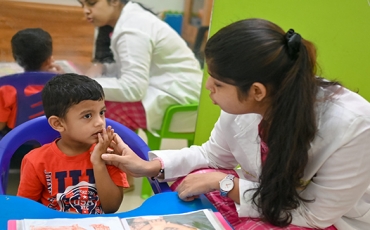
An assessment helps identify a child's current communication strengths and areas where support may be useful. It may include observing how the child communicates, understanding what the child can comprehend, listening to speech sounds, and discussing developmental history with parents.
A professional may also recommend a hearing assessment or other evaluation when appropriate.
An assessment does not mean that every child will need ongoing therapy. It helps families understand the child's needs and make informed decisions about the next steps.
If you are concerned about speech delay in children, it is better to discuss those concerns with a qualified professional than to rely solely on online milestone lists or advice from others.
How Speech and Language Therapy Can Help
Speech and language therapy is tailored to a child's individual communication needs. Depending on the assessment, support may focus on speech sounds, vocabulary, understanding language, combining words, social communication, or other relevant skills.
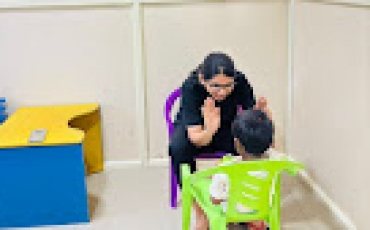
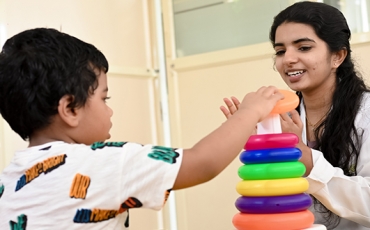
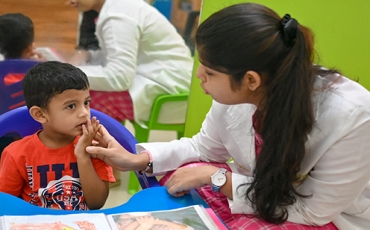
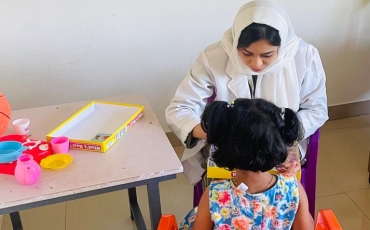
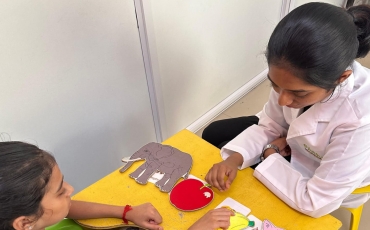
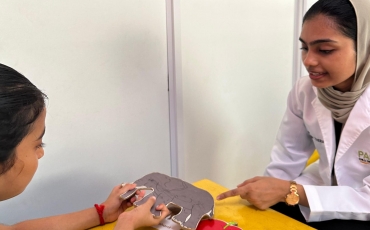
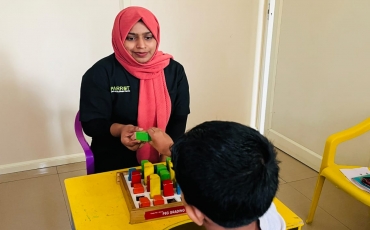
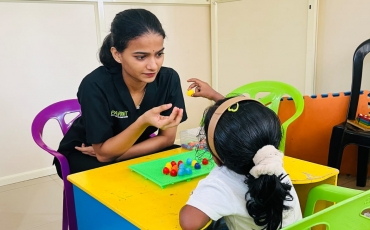
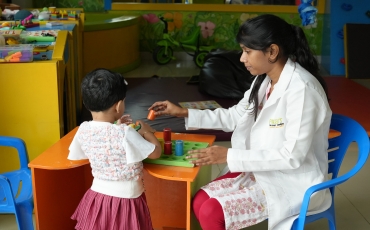
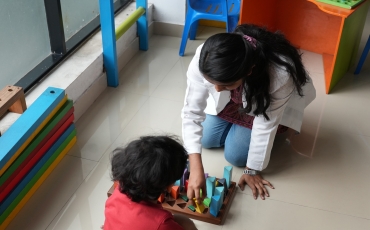
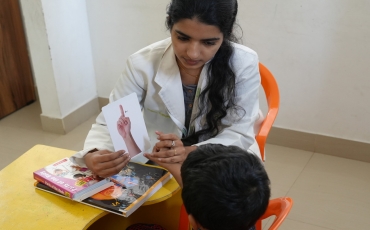
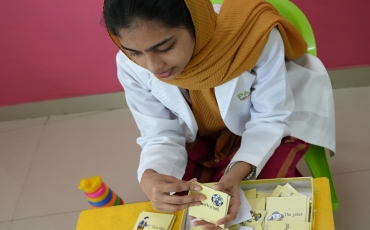
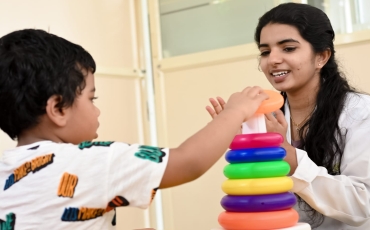
Sessions may involve play-based activities, pictures, books, conversation, and everyday communication tasks. Activities are selected according to the child's developmental level and goals.
Parents can also receive guidance on supporting communication at home. Progress varies from child to child, and therapy goals should be based on individual assessment rather than a guaranteed timeline.
Families looking for Speech and Language Therapy for Children can explore appropriate professional services and discuss their concerns with a qualified speech-language therapist.
How Parents Can Support Communication at Home
Everyday interactions offer valuable opportunities for children to practise communication. Parents do not need complicated activities to encourage language development.
Consider these simple strategies:
Talk during daily routines: Describe familiar activities such as getting dressed, eating, or playing. Use clear, natural language.
Read together: Look at picture books, name objects, describe actions, and allow the child time to respond.
Follow the child's interests: If a child is interested in a toy or picture, use that interest to encourage interaction and communication.
Give time to respond: Pause after asking a question or making a comment. Children may need extra time to process language and respond.
Expand what your child says: If a child says one word, you can respond with a slightly longer phrase. For example, if the child says “ball,” you might say, “Big ball” or “Roll the ball.”
Use the languages your family speaks naturally: Communicate in the languages you are comfortable using. Rich, meaningful interaction is more helpful than avoiding a home language out of fear that multilingualism causes delay.
These strategies can support communication, but they should not replace professional assessment when concerns are present.
Finding the Right Support for Your Child
If your child has difficulty speaking clearly, understanding language, or expressing needs, a professional assessment can help clarify the concern and identify suitable support.
Parents searching for a Child Speech Therapist in Kozhikode or Speech Therapy for Kids in Calicut should look for qualified professionals who assess the child's overall communication abilities, explain their findings clearly, and involve parents in setting appropriate goals.
At Parent Child Development Centre, families can enquire about available speech and language support and discuss their child's communication concerns with the relevant team.
Remember that speech development and language development are related but different. Understanding the distinction can help parents ask informed questions, recognise when support may be needed, and take a positive step towards helping their child communicate.
If you have concerns about your child's speech or language development, seek advice from a qualified professional rather than waiting for the concern to resolve on its own.\
Parents looking for a Pediatric Speech Therapy Center in Calicut should choose a centre that understands each child's individual communication needs. A professional assessment can help identify areas of difficulty and guide suitable speech and language therapy goals. At Parent Child Development Centre, families can enquire about available speech therapy services and discuss their child's communication concerns with the relevant team.