Child Speech Therapy Sessions: What Parents Can Expect
When a child has difficulty expressing needs, learning new words, understanding language, or speaking clearly, parents may wonder what happens during speech therapy. Understanding the process can make the experience less stressful and help families feel more prepared to support their child's communication development.
Child speech therapy sessions are planned around a child's individual communication needs, developmental level, interests, and goals. There is no single approach that works for every child. Some children may need support with speech sounds, while others may benefit from activities that develop vocabulary, language understanding, or everyday communication.
Knowing what to expect can help parents participate confidently and understand how therapy may support their child's progress.
What Is Child Speech Therapy?
Child speech therapy focuses on helping children develop communication skills appropriate to their individual needs. Depending on the assessment, this may include speech sound production, understanding language, expressing ideas, using words and sentences, or communicating during everyday activities.
Speech and language difficulties can look different from one child to another. A child may understand instructions but struggle to pronounce certain sounds. Another child may have difficulty learning words, combining them into sentences, or communicating wants and needs.
A qualified speech-language therapist assesses these areas and identifies suitable goals. Therapy activities are then selected according to the child's strengths and support needs.
What Happens Before the First Therapy Session?
Before beginning a therapy programme, a professional may recommend a speech and language assessment. This helps establish the child's current communication abilities and determine what kind of support may be appropriate.
During the assessment process, the therapist may:
-
Ask parents about the child's developmental and communication history.
-
Discuss the languages spoken and understood at home.
-
Observe how the child communicates during play or interaction.
-
Explore speech sounds, vocabulary, and language understanding as appropriate.
-
Discuss the child's interests, strengths, and everyday communication challenges.
-
Recommend further evaluation, including a hearing assessment, when needed.
The assessment process varies according to the child's age and needs. Some children may require additional evaluation before therapy goals are finalised.
Parents should share their observations openly, including what the child can do at home, how they communicate with familiar people, and any changes in previously acquired skills.
How Does a Child Speech Therapy Session Usually Begin?
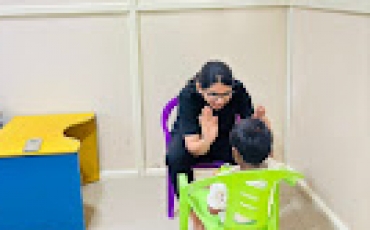
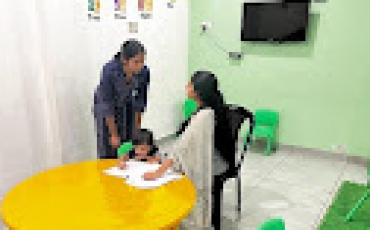
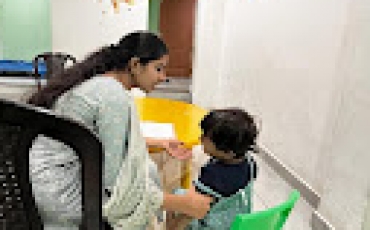
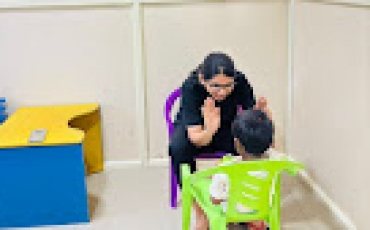
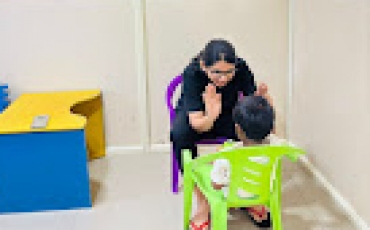
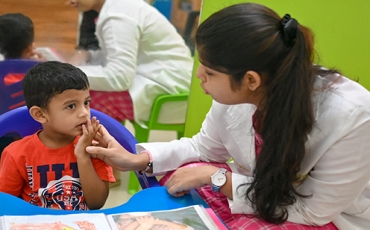
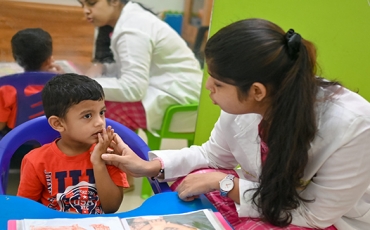
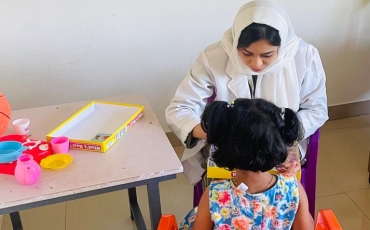
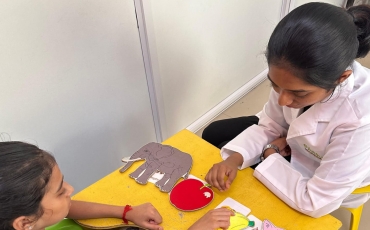
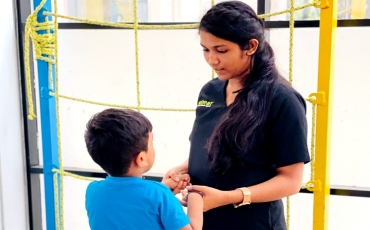
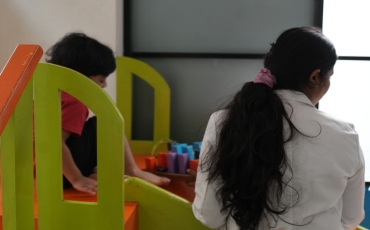
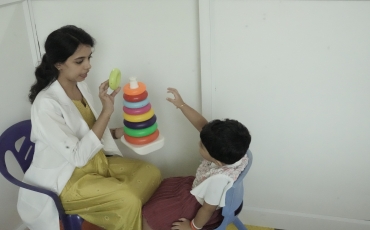
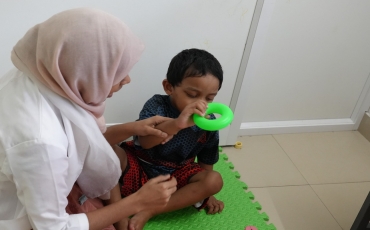
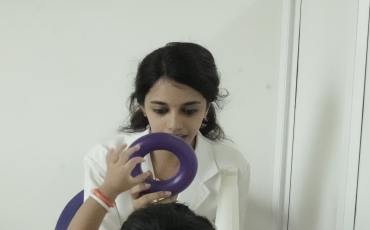
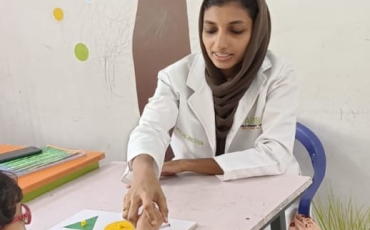
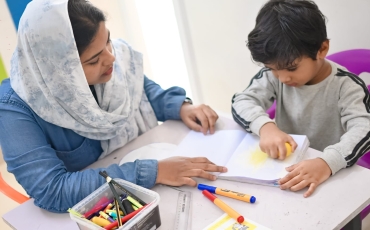
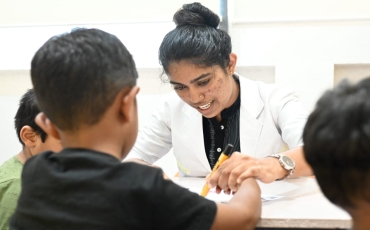
A therapy session often begins with activities that help the therapist connect with the child and understand their readiness to participate. For younger children, this may involve toys, picture books, familiar objects, or play-based interaction.
The therapist may observe how the child responds to instructions, requests objects, takes turns, makes choices, or communicates interest. These interactions can provide opportunities to practise useful communication skills in a comfortable setting.
The activities depend on the child's goals. A child who is working on vocabulary may explore objects and name them, while a child working on speech sounds may practise specific sounds within words and short phrases.
The aim is to create meaningful opportunities for communication rather than expecting every child to complete the same set of exercises.
Common Activities Used in Child Speech Therapy Sessions
1. Play-Based Communication Activities
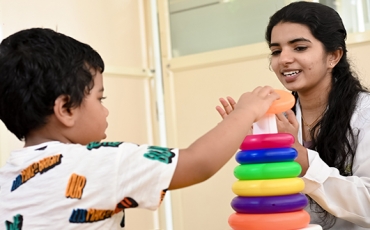
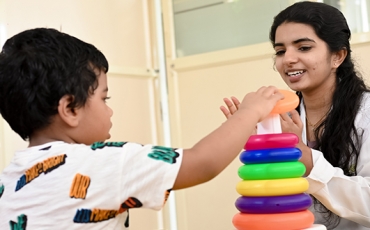
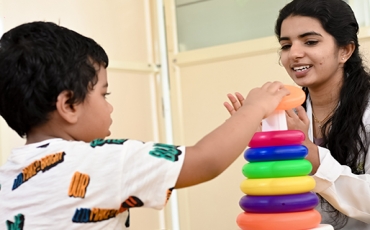
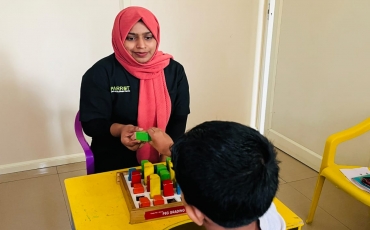
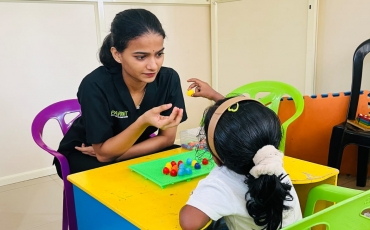
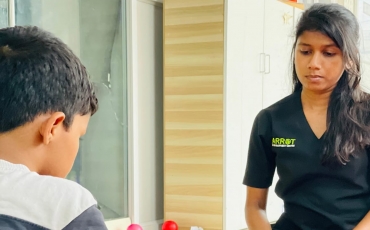
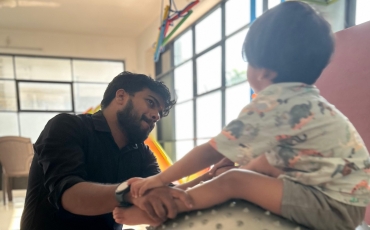
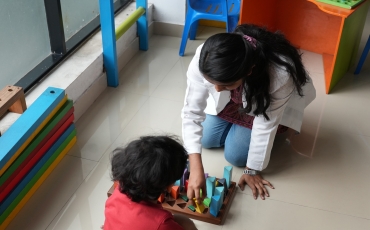
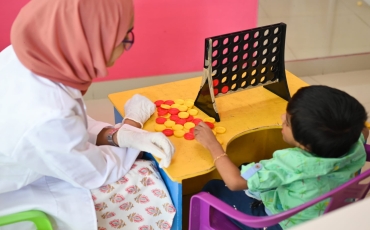
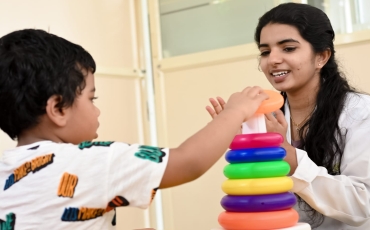
Play can create natural opportunities for children to practise communication. Activities might include building blocks, pretend play, puzzles, toy animals, or simple games.
The therapist may encourage the child to request an item, make a choice, name an object, respond to a question, or take turns. The activity is selected according to the child's developmental level and therapy goals.
2. Vocabulary and Language Development
Children who need support with language may practise understanding and using words related to familiar objects, actions, people, and routines.
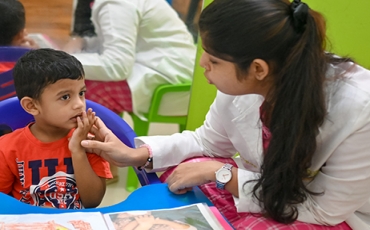
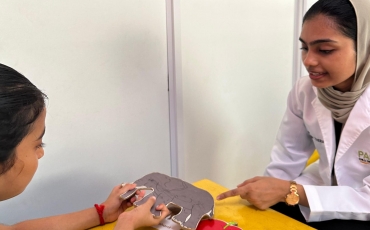
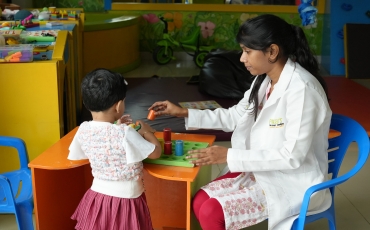
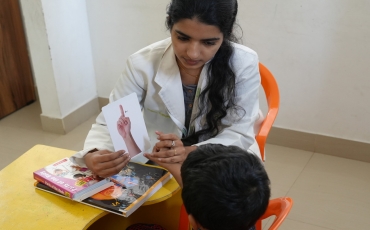
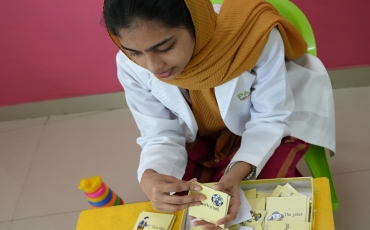
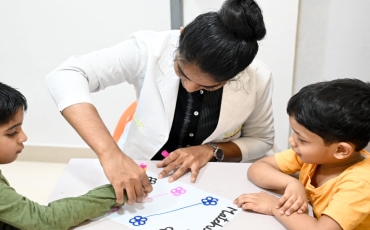
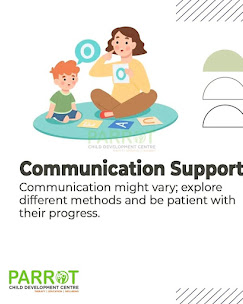
A therapist may use pictures, books, objects, or everyday situations to introduce and reinforce vocabulary. Depending on the child's needs, activities may also focus on combining words, understanding questions, following instructions, or developing longer sentences.
3. Speech Sound Practice
For children who have difficulty producing certain speech sounds, therapy may involve listening to sounds, learning how to produce them, and practising them in words or phrases.
The therapist selects targets based on the child's speech assessment and developmental level. Practice usually progresses according to the child's needs rather than following a fixed timeline.
4. Listening and Understanding Activities
Some children benefit from activities that support receptive language, or understanding what other people communicate.
For example, a therapist may use pictures or familiar objects to practise identifying items, understanding concepts, responding to questions, or following suitable instructions. The difficulty level is adjusted as the child develops their skills.
5. Everyday Communication and Social Interaction
Communication involves more than saying words correctly. Children also learn to take turns, share attention, express preferences, ask for help, and participate in interactions.
Depending on the child's goals, therapy may include practising these skills through play and everyday communication situations.
Not every child needs all these activities. The therapist chooses the approaches that are relevant to the individual assessment.
How Long Does Speech Therapy Take?
The duration of speech therapy varies from child to child. It depends on the nature of the communication difficulty, the child's individual goals, their response to therapy, and opportunities to practise skills outside sessions.
Some goals may involve learning a specific communication skill, while others require ongoing support and gradual progress over time. The number and frequency of sessions should be discussed with the treating professional.
Parents should be cautious about promises of guaranteed results within a particular number of sessions. A child's progress is best reviewed against their individual goals and observed communication changes.
How Can Parents Support Speech Therapy at Home?
Parents play an important role in supporting communication between therapy sessions. Home activities do not need to be complicated or feel like formal lessons.
Talk during everyday routines: Describe what you and your child are doing during meals, dressing, bathing, or play.
Read picture books together: Name familiar objects, talk about what is happening in pictures, and give your child time to respond.
Follow your child's interests: Use favourite toys, activities, and books to create natural opportunities for interaction.
Offer choices: Ask whether your child wants one item or another, and allow time for them to communicate their choice in their own way.
Respond and expand: If your child uses a word or short phrase, respond naturally with a slightly longer phrase when appropriate.
Practise therapist-recommended activities: Ask the therapist which strategies are suitable for your child. Short, regular opportunities during daily routines may be easier to maintain than lengthy practice sessions.
Avoid pressuring a child to repeat words repeatedly or comparing their progress with another child's development. Follow the individual guidance provided by the therapist.
How Can Parents Recognise Progress?
Progress does not always mean that a child suddenly begins speaking in long sentences. Depending on the child's goals, improvements may include using gestures more purposefully, learning new words, understanding familiar instructions, expressing needs more clearly, or becoming more willing to communicate.
Parents can share examples of changes they notice at home with the therapist. These observations help the team understand how the child uses communication outside the therapy setting.
Progress may happen gradually and can vary across different skills. Regular review of therapy goals helps determine whether activities should continue or be adjusted.
Choosing the Right Speech Therapy Support in Calicut
Parents looking for Speech Therapy for Kids in Calicut should consider whether the service offers an appropriate assessment, individualised goals, clear communication with families, and guidance for supporting the child's development at home.
A qualified professional should explain the child's communication needs in understandable terms and discuss suitable next steps. Families should feel comfortable asking questions about the assessment, therapy approach, progress reviews, and parent involvement.
A Pediatric Speech Therapy Center in Calicut may be a useful starting point for families seeking support, but the most appropriate service depends on the child's individual needs and the qualifications and services available at the centre.
At Parent Child Development Centre, parents can enquire about available speech and language therapy services and discuss their child's communication concerns with the relevant team.
When Should Parents Seek Professional Guidance?
If a child has persistent difficulty understanding language, expressing needs, learning words, or producing speech sounds, parents should consider consulting a qualified professional. A speech and language assessment can help clarify the child's communication profile and whether therapy or additional evaluation may be appropriate.
If a child loses previously acquired words or communication abilities, seek prompt professional evaluation rather than waiting for a routine appointment.
Every child develops differently, and early guidance can help families understand their options. With suitable assessment, individualised support, and collaboration between professionals and parents, children can be supported in developing communication skills that are meaningful in their everyday lives.