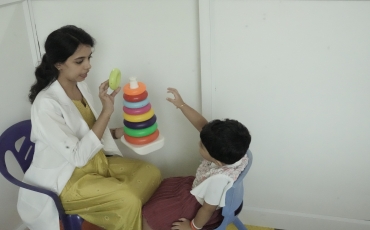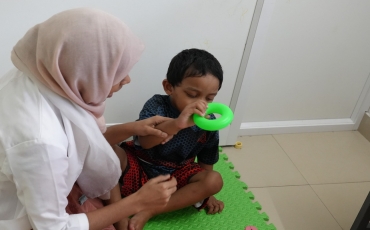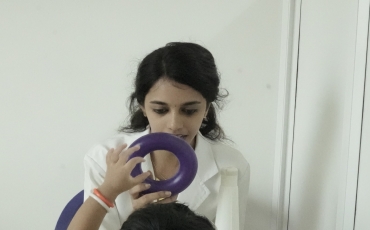
Pediatric Speech Therapy in Calicut: A Complete Guide for Parents
Children develop speech and language skills at different rates. Some children begin speaking early, while others take longer to develop their vocabulary, pronunciation, or communication skills. When parents notice that their child's communication development is not progressing as expected, they may wonder whether professional support is needed.
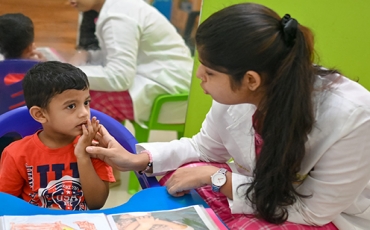
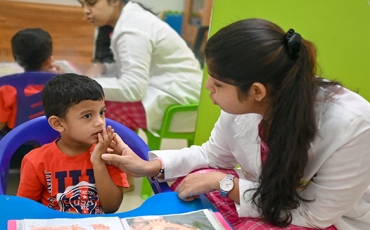
Pediatric speech therapy in Calicut can help children who experience difficulties with speech, language, communication, fluency, voice, or social communication.
Speech therapy is not only about helping a child pronounce words correctly. A speech-language professional looks at how a child understands language, communicates with others, expresses thoughts and needs, and participates in everyday interactions.
What Is Pediatric Speech Therapy?
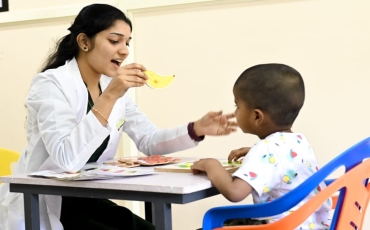
Pediatric speech therapy is professional support designed to address speech, language, and communication difficulties in children.
Depending on the child's individual needs, therapy may focus on:
- Speech sound and pronunciation
- Understanding language
- Expressing thoughts and ideas
- Vocabulary development
- Sentence formation
- Social communication
- Fluency
- Voice
- Communication skills in everyday situations
The specific goals of therapy depend on the child's assessment rather than using the same approach for every child.
Which Children May Benefit From Speech Therapy?
Children may benefit from an assessment when parents, teachers, or other professionals notice persistent concerns about communication.
A child may have:
- Delayed speech development
- Limited vocabulary
- Difficulty forming sentences
- Difficulty understanding instructions
- Speech sound difficulties
- Stammering or fluency difficulties
- Difficulty communicating wants and needs
- Difficulty participating in conversations
- Social communication difficulties
- Communication difficulties associated with developmental conditions
A child does not need to have a diagnosed condition before parents can consult a speech-language professional.
Signs Your Child May Need Speech Therapy
Parents may consider seeking professional guidance if their child:
Uses Very Few Words
If a child is using considerably fewer words than expected for their developmental stage, an assessment can help identify the reason.
Is Difficult to Understand
Some children may know what they want to say but have difficulty producing certain speech sounds clearly.
Has Difficulty Understanding Language
Communication difficulties are not always about speaking. A child may also struggle to understand instructions, questions, concepts, or everyday language.
Has Difficulty Expressing Needs
A child who frequently becomes frustrated because they cannot communicate what they want may benefit from an assessment.
Has Difficulty With Social Communication
Some children may find it difficult to initiate interaction, take turns, respond to others, maintain conversations, or use communication appropriately in social situations.
Has Stopped Using Previously Learned Skills
A noticeable loss of previously acquired communication skills should be discussed with an appropriate healthcare or developmental professional.
What Happens During a Pediatric Speech Therapy Assessment?
Before starting therapy, a speech-language pathologist may assess several aspects of the child's communication.
This may include:
- Receptive language
- Expressive language
- Vocabulary
- Speech sounds
- Sentence formation
- Fluency
- Social communication
- Play and interaction
- Functional communication
Parents may also be asked about the child's developmental history, communication at home, concerns they have noticed, and situations in which communication is easier or more difficult.
A hearing evaluation may also be considered when appropriate because hearing difficulties can affect speech and language development.
The assessment helps the therapist understand the child's strengths and areas where additional support may be useful.
How Can Speech Therapy Help Children?
The goals of therapy vary from child to child.
1. Improving Speech Clarity
Children with speech sound difficulties may work on producing specific sounds more clearly and using them correctly in words and conversation.
2. Building Vocabulary
Therapy can help children learn and use words related to people, objects, actions, places, and everyday experiences.
3. Developing Language Skills
Children may receive support with understanding and using sentences, answering questions, describing events, and expressing ideas.
4. Supporting Functional Communication
The goal is to help children communicate meaningfully in everyday life.
This may include learning to:
- Request something
- Ask for help
- Make choices
- Answer questions
- Comment
- Share information
- Express feelings
5. Supporting Social Communication
Some children need additional support with conversation, turn-taking, interaction, joint attention, and other social communication skills.
6. Supporting Fluency
Children experiencing stammering or other fluency difficulties may receive individualized support based on their communication needs.
Speech Therapy for Toddlers and Young Children
Parents sometimes believe that speech therapy is only necessary when children reach school age.
However, concerns can be discussed with a professional earlier.
Speech Therapy for Children in Calicut may be considered for toddlers and preschool children when there are concerns about speech, language, or communication development.
Early assessment can help parents understand their child's current communication skills and learn practical ways to support language development during everyday activities.
Speech Therapy and Autism
Some autistic children may have differences in speech, language, or social communication. However, autism does not affect every child's communication in the same way.
Depending on the child's needs, speech-language therapy may support:
- Functional communication
- Understanding and using language
- Social communication
- Conversation skills
- Speech production
- Alternative and augmentative communication (AAC), when appropriate
Speech therapy should be individualized according to the child's communication profile.
Parents concerned about autism or developmental differences can seek a broader developmental assessment rather than assuming that speech delay alone indicates autism.
How Parents Can Support Speech and Language Development at Home
Professional therapy is only one part of a child's communication development. Everyday interaction at home can also provide valuable opportunities for communication.
Talk During Daily Activities
Describe what you and your child are doing during meals, bathing, dressing, shopping, and play.
Read Together
Picture books can provide opportunities to introduce vocabulary, ask questions, describe pictures, and talk about stories.
Follow Your Child's Interests
If your child is interested in cars, animals, blocks, or drawing, use that activity to introduce and repeat useful language.
Give Choices
Instead of asking only yes-or-no questions, offer simple choices:
“Do you want apple or banana?”
This creates an opportunity for the child to communicate a preference.
Give Your Child Time to Respond
After asking a question or making a comment, allow enough time for the child to respond rather than answering immediately for them.
How to Choose a Pediatric Speech Therapist in Calicut
Parents looking for a Pediatric Speech Therapist in Calicut can consider several factors before choosing a centre.
Look for:
- Qualified speech-language professionals
- Appropriate assessment before therapy
- Individualized therapy goals
- Parent involvement
- Child-friendly therapy approaches
- Communication between therapist and parents
- A multidisciplinary approach when additional developmental support is required
The right approach depends on the child's individual communication needs rather than simply the number of therapy sessions offered.
Pediatric Speech Therapy in Calicut at Parrot Child Development Centre
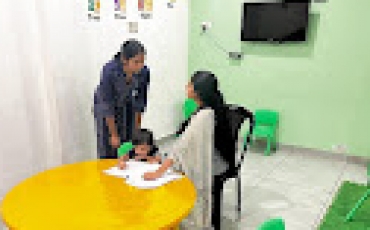
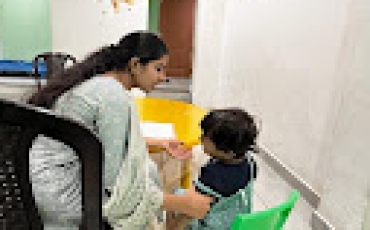
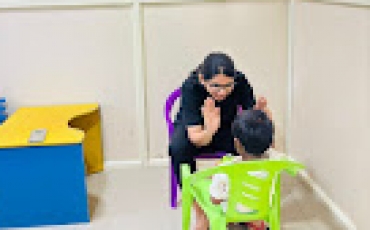
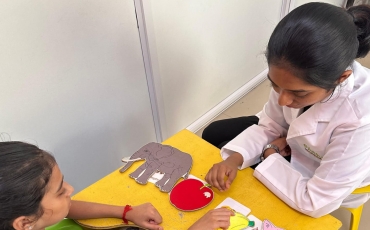
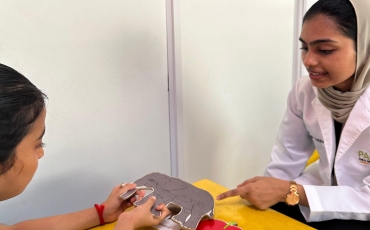
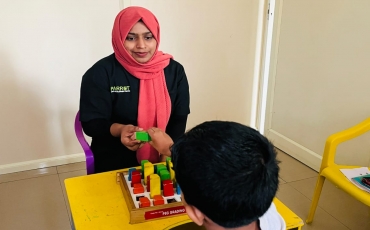
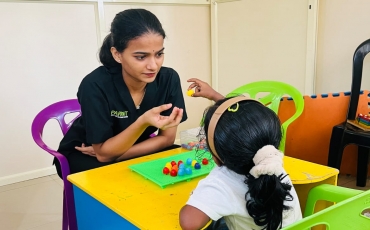
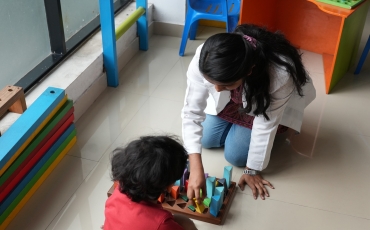
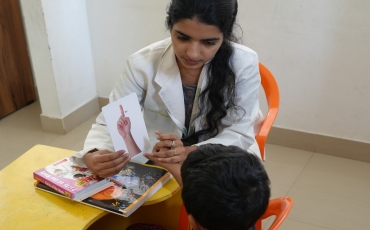
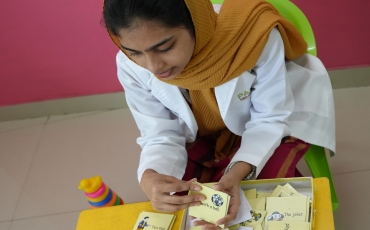
Parents searching for Pediatric Speech Therapy in Calicut can consider professional assessment and therapy at Parrot Child Development Centre in Kozhikode.
Parrot's Speech Therapy service focuses on children's speech, language, and communication needs, including areas such as articulation, receptive and expressive language, social interaction, fluency, voice production, and related communication skills.


7
The centre takes an assessment-based approach so that therapy can be planned according to the individual child's strengths, difficulties, and communication goals.
Parents can learn more about Speech Therapy in Calicut through the centre's speech therapy service page.
Frequently Asked Questions
At what age should a child see a speech therapist?
There is no single age at which every child should begin speech therapy. If parents have concerns about speech, language, understanding, or communication, they can discuss those concerns with a qualified professional.
Is speech therapy only for children who cannot speak?
No. Speech therapy can support children who have difficulties with speech sounds, language, fluency, voice, social communication, or other communication skills.
Can speech therapy help a child with speech delay?
Depending on the reason for the delay and the child's individual profile, speech-language therapy may help develop communication skills.
Is speech therapy useful for autistic children?
Some autistic children may benefit from speech-language therapy, particularly when they have communication or social communication difficulties. Therapy should be individualized to the child's needs.
How long does speech therapy take?
There is no fixed duration for every child. Therapy goals, frequency, progress, and the child's individual needs all influence the duration of support.
Conclusion
Communication plays an important role in a child's learning, relationships, independence, and everyday participation. When parents notice persistent concerns about speech or language development, seeking professional guidance can help them understand what their child needs.
Pediatric Speech Therapy in Calicut can support children with a range of speech, language, and communication difficulties. An individualized assessment can help determine appropriate therapy goals and practical ways parents can support communication at home.
For families looking for Speech Therapy for Children in Calicut or Speech Therapy in Calicut, professional assessment at a child development centre can be an important first step toward understanding and supporting a child's communication development.