Nail Biting in Children: Causes, Triggers and Helpful Strategies for Parents
Nail biting is a common habit among children. While occasional nail biting may not be a serious concern, frequent or persistent nail biting can sometimes be linked to emotional, behavioral, or sensory needs.
Children may bite their nails when they feel stressed, anxious, bored, frustrated, excited, or uncomfortable. In some cases, the habit becomes automatic, meaning the child may bite their nails without even realizing it.
For children with neurodevelopmental conditions such as Autism Spectrum Disorder (ASD) or Attention-Deficit/Hyperactivity Disorder (ADHD), nail biting may also be associated with sensory regulation or difficulties managing emotions.
Understanding why a child bites their nails is an important first step toward helping them develop healthier habits.
Why Do Children Bite Their Nails?
There is no single reason why children develop a nail-biting habit. Different children may have different triggers.
Some common reasons include:
1. Stress and Anxiety
Children may bite their nails when they feel nervous, worried, or uncomfortable.
For example, nail biting may increase:
- Before school
- During examinations
- In unfamiliar situations
- During social situations
- When meeting new people
- During stressful family situations
The repetitive action may provide temporary comfort for some children.
2. Boredom
Some children bite their nails when they have nothing to do. The habit can become an automatic activity while watching television, travelling, waiting, or sitting quietly.
3. Frustration
Children who find it difficult to express frustration or manage difficult emotions may develop repetitive habits such as nail biting.
For example, a child may bite their nails when they cannot complete a task or when something does not happen as expected.
4. Habit or Automatic Behaviour
Sometimes nail biting starts because of a temporary situation but gradually becomes a habit.
The child may eventually bite their nails without consciously thinking about it.
5. Sensory Needs
Some children seek particular sensations through repetitive behaviours. Nail biting may provide oral or tactile sensory input that feels calming or regulating.
This can be particularly relevant for some children who have sensory processing difficulties.
6. Emotional Regulation Difficulties
Children are still learning how to identify and manage emotions.
When they do not yet have effective ways to cope with feelings such as anxiety, anger, frustration, or excitement, repetitive behaviours may sometimes become a way of self-regulation.
When Does Nail Biting Usually Happen?
Parents can learn a lot by observing when nail biting occurs.
Ask yourself:
- Does my child bite their nails while watching television?
- Does it happen during homework?
- Does it increase when the child is anxious?
- Does it happen during unfamiliar situations?
- Does it occur when the child is bored?
- Does it happen when the child is frustrated?
- Does it increase in noisy or crowded environments?
Identifying these patterns can help parents understand the possible trigger behind the behaviour.
Nail Biting and Autism or ADHD
Nail biting can occur in any child and does not by itself indicate autism or ADHD.
However, some children with Autism Spectrum Disorder or ADHD may display repetitive behaviours or habits as part of their individual emotional or sensory regulation needs.
A child may bite their nails when they are:
- Overwhelmed by sensory input
- Anxious about a change in routine
- Unable to communicate their feelings
- Seeking sensory stimulation
- Having difficulty staying regulated
- Bored or under-stimulated
Therefore, it is important to look at the child's overall development and behaviour rather than considering nail biting in isolation.
Is Nail Biting Harmful?
Occasional nail biting may not cause significant problems. However, frequent or severe nail biting can sometimes lead to physical complications.
These may include:
- Sore or damaged nails
- Bleeding around the nails
- Damaged skin
- Nail infections
- Pain around the fingertips
- Damage to the surrounding skin
Children who frequently put their fingers in their mouths may also transfer germs from their hands to their mouth.
If nail biting is causing physical injury or becoming difficult for the child to control, professional guidance may be helpful.
How Can Parents Help Stop Nail Biting?
The goal should not simply be to force the child to stop. Instead, parents should try to understand the reason behind the behaviour and provide healthier alternatives.
1. Identify the Trigger
Observe when the nail biting occurs.
Try to identify what happens immediately before the behaviour.
For example, if your child bites their nails mainly during homework, the behaviour may be associated with frustration or difficulty with the task.
Understanding the trigger makes it easier to choose an appropriate strategy.
2. Avoid Frequent Scolding
Repeatedly saying "Stop biting your nails" may increase stress or draw more attention to the behaviour.
Instead, remain calm and gently redirect the child toward another activity.
3. Keep Nails Short
Keeping the child's nails trimmed can reduce the opportunity for biting and also minimize potential damage.
4. Provide Alternative Activities
Offer activities that keep the child's hands busy, such as:
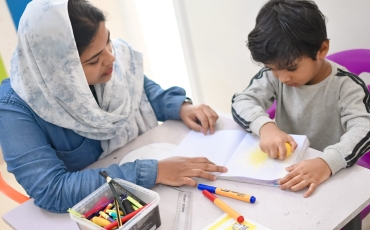
- Drawing
- Colouring
- Clay activities
- Building blocks
- Puzzles
- Craft activities
- Age-appropriate fidget activities
- Stress balls
The best alternative depends on the child's age and individual preferences.
5. Teach Healthy Coping Strategies
Children can be taught simple ways to manage stress and frustration.
Depending on their age, these may include:
- Deep breathing
- Taking a short break
- Asking for help
- Talking about feelings
- Physical activity
- Quiet relaxation activities
6. Use Positive Reinforcement
Notice and praise the child when they manage to keep their hands away from their mouth.
For example:
"I noticed you were feeling nervous, but you kept your hands busy. Well done!"
Positive reinforcement can encourage children to repeat healthier behaviours.
7. Maintain a Predictable Routine
Children who become anxious with uncertainty may benefit from predictable daily routines.
Consistent routines around school, meals, homework, play, and bedtime can provide a greater sense of security.
When Should Parents Seek Professional Help?
Most children with occasional nail biting do not require professional treatment.
However, parents should consider seeking professional guidance if:
- Nail biting is frequent or severe
- The child causes bleeding or injury
- There are repeated nail or skin infections
- The behaviour is difficult to interrupt
- Nail biting affects school or social activities
- The child appears highly anxious or distressed
- There are other significant behavioural concerns
- The child has difficulty managing emotions
- Other repetitive or sensory behaviours are also present
A professional assessment can help identify whether the behaviour is related to anxiety, emotional regulation, sensory needs, habit patterns, or another underlying concern.
How Behaviour Therapy Can Help
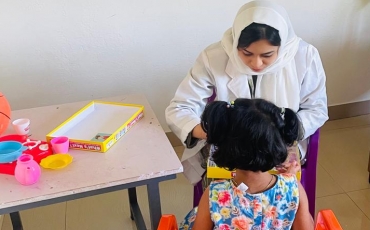
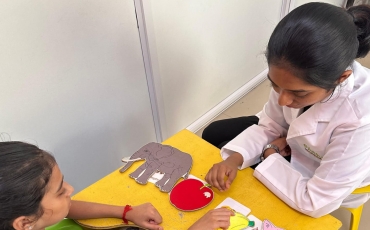
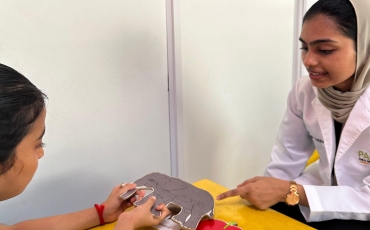
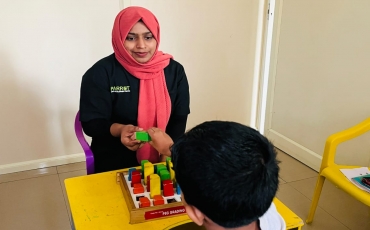
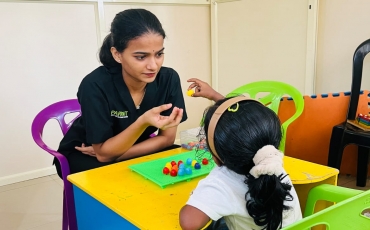
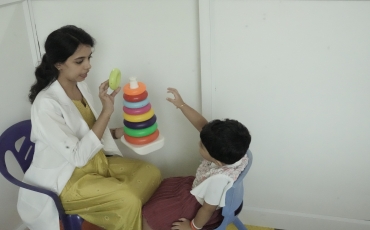
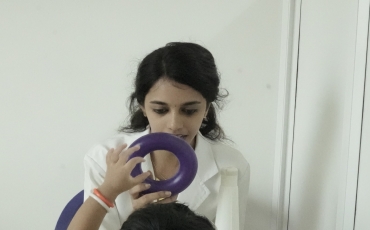
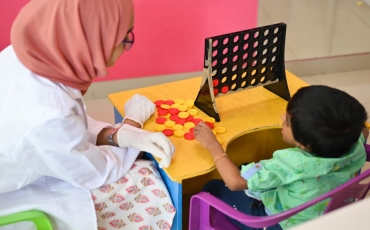
For children whose nail biting is strongly linked to behavioural or emotional triggers, a psychologist or behaviour therapist can help identify the factors maintaining the behaviour.
Intervention may include:
- Identifying triggers
- Teaching alternative behaviours
- Positive reinforcement
- Emotional regulation strategies
- Parent guidance
- Habit reversal strategies
- Developing healthier coping skills
For families seeking professional support, Behavioral Therapy in Kozhikode may be considered when persistent nail biting occurs alongside broader behavioural or emotional difficulties.
How Occupational Therapy May Help With Sensory Needs
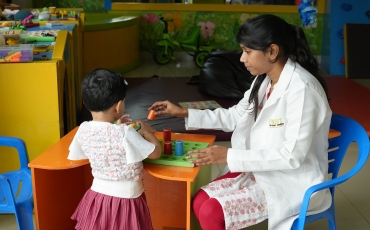
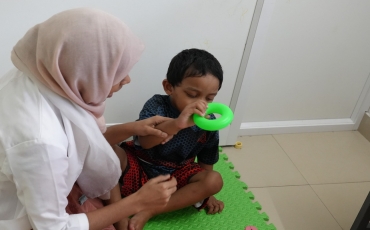
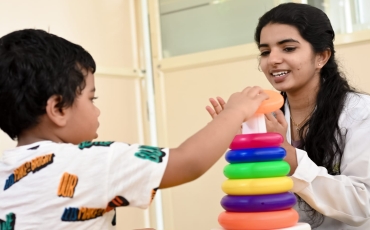
If nail biting appears to be related to sensory processing or sensory-seeking behaviour, an occupational therapist can assess the child's sensory needs.
Occupational therapy may focus on helping the child:
- Understand and respond to sensory input
- Develop appropriate sensory regulation strategies
- Improve body awareness
- Participate more comfortably in daily activities
- Use suitable alternatives to repetitive sensory behaviours
For children with significant sensory concerns, Occupational Therapy in Kozhikode may provide individualized support based on the child's developmental and sensory profile.
What Parents Should Avoid
Parents should avoid approaches that may increase fear, shame, or stress.
Avoid:
- Constantly scolding the child
- Making fun of the habit
- Punishing the child for nail biting
- Shaming the child in front of others
- Focusing only on stopping the behaviour without understanding the cause
A calm and supportive approach is generally more helpful.
Final Thoughts
Nail biting in children is a common behaviour, but persistent nail biting can sometimes provide clues about a child's emotional, behavioural, or sensory needs.
Instead of focusing only on stopping the habit, parents should try to understand why the child is biting their nails.
Identifying triggers, offering appropriate alternatives, encouraging healthy coping strategies, and using positive reinforcement can help many children gradually reduce nail biting.
If the behaviour is severe, causes physical injury, or occurs alongside significant emotional, behavioural, developmental, or sensory concerns, professional assessment can help identify the underlying needs and provide appropriate support.
With patience, understanding, and consistent guidance, children can learn