
How to Choose a Speech Therapy Centre in Kozhikode for Your Child
When a child experiences difficulty speaking clearly, understanding language, or expressing their needs, parents naturally want to find the right support. Choosing a suitable speech therapy service is an important step because every child's communication needs, strengths, and developmental journey are different.
For families exploring a Speech Therapy Centre in Kozhikode, it is helpful to understand what to look for before beginning therapy. The right service should focus on the child's individual needs, explain the assessment process clearly, and involve parents in supporting communication development.
Rather than choosing a centre based only on location or promises of quick results, parents can consider several practical factors to make an informed decision.
1. Check the Qualifications of the Speech-Language Therapist
One of the first things parents should check is the professional qualification of the person who will assess and work with their child.
Speech and language assessment requires appropriate training to understand different aspects of communication, including speech sound production, vocabulary, language comprehension, and expressive language.
Parents can ask about the therapist's qualifications, professional registration where applicable, experience working with children, and areas of practice. It is also reasonable to ask who will conduct the assessment and who will provide ongoing sessions.
Clear information about professional qualifications helps parents understand the type of support being offered and make an informed choice.
2. Look for an Individualised Assessment
Children may have similar communication concerns for different reasons. One child may have difficulty producing particular sounds, while another may struggle to understand instructions, learn new words, or combine words into sentences.
A suitable service should begin by understanding the child's communication abilities rather than assuming that every child needs the same therapy programme.
A speech therapy assessment may involve:
-
Discussing the child's developmental and communication history with parents.
-
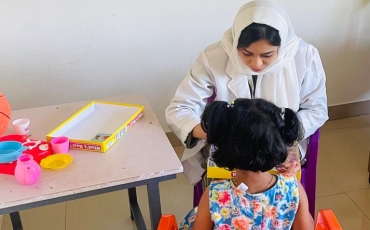
Observing how the child communicates during interaction or play.
-
Exploring speech sounds and language skills relevant to the concern.
-
Understanding the languages the child hears and uses.
-
Identifying strengths as well as areas where support may be useful.
-
Recommending further evaluation, such as a hearing assessment, when appropriate.
The assessment approach will vary depending on the child's age, developmental level, and individual needs.
3. Understand the Therapy Goals
Before starting regular sessions, parents should understand what the therapy programme aims to support.
Depending on the assessment, goals may focus on producing particular speech sounds, understanding language, learning vocabulary, combining words, expressing needs, or improving functional communication.
Ask the therapist to explain the goals in clear, everyday language. You should be able to understand what the child is working towards and how progress will be reviewed.
Goals should be realistic and relevant to the child's daily life. Be cautious of services that guarantee specific outcomes or promise that every child will start speaking within a fixed number of sessions.
Children progress at different rates, and therapy goals may need to change as new skills develop.
4. Consider How the Therapist Interacts with Your Child
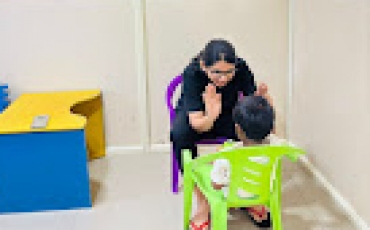
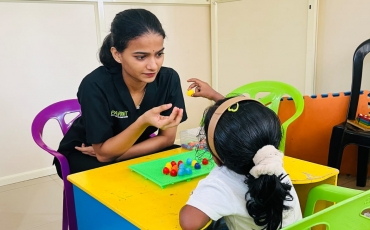
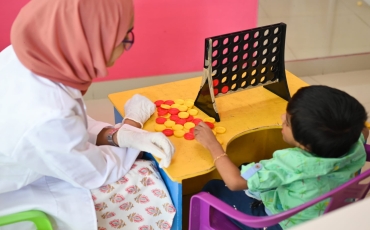
A child's comfort and participation can influence how they engage in therapy activities. When choosing a speech therapy service, observe whether the therapist communicates respectfully and adapts activities to the child's developmental level.
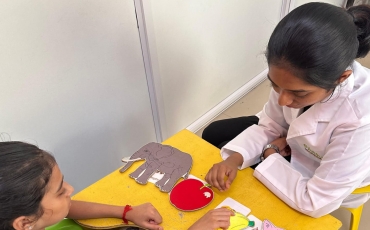
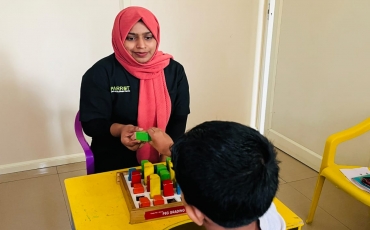
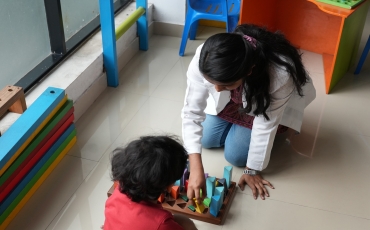
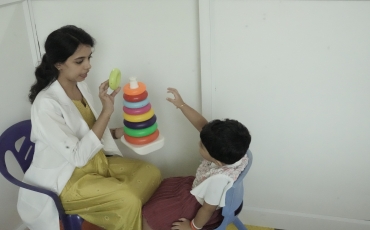
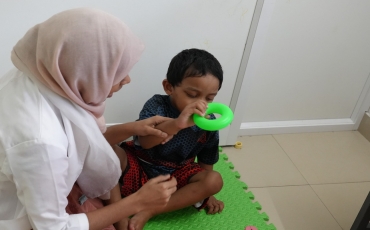
For younger children, play, pictures, books, and familiar objects may be used to encourage communication. Other children may benefit from more structured activities, depending on their goals.
A supportive approach should allow the child time to respond and provide suitable opportunities to communicate. Therapy should not depend on pressuring or shaming a child for communication difficulties.
Parents can ask how the therapist adapts sessions when a child feels hesitant, becomes tired, or needs additional support to participate.
5. Check Parent Involvement and Home Guidance
Communication development continues outside therapy sessions. Parents and caregivers can provide valuable opportunities for children to practise skills during daily routines.
A good therapy programme should help parents understand how to support their child's individual goals at home. This may include suggestions for talking during play, reading together, encouraging choices, or responding to the child's attempts to communicate.
Parents should also be able to share observations from home. For example, a child may communicate differently with familiar family members than with unfamiliar people, and this information may help the therapist understand the child's everyday communication.
Home activities should be practical and appropriate for the family's routine. Parents should feel comfortable asking questions rather than feeling responsible for delivering therapy on their own.
6. Ask How Progress Is Monitored
It is useful to understand how the therapist will review progress and decide whether therapy goals need to be adjusted.
Progress may involve several changes, depending on the child's needs. A child might begin using more words, understand familiar instructions more consistently, produce certain sounds more clearly, or communicate needs more effectively.
Parents can ask:
-
How will the child's goals be documented?
-
How often will progress be reviewed?
-
How will parents receive updates?
-
What happens if the child is not making the expected progress?
-
When might the therapy approach or goals need to change?
Regular communication helps families understand the purpose of sessions and the child's developing skills. Progress should be discussed honestly, without guaranteeing outcomes.
7. Consider Location, Scheduling, and Accessibility
Practical arrangements also matter when selecting speech therapy for children. Families may need to attend sessions regularly, so consider the centre's location, available appointment times, travel requirements, and accessibility.
For families living in and around Kozhikode, choosing a convenient service may make it easier to manage appointments alongside school, work, and other family responsibilities.
Ask about session duration, scheduling, cancellation policies, and fees before starting. Understanding these details can help families decide whether the service fits their needs.
Convenience is important, but it should be considered alongside professional qualifications, assessment quality, and the suitability of the therapy programme.
8. Look for Clear Communication with Parents
Parents should receive understandable information about their child's communication needs, therapy goals, and recommended next steps.
A professional should explain what an assessment suggests, what remains uncertain, and whether additional evaluation may be useful. Parents should have an opportunity to ask questions and understand the reasoning behind the proposed approach.
If a child has difficulties in more than one developmental area, the therapist may recommend discussing those concerns with other relevant professionals. Coordination with other services may be appropriate depending on the child's needs.
Clear communication helps parents participate in decisions and feel more confident about supporting their child's development.
9. Finding a Pediatric Speech Therapy Center in Calicut
Parents searching for a Pediatric Speech Therapy Center in Calicut should look for a service that offers appropriate assessment, individualised goals, qualified professionals, and guidance for families. It is important to understand which services are available and whether they match the child's specific communication needs.
A centre should be willing to explain its assessment process, discuss how therapy goals are chosen, and clarify how parents can participate. Families can also ask about the professional qualifications of the team and how progress is reviewed.
At Parent Child Development Centre, parents can enquire about available speech and language therapy services and discuss their child's communication concerns with the relevant team.
10. Questions to Ask Before Starting Speech Therapy
Before choosing a service, parents may find it helpful to prepare a few questions:
About the assessment
-
Who will assess my child?
-
What areas of communication will be explored?
-
Is any additional evaluation recommended?
About therapy
-
What goals are appropriate for my child?
-
How will activities be selected?
-
How will progress be monitored?
About parent support
-
How will I receive updates?
-
What can we practise at home?
-
How can I share concerns between sessions?
About practical arrangements
-
What are the session timings and fees?
-
How are appointments scheduled?
-
What should we bring to the first appointment?
These questions can help families understand the service and decide whether it is suitable for their child.
Conclusion
Choosing a Speech Therapy Centre in Kozhikode involves more than finding a nearby location. Parents should consider professional qualifications, the quality of assessment, individualised therapy goals, parent involvement, communication, and progress monitoring.
Every child has different communication strengths and support needs. A suitable professional can help families understand those needs and explore appropriate next steps without making unrealistic promises about outcomes.
If you have concerns about your child's speech or language development, consider arranging an assessment with a qualified speech-language professional. Asking questions, sharing your observations, and working together with the therapist can help you make informed decisions about your child's communication support.