Why Does My Child Bite, Hit, or Throw Things? Understanding Challenging Behaviour
Many parents become worried when their child starts biting, hitting, or throwing things. These behaviours can be upsetting, but in most cases, they are not simply signs of a “bad child.” They are often a way for children to communicate something they cannot express with words.
In psychology, these behaviours are often described as challenging behaviour or problem behaviour. Instead of asking, “Why is my child behaving like this?” it can be more helpful to ask, “What is my child trying to tell me?”
Understanding the reason behind a child's behaviour is an important first step toward helping them develop healthier ways to communicate and manage their emotions.
Why Do Children Bite, Hit, or Throw Things?
Young children are still developing emotional regulation, which is the ability to understand and manage emotions. They are also developing communication and social skills.
When children feel angry, frustrated, excited, scared, or overwhelmed, they may bite, hit, scream, or throw objects because they do not yet know healthier ways to express what they are feeling.
For some children, challenging behaviour may be their way of communicating:
- “I don't want to do this.”
- “I need help.”
- “I want that toy.”
- “I am angry.”
- “I am tired.”
- “I want your attention.”
- “This is too difficult for me.”
- “I don't like this situation.”
Therefore, challenging behaviour is often a form of communication rather than intentional misbehaviour.
Understanding the Function of Behaviour
Sometimes, a child behaves in a particular way because the behaviour helps them achieve something. This is known as the function of behaviour, meaning the reason or purpose behind a behaviour.
For example:
- A child may throw a toy to escape an activity they dislike.
- A child may hit another child because they do not know how to ask for a turn.
- A child may scream to get attention.
- A child may bite when they feel overwhelmed.
- A child may throw objects when they cannot communicate what they want.
Understanding what happens before and after the behaviour can help parents and professionals identify why it is happening.
Challenging Behaviour and Autism
Children with Autism Spectrum Disorder (ASD) may experience difficulties with communication, emotional regulation, social interaction, and sensory processing. These difficulties can sometimes contribute to challenging behaviour.
For example, a child may become upset when their routine changes, when they cannot communicate what they want, or when they are exposed to an uncomfortable sensory experience.
Parents can learn more about the role of occupational therapy in autism through our article on What Is the Role of Occupational Therapists in Autism?
Challenging Behaviour and ADHD
Children with Attention-Deficit/Hyperactivity Disorder (ADHD) may experience difficulties with attention, impulse control, emotional regulation, and waiting for their turn.
These challenges may sometimes appear as:
- Interrupting others
- Difficulty waiting
- Impulsive actions
- Aggressive behaviour
- Difficulty following routines
- Emotional outbursts
- Difficulty controlling reactions
Understanding the child's developmental needs is important before deciding how to respond to these behaviours.
You can also learn more about ADHD and its common behavioural characteristics in our article ADHD (Attention Deficit Hyperactive Disorder).
Sensory Processing and Challenging Behaviour
Some children have difficulty processing sensory information from their environment. They may be particularly sensitive to sounds, lights, touch, textures, movement, or crowded environments.
For example, a child who is sensitive to loud sounds may become distressed in a noisy environment. Another child may seek strong sensory input by biting objects, crashing into things, or engaging in repetitive movements.
These behaviours may be related to sensory-seeking or sensory-avoidance patterns rather than simple disobedience.
Understanding sensory needs can help parents and therapists develop appropriate strategies to support the child.
How Adults Respond Can Affect Behaviour
The way adults respond to challenging behaviour can also influence whether the behaviour continues.
If a child receives significant attention after hitting, throwing, or screaming, the behaviour may sometimes become more likely to occur again. This can happen even when the attention is negative.
This is known as behaviour reinforcement, where a behaviour becomes more likely to happen because of what happens immediately after it.
Instead of responding with shouting or harsh punishment, parents can try to:
- Stay calm
- Keep responses consistent
- Identify the reason for the behaviour
- Teach appropriate communication
- Encourage positive behaviour
- Give attention to appropriate actions
- Provide clear and simple instructions
How Parents Can Help Reduce Challenging Behaviour
Parents can support their children by teaching them alternative ways to communicate their needs and emotions.
Teach Simple Emotion Words
Children can be encouraged to use simple words such as:
- “Angry”
- “Sad”
- “Help”
- “Stop”
- “Finished”
- “More”
- “Break”
For children who have difficulty speaking, gestures, pictures, or other communication methods may also be useful.
Encourage Positive Communication
When a child communicates appropriately instead of hitting, biting, or throwing, acknowledge and encourage that behaviour.
For example, if a child uses the word “help” instead of throwing something, respond positively and help them understand that communication is an effective way to get their needs met.
Use Positive Reinforcement
Positive reinforcement means encouraging a desirable behaviour so that the child is more likely to use it again.
Parents can praise behaviours such as:
- Asking for help
- Waiting for a turn
- Sharing
- Using words instead of hitting
- Following instructions
- Staying calm
- Expressing emotions appropriately
Small improvements should be noticed and appreciated.
Identify Behaviour Triggers
It is important to look for patterns in your child's behaviour.
Parents can ask:
- When does the behaviour happen?
- Where does it happen?
- Who is present?
- What happened immediately before the behaviour?
- What happens after the behaviour?
- Was the child tired, hungry, frustrated, or overwhelmed?
- Was there a change in routine?
These observations can help identify behaviour triggers, also known as antecedents.
Understanding these triggers can help parents and professionals develop strategies to prevent or reduce challenging behaviour.
When Should Parents Seek Professional Support?
Occasional tantrums and emotional outbursts can be part of normal childhood development. However, professional guidance may be helpful if challenging behaviour:
- Happens very frequently
- Becomes increasingly severe
- Causes injury to the child or others
- Interferes with school or learning
- Affects relationships with family or peers
- Makes everyday activities difficult
- Is associated with communication or developmental difficulties
- Is difficult for parents or caregivers to manage
A qualified psychologist, behaviour therapist, occupational therapist, or other developmental professional can assess the child's needs and recommend appropriate strategies.
Behaviour Therapy for Children
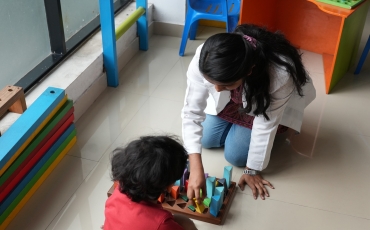
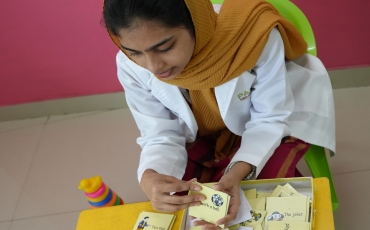
Behaviour therapy can help children develop appropriate behaviours and reduce behaviours that interfere with daily life.
Therapy may focus on:
- Identifying triggers
- Understanding the function of behaviour
- Teaching alternative behaviours
- Improving emotional regulation
- Developing communication skills
- Encouraging positive behaviour
- Supporting parents and caregivers
- Building social and everyday skills
Parent involvement is an important part of behaviour support. Parents can learn strategies that can be consistently used at home and in everyday situations.
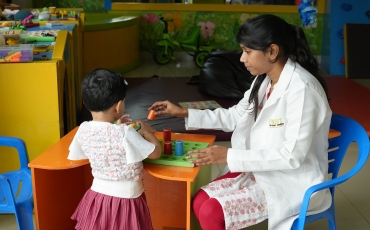
f your child is experiencing frequent tantrums, aggression, impulsive behaviour, or difficulty managing emotions, professional support can help identify the underlying causes and develop suitable strategies. Behavioural Therapy in Kozhikode can support children in developing positive behaviours, improving emotional regulation, and building better communication and social skills.
For more information, read our related article on Behavior Therapy.
Conclusion
Biting, hitting, throwing things, and other challenging behaviours are often a child's way of communicating a need, emotion, or difficulty that they may not yet know how to express.
Instead of focusing only on stopping the behaviour, it is important to understand why the behaviour is happening and teach the child safer and more effective ways to communicate.
With patience, consistent guidance, positive reinforcement, and professional support when needed, children can gradually learn healthier ways to express their emotions and needs.
At Parrot Child Development Centre, Kozhikode (Calicut), individualized support can help children and families understand behavioural challenges and develop appropriate strategies for everyday life.