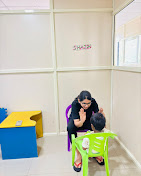
Speech Therapy for Autism: How It Can Support Communication
Communication can look different for every child with autism. Some children may speak using words and sentences but find conversations difficult, while others may use very few spoken words or communicate mainly through gestures, sounds, pictures, or other methods.
These differences can make everyday communication challenging for children and their families.
Speech therapy for autism focuses on the individual child's communication needs. The goal is not simply to make a child speak more, but to help the child communicate more effectively in ways that are meaningful and useful in everyday life.
Speech-language professionals can assess a child's communication strengths and difficulties and develop an individualized approach to support communication.
How Can Autism Affect Communication?
Autism can be associated with differences in social communication and interaction. However, every autistic child has a different communication profile.
A child may experience difficulties with:
- Understanding spoken language
- Using words to communicate
- Developing sentences
- Answering or asking questions
- Taking turns during conversations
- Starting interactions
- Maintaining a conversation
- Understanding social cues
- Using gestures appropriately
- Communicating wants, needs, or feelings
Some children may also have speech sound, fluency, or other speech-related difficulties.
Because autism affects children differently, communication support should be individualized rather than based on a single approach.
Does Every Child With Autism Need Speech Therapy?
No.
Not every autistic child has the same communication needs, and not every child will require speech therapy.
Some children may have strong spoken language skills but need support with social communication. Others may need help developing functional communication, understanding language, or producing speech.
A speech-language assessment can help identify the child's strengths and determine whether therapy may be useful.
The focus should be on supporting communication and participation rather than assuming that every child needs the same type of treatment.
What Does Speech Therapy for Autism Focus On?
Speech therapy can address different areas depending on the child's communication profile.
1. Functional Communication
For children who have difficulty communicating their basic needs, therapy may focus on helping them communicate requests, choices, preferences, and feelings.
Functional communication can reduce frustration by giving a child reliable ways to express what they want or need.
2. Understanding Language
Some children may have difficulty understanding spoken language.
Therapy may support skills such as:
- Following instructions
- Understanding questions
- Learning new vocabulary
- Understanding concepts
- Following conversations
- Understanding language used during everyday activities
3. Expressive Language
A child may understand more than they can express.
Speech-language therapy can support expressive communication by working on:
- Vocabulary
- Combining words
- Sentence development
- Answering questions
- Describing objects and events
- Expressing thoughts and needs
The specific goals depend on the child's current communication level.
4. Social Communication
Communication is more than using words.
Children may need support with skills such as:
- Taking turns
- Initiating communication
- Responding to others
- Maintaining interactions
- Sharing attention
- Understanding conversational expectations
- Using communication appropriately in different situations
These skills can be practiced through structured activities as well as natural play and interaction.
5. Speech Sound and Pronunciation Difficulties
Some autistic children may also have difficulty producing speech sounds clearly.
If a child has persistent articulation or speech sound difficulties, the speech-language pathologist can assess the specific problem and determine whether speech sound therapy is appropriate.
6. Alternative and Augmentative Communication
Some children may benefit from augmentative and alternative communication (AAC).
AAC can include methods such as:
- Picture-based communication
- Communication boards
- Gestures
- Sign-based communication
- Speech-generating devices
- Other individualized communication systems
AAC can provide a child with another way to communicate when spoken communication is difficult.
Using AAC does not mean giving up on spoken language. For some children, it can provide an important functional communication system while spoken communication develops or alongside spoken communication.
Can Speech Therapy Help a Non-Speaking Child?
Speech therapy can support communication in children who use few or no spoken words.
However, the goal should not be defined only as getting a child to speak.
A non-speaking child still has communication needs and deserves reliable ways to express:
- Wants
- Needs
- Choices
- Discomfort
- Feelings
- Interests
- Ideas
A speech-language professional can assess the child's communication abilities and determine whether spoken language, AAC, gestures, signs, or a combination of approaches may be appropriate.
What Happens During Speech Therapy for Autism?
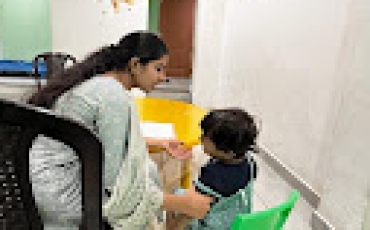
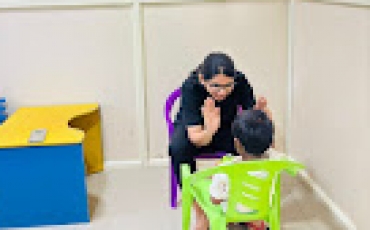
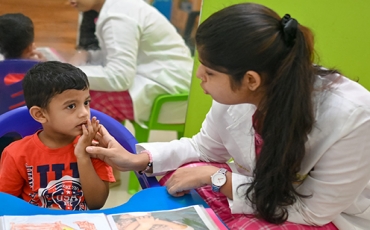
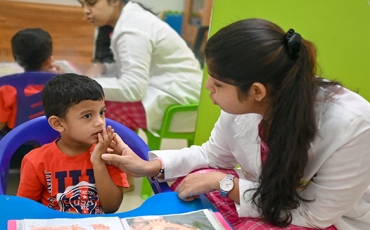
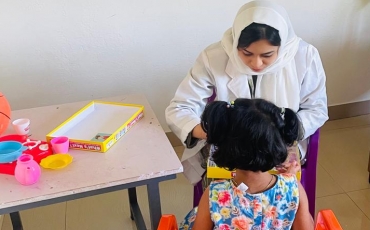
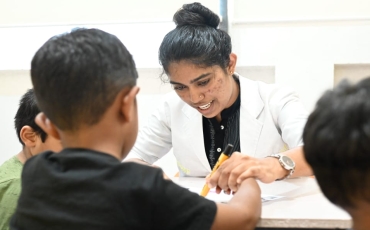
Therapy is individualized according to the child's age, developmental level, communication abilities, interests, and goals.
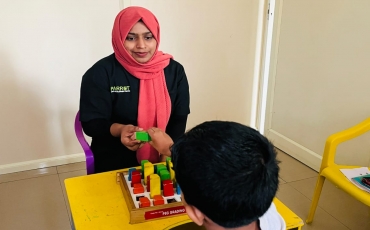
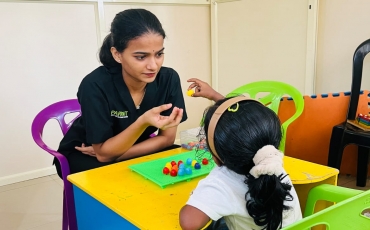
A session may involve activities such as:
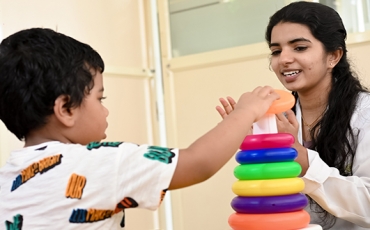
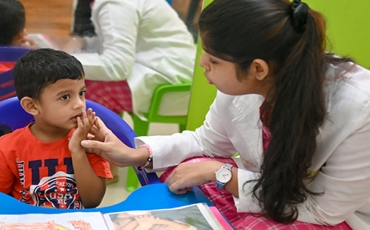
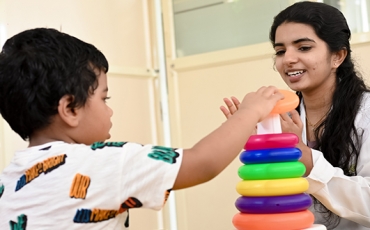
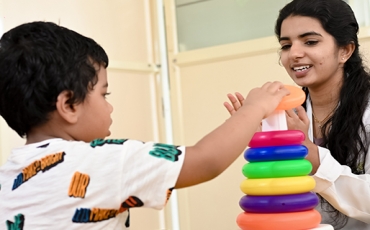
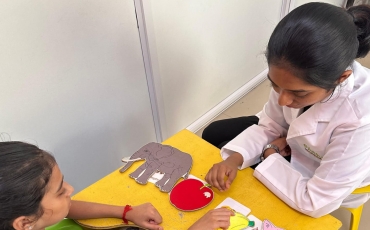
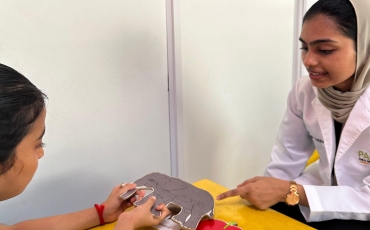
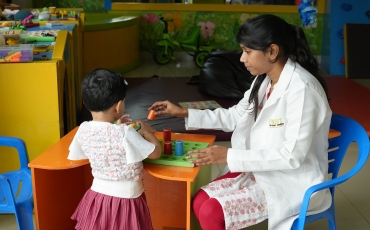
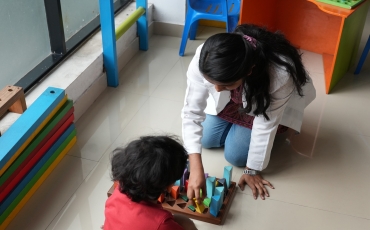
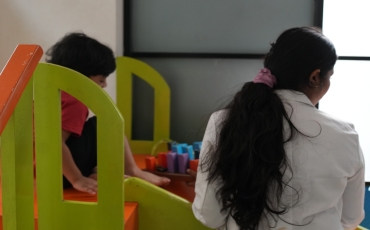
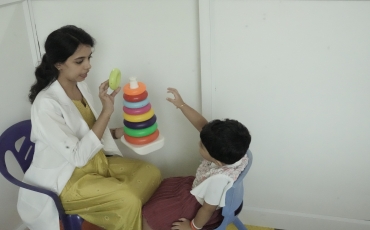
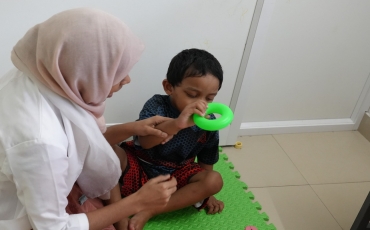
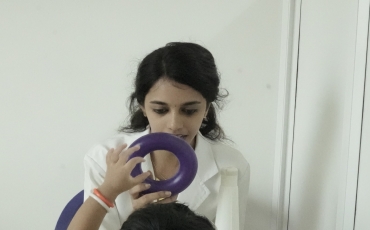
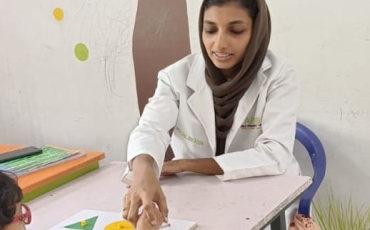
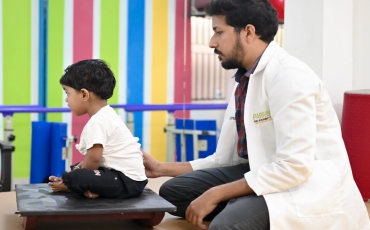
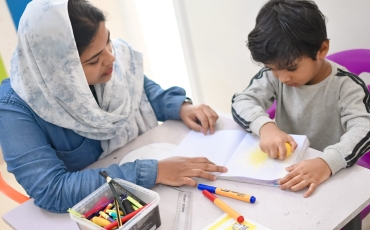
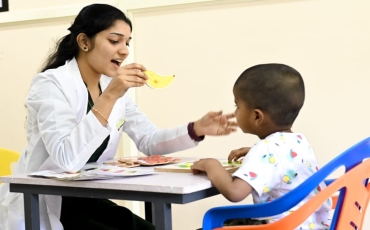
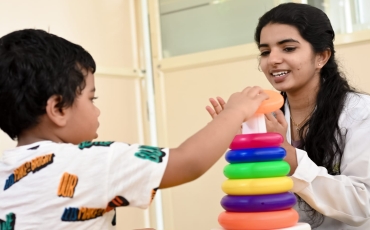
- Play-based communication
- Naming objects and actions
- Requesting preferred items
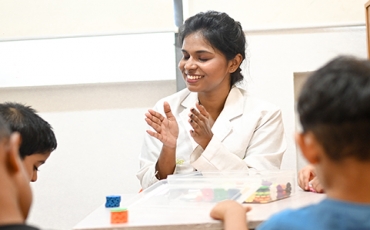
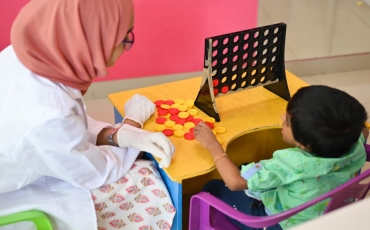
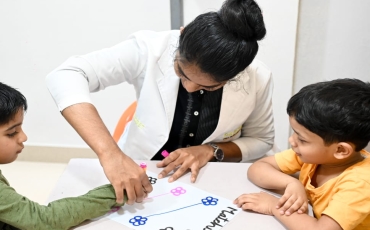
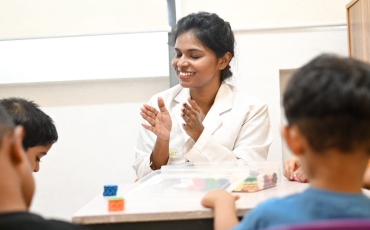
- Turn-taking activities
- Following instructions
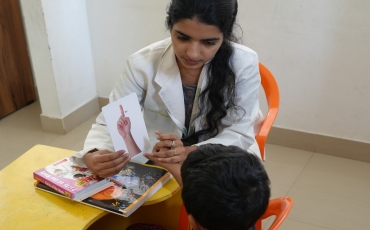
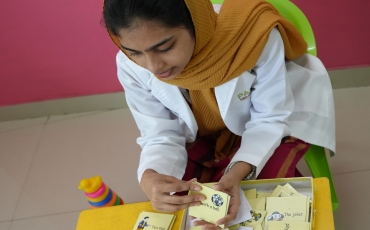
- Picture-based communication
- Conversation practice
- Social interaction activities
- Speech sound practice when needed
- Parent-guided communication activities
The exact activities will vary from child to child.
A child who communicates using single words may have very different goals from a child who speaks in full sentences but struggles with social communication.
Why Is Assessment Important?
Before starting therapy, understanding the child's individual communication profile is important.
A speech-language pathologist may assess:
- Receptive language
- Expressive language
- Speech sound production
- Social communication
- Functional communication
- Fluency
- Voice
- Use of gestures or other communication methods
- Communication during play and interaction
The professional may also discuss the child's communication at home, school, and other everyday environments.
This information helps create goals that are relevant to the child's real-life communication needs.
How Can Parents Support Communication at Home?
Parents are an important part of a child's communication development.
Simple everyday activities can create opportunities for communication.
Follow Your Child's Interests
Join your child in activities they enjoy and use those activities to encourage interaction.
Create Opportunities to Communicate
Instead of anticipating every need immediately, provide appropriate opportunities for your child to request, choose, or communicate.
Use Simple and Clear Language
Use language that matches your child's current communication level.
Give Enough Time to Respond
Pause after speaking or asking a question so your child has time to process and respond.
Encourage All Functional Communication
A child may communicate through words, gestures, pictures, signs, or AAC. Meaningful communication should be encouraged in whatever appropriate form the child uses.
Work With the Therapist
If your child is receiving speech therapy, use the strategies recommended by the speech-language professional during everyday routines.
Speech Therapy and Social Communication
Some autistic children can speak fluently but still have difficulty using communication in social situations.
For example, a child may:
- Talk extensively about a preferred topic
- Find it difficult to take conversational turns
- Struggle to start or end conversations
- Have difficulty understanding another person's perspective
- Find some social situations confusing
- Have difficulty adjusting communication to different situations
Speech-language therapy can support these social communication skills when they are relevant to the child's individual needs.
When Should Parents Consider Speech Therapy?
Parents may consider consulting a speech-language professional if their child:
- Uses very few spoken words
- Has difficulty expressing needs
- Has difficulty understanding language
- Is frequently frustrated when trying to communicate
- Has difficulty interacting with others
- Struggles with conversational skills
- Has persistent speech sound difficulties
- Uses communication inconsistently across situations
An assessment can help determine whether speech therapy is appropriate and what goals should be prioritized.
Autism Speech Therapy in Kozhikode
Parents searching for Autism Speech Therapy in Kozhikode can look for a child-focused speech-language service that considers the child's individual communication profile.
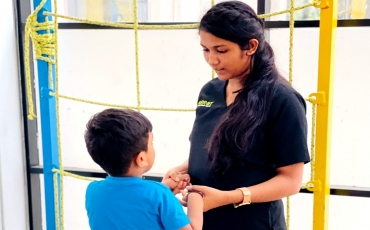
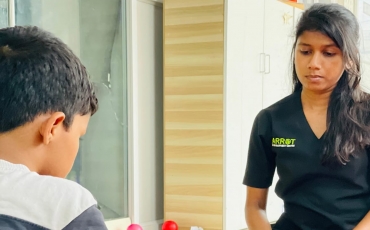
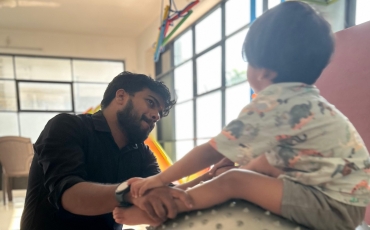
At Parrot Child Development Centre, speech and language professionals support children with different communication needs, including children who may have communication difficulties associated with autism.
Speech therapy may address areas such as receptive and expressive language, speech sound production, social communication, fluency, voice, and functional communication.
The therapy approach is individualized according to the child's abilities and communication goals.
Parents can discuss their child's communication concerns with the professional team and understand which areas may benefit from assessment and support.
When Late Talking May Need Further Developmental Assessment
Late talking can have different causes, and speech delay alone does not mean that a child has autism. However, if a child also has difficulties with social interaction, responding to their name, gestures, eye contact, play skills, or other areas of development, parents may consider a broader developmental assessment. In such situations, professional guidance can help identify the child's individual needs and determine whether children autism treatment in Calicut or other developmental therapies may be appropriate. Speech and language therapy may also be recommended to support communication skills based on the child's assessment.
Frequently Asked Questions
Can speech therapy help children with autism?
Speech therapy can support different areas of communication for autistic children, depending on their individual needs. Goals may include functional communication, language, speech sounds, social communication, or AAC.
Does speech therapy make an autistic child talk?
There is no single outcome that applies to every child. Speech therapy focuses on improving meaningful communication, which may involve spoken language, AAC, gestures, or a combination of communication methods.
Can a non-speaking autistic child use AAC?
Yes. AAC can provide an alternative or additional way for a child to communicate when spoken language is limited or difficult.
Does using AAC stop a child from learning to speak?
AAC is not intended to prevent speech development. It can provide a functional communication method while a child's spoken communication develops or alongside spoken communication.
When should speech therapy start for an autistic child?
There is no single starting age that applies to every child. If parents have concerns about communication, a speech-language assessment can help identify the child's needs and determine whether support may be appropriate.
Where can I find autism speech therapy in Kozhikode?
Parents looking for Autism Speech Therapy in Kozhikode can consult a qualified speech-language professional for an individualized assessment and communication support plan.
Conclusion
Autism can affect communication in many different ways, and every child has their own strengths, abilities, and support needs.
Speech therapy for autism can focus on much more than spoken words. It can help children develop functional communication, understand and use language, participate in interactions, improve speech clarity when needed, and use alternative communication methods when appropriate.
The most useful approach is one that starts with the child's individual communication profile and builds meaningful goals around everyday life.
For families looking for Autism Speech Therapy in Kozhikode, Parrot Child Development Centre provides individualized speech and language support for children with different communication needs.