Speech and Language Development Milestones: When to Consult a Speech Therapist
Speech and language development is an important part of childhood. From a baby's first sounds and gestures to a child's ability to have conversations, communication develops gradually through the early years.
Children do not all reach communication milestones at exactly the same age. However, understanding general speech and language development milestones can help parents notice whether their child is progressing and recognize when professional guidance may be useful.
If you have concerns about your child's communication, consulting a Speech Therapist in Calicut can help you understand your child's individual strengths and needs.
What Are Speech and Language Milestones?
Speech and language milestones are skills that many children develop as they grow.
They can include:
- Making sounds and babbling
- Using gestures
- Understanding familiar words
- Saying first words
- Learning new vocabulary
- Combining words
- Following instructions
- Asking and answering questions
- Having conversations
- Using language socially
These milestones provide general developmental guidance rather than strict deadlines. Children can develop at different rates.
What matters is the overall pattern of development and whether the child continues to make progress.
Speech and Language Development in Infancy
During the first year, babies begin developing the foundations of communication.
Parents may notice:
- Different cries for different needs
- Cooing and vocal play
- Babbling
- Responding to familiar voices
- Turning toward sounds
- Using facial expressions
- Beginning to use gestures
- Showing interest in interaction
Babies also learn through listening and interacting with caregivers.
Talking, singing, responding to sounds, and sharing attention with a baby can provide valuable opportunities for early communication.
Speech and Language Development Around the Toddler Years
As children enter the toddler stage, their communication generally becomes more intentional.
They may begin to:
- Use meaningful words
- Name familiar people and objects
- Follow simple instructions
- Point or gesture to communicate
- Ask for things
- Combine words
- Understand increasingly complex language
- Participate in simple interactions
The exact number of words or sentences can vary considerably between children.
Parents should look at the child's overall communication development rather than comparing them too closely with another child of the same age.
Our article on Speech Therapy for Toddlers provides more information about communication concerns during this stage.
Speech and Language Development During the Preschool Years
During the preschool years, children's vocabulary and ability to communicate generally continue to expand.
Children may begin to:
- Use longer sentences
- Describe experiences
- Ask many questions
- Tell simple stories
- Follow multi-step instructions
- Participate in conversations
- Explain their ideas
- Understand increasingly complex concepts
Speech should also gradually become easier for familiar and unfamiliar listeners to understand, although some speech sounds may continue developing as children grow.
Why Do Speech and Language Milestones Matter?
Communication skills influence many parts of childhood.
A child uses communication to:
- Express needs
- Build relationships
- Participate in play
- Learn at school
- Ask questions
- Follow instructions
- Share experiences
- Express emotions
- Develop independence
When communication difficulties persist, they can sometimes affect a child's participation in everyday activities.
Recognizing concerns early can help parents seek appropriate guidance.
Signs That Your Child May Need a Speech and Language Assessment
Parents may consider speaking with a professional if their child:
- Has very limited communication for their developmental stage
- Is not making noticeable progress
- Has difficulty understanding spoken language
- Has difficulty expressing needs or ideas
- Is frequently frustrated when trying to communicate
- Is difficult to understand
- Has ongoing speech sound difficulties
- Has persistent fluency concerns
- Has difficulty participating in conversations
- Has social communication difficulties
- Has lost communication skills they previously had
A single concern does not necessarily mean that a child has a disorder. A professional assessment helps determine what is actually happening.
Does Late Talking Always Mean Speech Delay?
Not necessarily.
Some children may begin talking later and subsequently develop their language skills. Other children may have an underlying speech or language difficulty that requires support.
This is why an assessment can be more useful than simply waiting for a child to “catch up.”
A speech-language professional may look at both what a child can do and what areas may require additional support.
What Does a Speech Therapist Assess?
A speech-language professional may assess different aspects of communication depending on the child's age and concerns.
These may include:
Receptive language
This refers to how a child understands language.
Expressive language
This involves how a child uses words, sentences, and other forms of communication to express ideas.
Speech sounds
The therapist may assess how the child produces different sounds and how understandable their speech is.
Fluency
The assessment may consider repetitions, prolongations, pauses, or other fluency concerns.
Social communication
The therapist may look at how the child communicates during interactions, including conversation, turn-taking, and responding to others.
Functional communication
This considers how effectively the child communicates their needs, choices, thoughts, and feelings in everyday situations.
For parents who want to understand the process in more detail, our article Speech Therapy Assessment for Children: What Parents Need to Know can be linked here.
When Should Parents Consult a Speech Therapist?
Parents do not have to wait until a communication difficulty becomes severe before seeking guidance.
A consultation may be useful when:
- You have ongoing concerns about your child's communication
- Your child's progress appears to have stopped
- Your child struggles to understand or express language
- Speech is consistently difficult to understand
- Communication difficulties are affecting daily activities
- Your child has developmental concerns in other areas
- Your child's communication skills have regressed
A consultation does not automatically mean that the child will require long-term therapy.
It can simply help parents understand their child's development and decide what support, if any, is appropriate.
How Can Speech Therapy Support Children?
When therapy is recommended, the goals depend on the child's individual needs.
Speech therapy for children may support:
- Vocabulary development
- Sentence formation
- Understanding language
- Speech clarity
- Speech sound production
- Fluency
- Conversation skills
- Social communication
- Functional communication
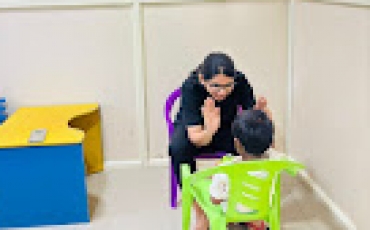
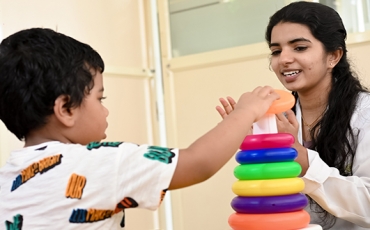
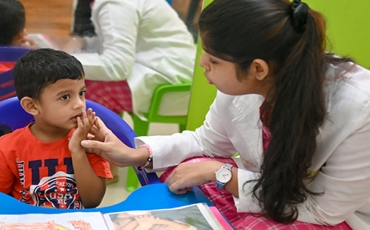
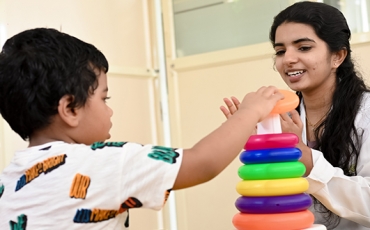
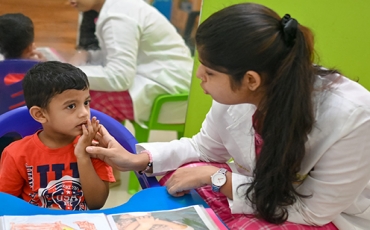
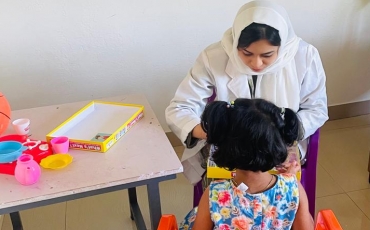
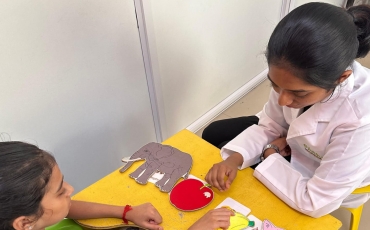
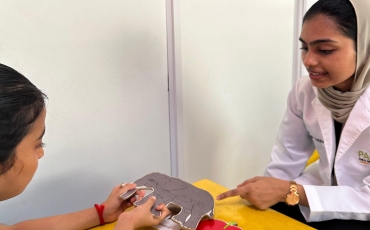
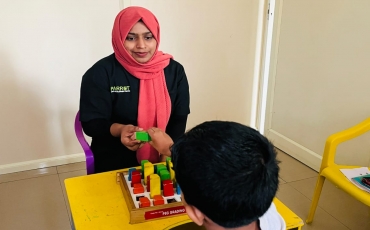
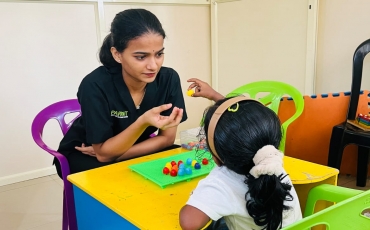
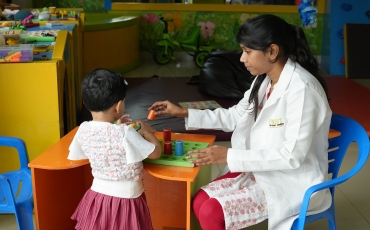
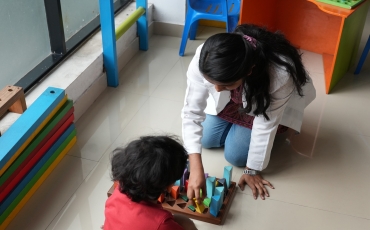
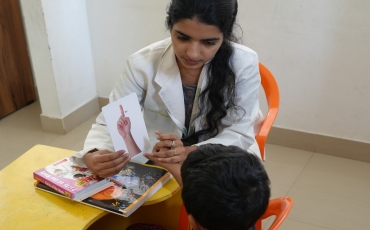
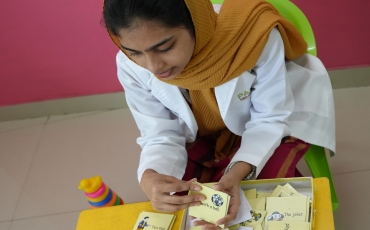
Therapy may use play, books, pictures, games, conversations, and everyday activities to make communication practice appropriate and meaningful for the child.
What Can Parents Do at Home?
Parents can support speech and language development through everyday interaction.
Talk with your child
Describe what you are doing during daily routines such as eating, bathing, dressing, and travelling.
Read together
Picture books can help children learn vocabulary, understand stories, and practice communication.
Give choices
Instead of asking only yes-or-no questions, offer simple choices such as “Do you want apple or banana?”
Follow their interests
If your child enjoys animals, vehicles, drawing, or pretend play, use those interests to create opportunities for communication.
Give time to respond
Allow your child enough time to understand what you have said and formulate a response.
Avoid constant correction
Communication practice should feel natural. Model the correct word or sentence rather than repeatedly asking the child to repeat it.
Speech and Language Development and Autism
Some children with autism may have differences in speech, language, or social communication.
However, speech delay alone does not mean that a child has autism.
If communication concerns occur alongside difficulties with social interaction, play, repetitive behaviors, or other developmental areas, parents may consider discussing their concerns with an appropriate developmental professional.
For children with autism, speech therapy can focus on functional communication, language development, social communication, and other individual needs.
Finding a Speech Therapist in Calicut
Parents looking for a Speech Therapist in Calicut can consider several factors before choosing a service.
Look for:
- Appropriate professional qualifications
- Experience working with children
- Individualized assessment
- Child-friendly therapy methods
- Clear communication with parents
- Goals based on the child's specific needs
- Guidance for supporting communication at home
For children with broader developmental concerns, access to a multidisciplinary child development service can also be useful.
Speech Therapy in Calicut at Parrot Child Development Centre
Parrot Child Development Centre provides speech and language assessment and therapy for children with different communication needs.
The speech therapy team works with areas including speech and articulation, receptive and expressive language, fluency, voice production, social interaction, and related communication skills.
For parents searching for a Speech Therapist in Calicut, an individual assessment can help identify the child's current communication abilities and determine whether speech and language support may be appropriate.
Internal link:
Speech Therapy in Calicut → Parrot Speech Therapy service page
Frequently Asked Questions
What are speech and language milestones?
They are general communication skills children develop as they grow, such as babbling, using words, understanding language, combining words, and participating in conversations.
Do all children reach speech milestones at the same age?
No. There is natural variation in development. Milestones are useful guidelines, but children may reach individual skills at somewhat different times.
When should I consult a speech therapist?
If you have ongoing concerns about your child's speech, language, understanding, or communication, you can consult a speech-language professional for an assessment.
Can a child have a language delay but speak clearly?
Yes. A child may pronounce words clearly but still have difficulty understanding language, learning vocabulary, forming sentences, or expressing ideas.
Can speech therapy help late talkers?
Speech therapy may help children who have identified communication difficulties. An assessment can determine the child's individual strengths and areas requiring support.
Where can I find a Speech Therapist in Calicut?
Parents can explore qualified child-focused speech therapy services in Calicut/Kozhikode and choose one based on the child's individual assessment and needs.
Conclusion
Understanding speech and language development milestones can help parents follow their child's communication progress without creating unnecessary comparisons.
Children develop at different rates, but persistent concerns, lack of progress, difficulty understanding or expressing language, or loss of previously acquired communication skills are reasons to seek professional guidance.
A speech-language assessment can help parents understand their child's communication profile and determine whether additional support is appropriate.
For families looking for a Speech Therapist in Calicut, Parrot Child Development Centre provides speech and language assessment and therapy based on each child's individual communication needs.