
Speech Therapy for Children in Kozhikode: A Parent’s Guide
Introduction
Every child develops communication skills at their own pace. Some children begin speaking early, while others need additional support to express their thoughts, understand words, or communicate with people around them. When parents notice these difficulties, exploring Speech Therapy for Children in Kozhikode can be an important first step towards understanding their child's needs.
Speech and language therapy helps children develop communication skills through activities and strategies suited to their individual abilities. Parents looking for Speech Therapy in Calicut can benefit from understanding common communication concerns, the assessment process, and how professional guidance may support their child's development.
Recognising concerns early and seeking appropriate advice can help families understand what their child needs and how to support communication in everyday life.
What Is Speech Therapy for Children?
Speech therapy is a specialised service that supports children who experience difficulties with speech, language, or communication. The focus of therapy depends on the child's age, developmental level, communication abilities, and individual goals.
Speech and Language Therapy for Children may help address difficulties such as:
-
Expressing needs, thoughts, and feelings through words
-
Understanding spoken language and instructions
-
Learning and using new vocabulary
-
Combining words to form meaningful sentences
-
Producing speech sounds clearly
-
Developing conversational and social communication skills
-
Managing fluency difficulties, such as stammering
A qualified speech-language therapist assesses the child's communication skills before recommending an appropriate approach. Not every child needs the same type of therapy, and the plan should reflect the child's strengths and areas requiring support.
Parents searching for a Pediatric Speech Therapy Center in Calicut should look for professional support that focuses on their child's individual communication needs. A suitable speech therapy programme may help children work towards improving speech clarity, language development, and everyday communication skills based on their assessment and therapy goals. Parents can discuss their concerns with a qualified speech-language therapist to understand the appropriate next steps.
Signs Your Child May Need Speech and Language Support
Parents are often the first to notice differences in how their children communicate. Some children may use fewer words than expected, while others may speak but have difficulty being understood.
Consider seeking professional advice if your child:
-
Has difficulty communicating basic needs
-
Uses fewer words or gestures than expected for their developmental stage
-
Has trouble understanding simple, age-appropriate instructions
-
Finds it difficult to combine words into sentences
-
Is frequently difficult for others to understand
-
Struggles to participate in conversations or communicate with other children
-
Shows persistent difficulties with speech fluency
-
Loses words or communication skills they previously used
These signs do not automatically indicate a developmental disorder. Children develop differently, and an individual assessment is needed to understand the reason for a concern.
If your child loses previously acquired communication skills, seek prompt professional evaluation rather than waiting for the difficulty to resolve on its own.
Understanding Speech Delay and Language Delay
Speech and language are related, but they describe different aspects of communication.
Speech refers to how children produce sounds and words. A child may know what they want to say but struggle to pronounce certain sounds clearly.
Language involves understanding words and using them to communicate meaning. A child may have difficulty following instructions, learning vocabulary, combining words, or expressing ideas.
Some children experience difficulties with both speech and language. Others may need support with only one area.
When parents are concerned about delayed communication, an assessment can help identify the specific skills that need attention. Depending on the findings, Speech Delay Therapy may be recommended alongside appropriate guidance for supporting communication at home.
What Happens During a Speech Therapy Assessment?
An assessment helps the therapist understand how a child communicates and which areas may benefit from additional support. The process varies according to the child's age and the concerns reported by the family.
A typical assessment may include the following steps.
1. Understanding the Child's Development
The therapist discusses the child's developmental history, communication at home, languages spoken, and any concerns noticed by parents or caregivers.
2. Observing Communication Skills
The therapist may observe how the child interacts, responds to questions, uses gestures, understands instructions, and expresses needs through speech or other communication methods.
3. Evaluating Speech and Language
Age-appropriate activities or assessment tools may be used to evaluate speech sounds, vocabulary, language comprehension, sentence formation, and other relevant skills.
4. Discussing the Findings
The therapist explains the observations and answers parents' questions. If further assessment or consultation with another professional is appropriate, this can also be discussed.
5. Planning the Next Steps
If therapy is recommended, the therapist develops goals based on the child's individual needs. Parents should understand what the goals involve and how progress will be reviewed.
An assessment is not simply about counting the words a child can say. It helps build a broader understanding of communication and the support that may be useful.
What Happens During a Child's Speech Therapy Session?
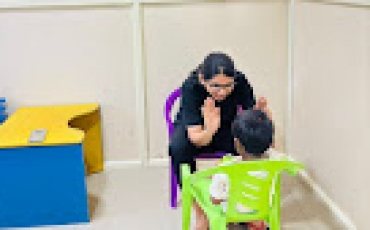
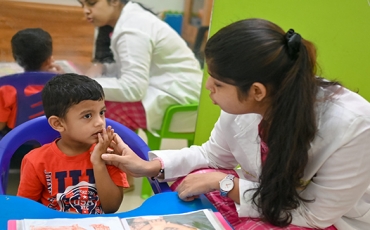
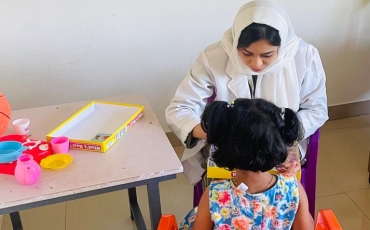
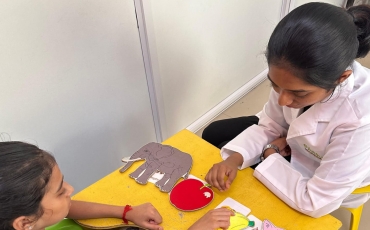
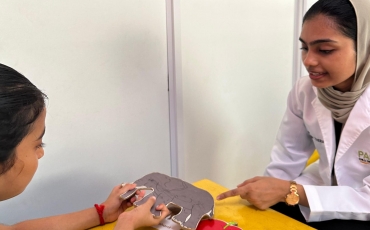
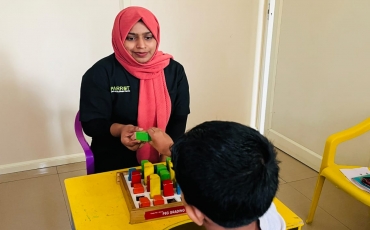
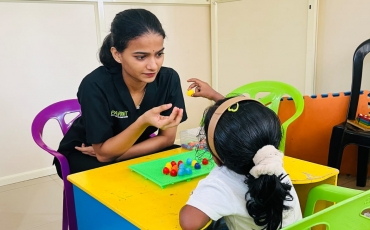
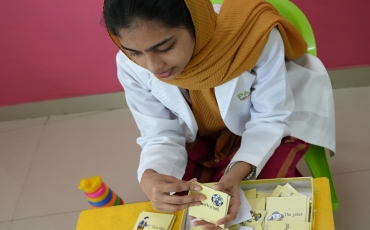
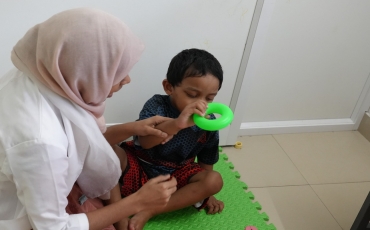
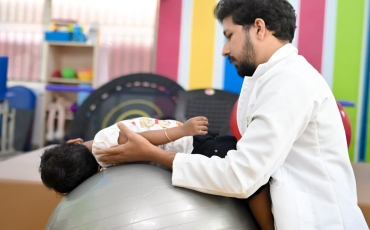
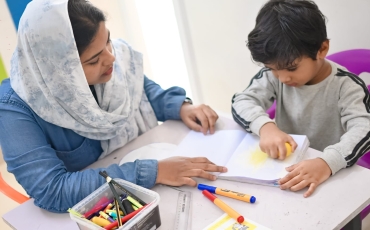
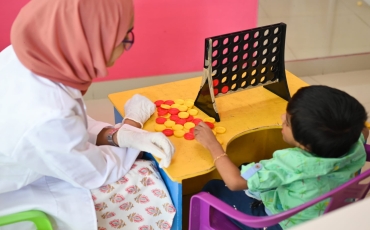
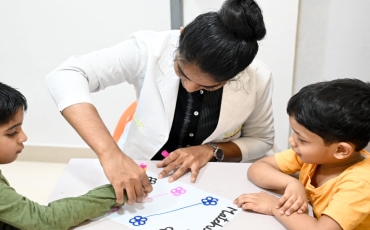
Speech therapy sessions are planned around the child's communication goals. Activities may include play, picture cards, books, conversation, structured exercises, and everyday communication tasks.
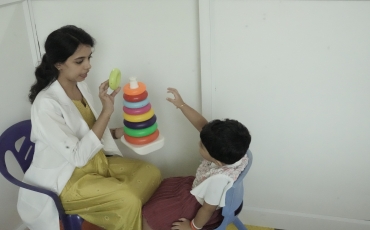
For younger children, sessions may encourage interaction, turn-taking, gestures, early vocabulary, and meaningful communication through play. Older children may work on pronunciation, sentence development, vocabulary, storytelling, or conversational skills.
Depending on the child's needs, sessions may focus on:
-
Learning and using new words
-
Understanding and following instructions
-
Combining words into sentences
-
Improving speech sound production
-
Developing conversational skills
-
Communicating needs more independently
-
Supporting social interaction
A Child Speech Therapist in Kozhikode should tailor activities to the child's assessed needs rather than following an identical programme for every child.
Progress varies between children. The therapist should explain how goals are monitored and when the plan may need to be reviewed.
How Parents Can Support Communication at Home
Therapy is only one part of a child's communication journey. Everyday interactions provide valuable opportunities to practise communication in familiar situations.
Parents can encourage language development through simple routines.
Talk During Everyday Activities
Describe what you are doing while preparing meals, getting dressed, travelling, or playing. Everyday conversations expose children to useful words and expressions.
Read Books Together
Picture books encourage children to notice objects, learn new vocabulary, describe actions, and share attention with an adult.
Follow Your Child's Interests
Join activities your child enjoys and respond to their attempts to communicate. Meaningful interaction can make communication more engaging.
Give Your Child Time to Respond
Pause after asking a question or making a comment. Children may need additional time to understand and respond.
Expand on What Your Child Says
If your child says “car,” you might respond with “red car” or “the car is moving.” This models additional language without pressuring the child to repeat every word.
Follow Professional Guidance
Ask the therapist which activities are suitable for your child and how to practise them at home. Use the languages your family communicates in comfortably, and discuss multilingual development concerns with the therapist rather than assuming that using multiple languages causes a speech delay.
These activities can support everyday communication, but they do not replace professional assessment when concerns persist.
How to Choose a Speech Therapy Centre in Kozhikode
When searching for a Child Speech Therapy Centre in Calicut, parents should consider the quality of assessment, therapist qualifications, communication with families, and the suitability of the recommended approach.
Before selecting a centre, consider asking:
-
Are the therapists appropriately qualified and experienced in working with children?
-
Is an individual assessment conducted before setting therapy goals?
-
Are the child's needs and therapy recommendations explained clearly?
-
How is progress monitored and discussed with parents?
-
Are families given practical guidance for home activities?
-
Can the therapy plan be adapted as the child's skills develop?
-
Are referrals to other professionals recommended when necessary?
A child-friendly environment and open communication with parents can also help families feel more comfortable during the process.
Parents comparing Speech Therapy for Kids in Calicut should look for a provider that offers clear explanations, individualised goals, and realistic expectations rather than promises of guaranteed results.
Speech Therapy Support at Parent Child Development Centre
Parents exploring Speech Therapy for Children in Kozhikode can learn more about the services offered by Parent Child Development Centre and enquire about support suited to their child's communication needs.
Before beginning therapy, families can ask about the assessment process, therapist qualifications, recommended goals, parent involvement, and how progress is reviewed.
The right approach depends on the child's individual communication profile. A professional assessment can help parents understand their options and decide on appropriate next steps.
To learn more, visit the Speech Therapy service page at Parent Child Development Centre: [Insert the actual Speech Therapy service-page URL here].
Families can use the centre's enquiry options to ask questions about appointments and the services available.
Frequently Asked Questions
At what age can a child start speech therapy?
There is no single starting age for every child. Parents can seek professional advice whenever they have concerns about communication development. An assessment helps determine whether therapy, monitoring, or other support is appropriate.
Does every child with speech delay need therapy?
Not necessarily. The reasons for delayed speech vary. A qualified professional can assess the child's communication skills and recommend suitable next steps.
How long does speech therapy take?
The duration depends on the child's needs, therapy goals, and progress. Parents should ask how progress will be monitored and when goals will be reviewed.
Can parents support speech development at home?
Yes. Talking during daily activities, reading together, playing, and following the therapist's recommendations can create useful opportunities for communication. These activities should complement professional guidance when needed.
How do I find a child speech therapist in Kozhikode?
Research local providers, check therapist qualifications, and ask about individual assessment, therapy planning, parent guidance, and progress reviews before choosing a service.
Conclusion
Communication helps children express their needs, build relationships, participate in learning, and engage with the world around them. When parents notice difficulties with speech or language development, seeking appropriate professional guidance can help clarify the next steps.
Understanding the assessment process, choosing a suitable provider, and encouraging communication at home can help families participate actively in their child's development. For parents exploring Speech Therapy in Calicut, a service that focuses on individual needs, clear communication, and appropriate therapy goals is an important consideration.