When Should a Child Start Speaking? Speech and Language Milestones by Age
Every child develops speech and language skills at their own pace. However, there are expected developmental milestones that help parents understand whether a child's communication is progressing appropriately.
Knowing when children typically begin babbling, saying their first words, combining words, and forming sentences can help parents identify possible speech and language delays early.
If your child is not meeting expected communication milestones, seeking professional advice early can make a significant difference. Early assessment and intervention can support better communication and language development.
Speech and Language Developmental Milestones by Age
Birth to 6 Months
During the first six months, babies communicate mainly through crying, facial expressions, eye contact, cooing, and responding to familiar voices.
Babies may:
- Respond to familiar sounds and voices
- Make cooing sounds
- Look towards sounds
- Use facial expressions to communicate
- Make eye contact with caregivers
These early social and communication skills form the foundation for later speech and language development.
6 to 12 Months
Between six and twelve months, babies usually become more vocal and interactive.
They may:
- Begin babbling sounds such as "ba-ba" or "ma-ma"
- Respond to their name
- Recognize familiar words
- Respond to simple sounds or verbal routines
- Use gestures such as waving or pointing
- Imitate sounds and facial expressions
Pointing, showing objects, and sharing attention with caregivers are important early communication skills.
Around 12 Months
Around their first birthday, many children begin using their first meaningful words.
They may also:
- Understand simple instructions
- Recognize familiar people and objects
- Use gestures to communicate wants and needs
- Imitate sounds and words
- Use vocalizations to gain attention
Children develop at different rates, but a lack of babbling, gestures, or response to sounds may require further evaluation.
Around 18 Months
By around 18 months, many children begin using a growing number of words to communicate.
They may:
- Name familiar people and objects
- Use words to request something
- Follow simple instructions
- Point to familiar objects when named
- Understand more words than they can say
It is common for receptive language, or what a child understands, to develop ahead of expressive language, or what they can say.
By 2 Years
By two years of age, many children can use at least 50 words and begin combining two words, such as:
- "More milk"
- "Mummy come"
- "Want ball"
- "Go outside"
Children may also begin asking simple questions and following two-step instructions.
If a child has very few words or is not combining words by this age, it is advisable to discuss their development with a speech-language professional.
By 3 Years
By three years, children typically communicate using short sentences and ask simple questions.
They may:
- Use longer phrases and sentences
- Ask and answer simple questions
- Talk about familiar experiences
- Follow more complex instructions
- Participate in simple conversations
- Become increasingly understandable to people outside the family
A significant difference between a child's understanding and ability to express themselves should also be discussed with a professional.
When Should You Consider a Speech and Language Evaluation?
Parents should consider seeking professional advice if their child shows signs such as:
- No babbling or limited vocalizations
- Limited use of gestures such as pointing or waving
- Poor response to their name or sounds
- No meaningful words around 18 months
- Very limited vocabulary around two years
- Not combining words by two years
- Difficulty understanding simple instructions
- Difficulty expressing basic needs
- Speech that is difficult to understand for their age
- Loss of previously acquired speech or communication skills
Other factors such as premature birth, recurrent ear infections, hearing difficulties, developmental concerns, or a family history of speech and language difficulties may also warrant closer monitoring.
How Speech Therapy Can Support Language Development
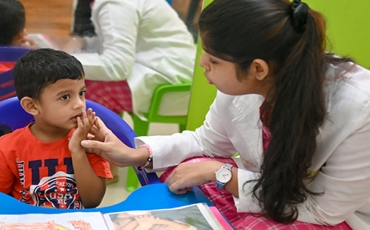
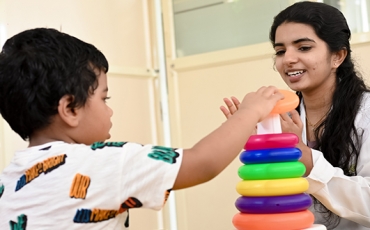
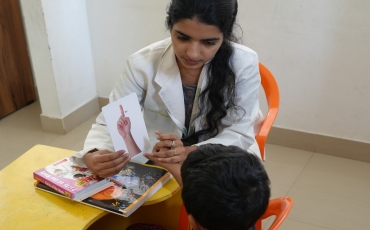
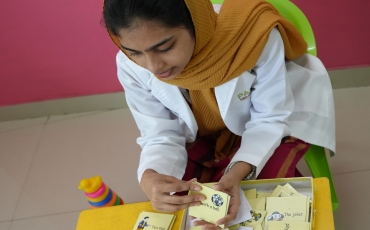
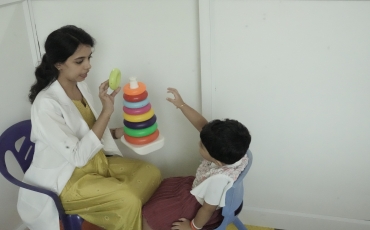
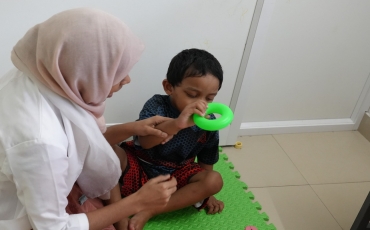
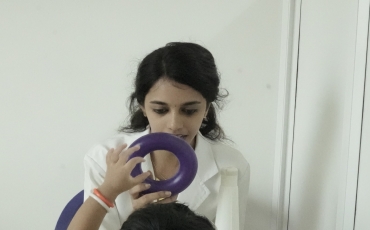
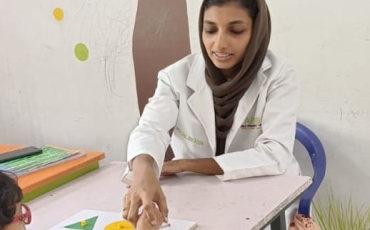
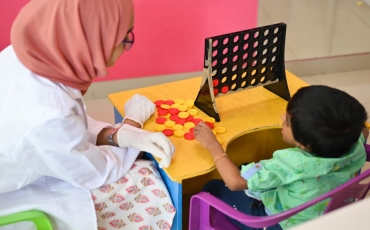
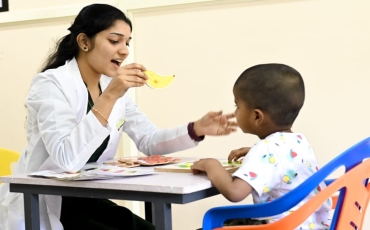
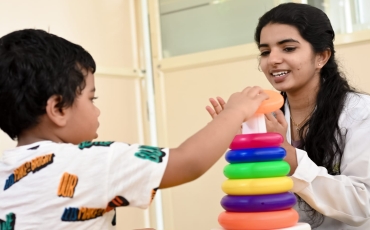
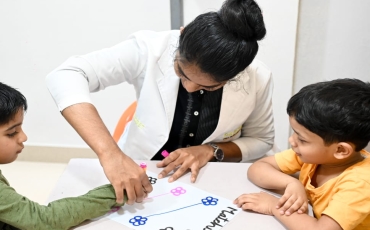
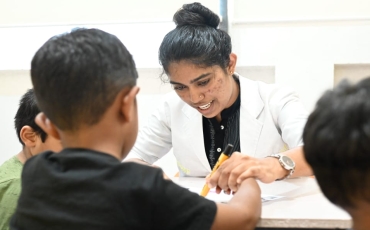
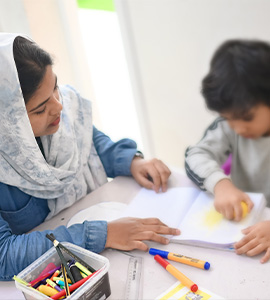
Speech therapy can help children develop communication skills based on their individual needs. A speech-language professional first assesses the child's receptive language, expressive language, speech sounds, social communication, and other relevant skills.
Based on the assessment, therapy may focus on:
- Vocabulary development
- Understanding language
- Sentence formation
- Speech sound development
- Functional communication
- Social communication
- Following instructions
- Expressing wants and needs
- Conversation skills
For parents looking for professional support, Speech Therapy in Kozhikode can provide children with access to assessment and individualized intervention based on their communication needs.
Evidence-Based Ways Parents Can Encourage Language Development
Parents play an important role in supporting communication at home. Simple everyday interactions can provide valuable opportunities for children to learn language.
1. Follow Your Child's Interests
Talk about what your child is already looking at, playing with, or showing interest in. This makes language learning more meaningful.
2. Expand What Your Child Says
If your child uses a short phrase, expand it naturally.
For example:
Child: "Dog run."
Parent: "Yes, the big dog is running."
This provides a natural model without forcing the child to repeat the sentence.
3. Read Books Together
Shared book reading can help children learn new vocabulary, understand stories, and develop early conversation skills.
Ask simple questions, describe pictures, and encourage your child to point, name, or talk about what they see.
4. Use Everyday Activities
Daily routines such as bathing, eating, dressing, shopping, and playing can become opportunities for language development.
Talk about what you are doing and introduce simple words related to the activity.
5. Encourage Communication
Give your child opportunities to request, choose, comment, and respond. Communication does not always have to be through spoken words. Gestures, facial expressions, pictures, and other communication methods can also be meaningful.
6. Reduce Background Distractions
Excessive background television or other distractions can reduce opportunities for face-to-face interaction. Creating quiet periods for talking, playing, and reading can encourage communication.
Common Myths About Speech Development
Myth 1: Bilingualism Causes Speech Delay
Learning more than one language does not automatically cause a speech or language disorder. Children exposed to multiple languages may use both languages during communication, and assessment should consider their overall language development.
Myth 2: Boys Naturally Talk Much Later Than Girls
Individual differences exist, but persistent communication difficulties should not simply be dismissed because a child is a boy.
Myth 3: If a Child Understands Everything, Speech Will Automatically Come Later
Understanding language and using language are related but different skills. A child may understand more than they can express, but significant difficulties in either area should be monitored.
Myth 4: Parents Should Simply Wait for Speech to Develop
While children develop at different rates, persistent delays should not always be treated with a "wait and see" approach. Early assessment can help identify the child's needs and provide appropriate support.
Why Early Intervention Matters
The early years are an important period for communication and brain development. Identifying speech and language difficulties early allows professionals and parents to work together to support the child's communication skills.
Early intervention may help children improve:
- Understanding of language
- Vocabulary
- Sentence development
- Speech clarity
- Social communication
- Ability to express needs
- Interaction with family and peers
When Should a Child Start Speech Therapy?
There is no single age at which every child should start speech therapy. The need for therapy depends on the child's individual developmental profile and communication difficulties.
If a child is showing persistent signs of speech or language delay, parents do not necessarily need to wait until a particular age before seeking an assessment.
A speech-language evaluation can help determine whether the child's communication skills are developing as expected and whether intervention would be beneficial.
Speech Therapy for Children in Kozhikode
If you are concerned about your child's speech, language, or communication development, professional assessment can help identify the underlying areas that need support.
At Parrot Child Development Centre, Kozhikode (Calicut), children can receive individualized developmental assessment and therapy based on their specific needs. Early guidance can help parents understand their child's communication development and choose appropriate intervention when required.
Conclusion
Children develop speech and language skills at different rates, but developmental milestones provide useful guidance for parents and caregivers.
If your child is not using words, combining words, understanding language, or communicating appropriately for their age, it is important to seek professional advice rather than waiting indefinitely.
Early identification and appropriate intervention can provide children with valuable support during an important stage of communication development.
If you have concerns about your child's speech or language development, consider consulting a qualified speech-language professional for an assessment and personalized guidance.