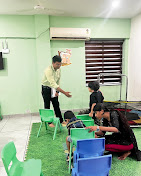
Speech Therapy for Children in Calicut: What Parents Need to Know
Speech and communication are important parts of a child's development. Children use communication to express their needs, interact with family members, learn new things, build friendships, and participate in everyday activities.
While children develop communication skills at different rates, some may experience ongoing difficulties with speech, language, or communication. In such situations, parents may consider professional support.
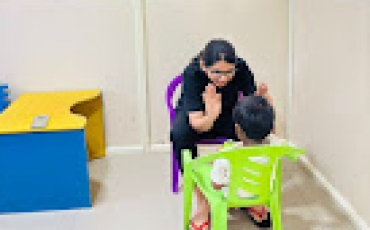
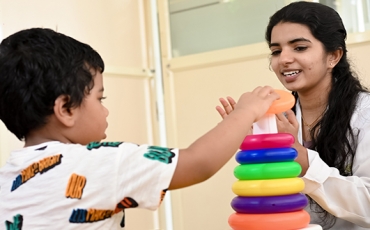
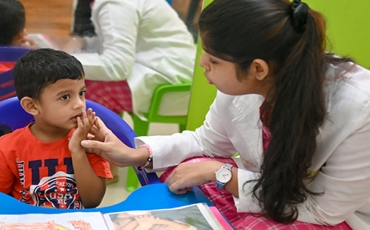
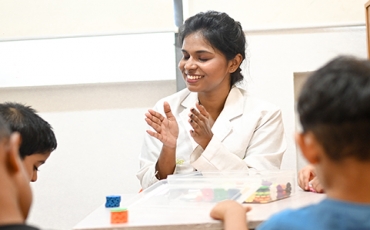
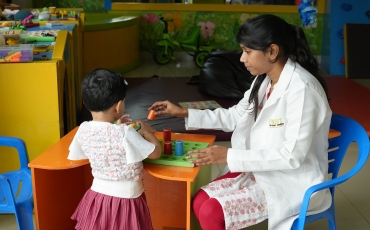
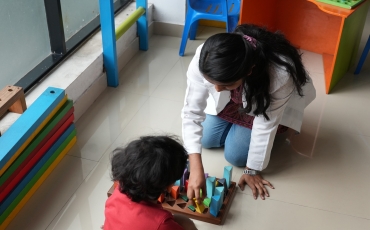
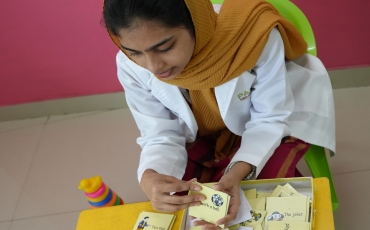
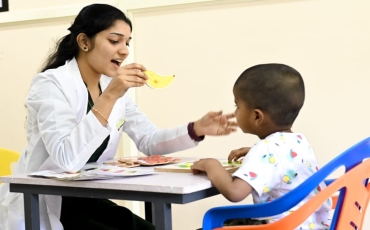
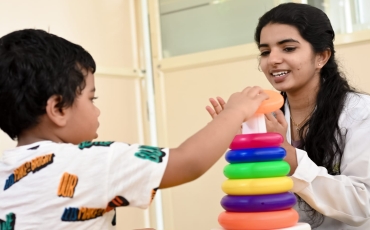
Speech Therapy for Children in Calicut can help children develop and improve different communication skills based on their individual needs.
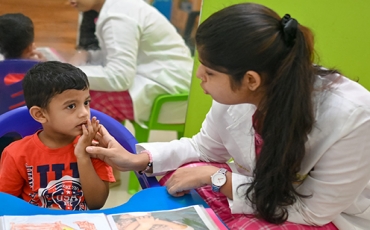
Speech therapy is not limited to correcting pronunciation. A speech-language pathologist may work on speech sounds, vocabulary, understanding language, sentence formation, fluency, social communication, and functional communication.
What Is Speech Therapy for Children?
Speech therapy for children is a professional service that addresses difficulties related to speech, language, and communication.
Depending on the child's needs, therapy may focus on:
- Speech sound production
- Pronunciation and speech clarity
- Understanding spoken language
- Expressing thoughts and needs
- Vocabulary development
- Sentence formation
- Social communication
- Fluency
- Voice
- Functional communication
Every child is different, so therapy goals should be based on an appropriate assessment rather than a standard program for all children.
When Might a Child Need Speech Therapy?
Parents may consider consulting a speech-language professional when they notice persistent concerns about their child's communication.
Some possible signs include:
- The child is using fewer words than expected
- Speech is difficult for others to understand
- The child has difficulty forming sentences
- The child struggles to understand instructions
- The child has difficulty expressing wants or needs
- The child frequently becomes frustrated while communicating
- The child has difficulty participating in conversations
- The child shows difficulties with social communication
- The child has noticeable fluency difficulties
- Previously acquired communication skills have been lost
These signs do not automatically mean that a child has a speech or language disorder. A professional assessment is needed to understand the reason for the difficulty.
What Areas Can Children's Speech Therapy Address?
1. Speech Sound Difficulties
Some children have difficulty producing particular speech sounds or making their speech clear.
A speech-language pathologist can assess the child's speech sound patterns and develop appropriate goals.
2. Language Development
Language includes both understanding and expressing information.
Children may need support with:
- Learning new words
- Understanding instructions
- Combining words
- Forming sentences
- Answering questions
- Describing events
- Expressing ideas
3. Communication Skills
Some children may know words but find it difficult to use communication effectively in everyday situations.
Therapy can support functional communication such as:
- Asking for help
- Making choices
- Requesting something
- Answering questions
- Sharing information
- Expressing feelings
4. Social Communication
Communication also involves interacting with other people.
Depending on the child's needs, therapy may address:
- Turn-taking
- Initiating interaction
- Responding to others
- Conversation skills
- Joint attention
- Understanding social communication
5. Fluency
Some children experience stammering or other fluency difficulties.
A speech-language professional can assess the child's fluency and provide individualized guidance based on their communication needs.
What Happens During a Speech Therapy Assessment?
Before therapy begins, a speech therapy assessment helps the therapist understand the child's communication profile.
The assessment may look at:
- Receptive language
- Expressive language
- Vocabulary
- Speech sounds
- Sentence development
- Fluency
- Social communication
- Play and interaction
- Functional communication
The therapist may also ask parents about developmental history, communication at home, concerns they have noticed, and situations in which the child communicates more easily.
Hearing may also be considered where appropriate because hearing difficulties can affect speech and language development.
Parents can learn more about this process in our guide to Speech Therapy Assessment for Children: What Parents Need to Know.
Does Every Child With Speech Delay Need Speech Therapy?
Not necessarily.
Children develop at different rates, and some children may naturally make progress in their communication skills.
However, it can be difficult for parents to determine whether a child will catch up without support.
If concerns persist, an assessment can help parents understand the child's current abilities and whether professional support may be useful.
Speech therapy should be based on the child's individual communication needs rather than simply on their age or number of words.
Can Speech Therapy Help Late Talkers?
Some children are late to start talking and may have difficulty developing vocabulary or combining words.
A speech-language assessment can help determine the child's receptive and expressive language abilities and identify appropriate support.
For children who are late talkers, therapy may focus on:
- Building vocabulary
- Encouraging meaningful communication
- Understanding language
- Combining words
- Using gestures and other communication methods
- Developing interaction skills
Parents can also learn more from our article on Speech Therapy for Late Talkers.
Speech Therapy for Children With Autism
Some autistic children may have differences in speech, language, or social communication.
Speech therapy may support areas such as:
- Functional communication
- Understanding and using language
- Social interaction
- Conversation skills
- Speech production
- Alternative and augmentative communication when appropriate
However, autism does not affect every child's communication in the same way. Therapy should therefore be individualized according to the child's communication profile.
Speech delay by itself does not mean that a child has autism.
Can Parents Support Speech Development at Home?
Yes. Parents can create many natural opportunities for communication during everyday activities.
Talk About What Your Child Is Doing
If your child is playing with a toy car, you can talk about the activity:
“Car.”
“Red car.”
“Car is moving.”
This gives the child opportunities to hear useful language in context.
Read Together
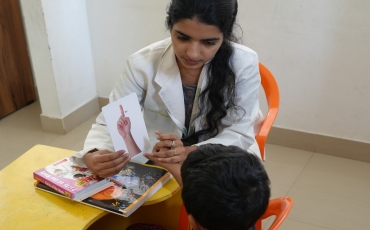
Picture books can help introduce new vocabulary and encourage children to describe pictures, answer questions, and participate in simple conversations.
Offer Choices
Give your child simple choices rather than always anticipating what they want.
For example:
“Apple or banana?”
This encourages meaningful communication.
Give Enough Time to Respond
After asking a question, pause and allow your child time to respond.
Avoid immediately answering on their behalf.
Follow Their Interests
Children often communicate more naturally when they are engaged in an activity they enjoy.
Use their interests as opportunities to introduce and repeat useful words.
How to Choose a Speech Therapist for Your Child in Calicut
Parents searching for a Speech Therapist in Calicut may find several options. Before choosing a centre or therapist, consider:
- Professional qualifications
- Experience working with children
- Assessment before therapy
- Individualized therapy goals
- Parent involvement
- Child-friendly environment
- Communication between therapist and family
- Availability of other developmental services when required

The appropriate choice depends on the child's individual needs and the type of support recommended following assessment.
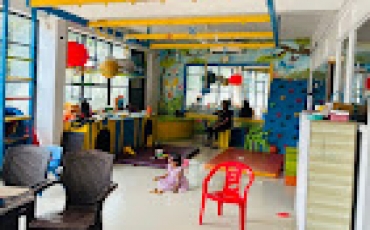
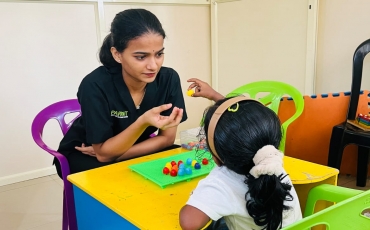
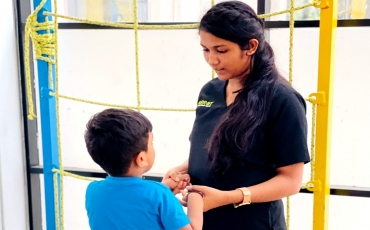
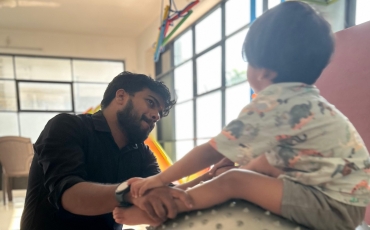
Speech Therapy for Children in Calicut at Parrot Child Development Centre
Parents looking for Speech Therapy for Children in Calicut can consider professional assessment and therapy at Parrot Child Development Centre in Kozhikode.
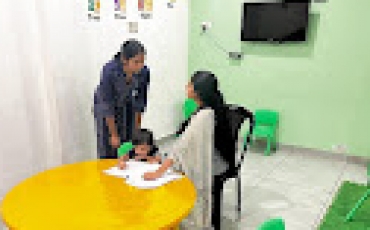
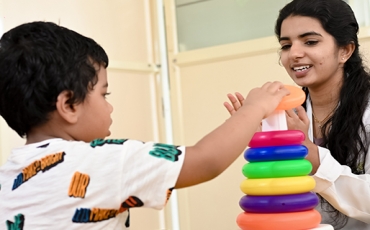
Parrot's Speech Therapy service supports children with different speech, language, and communication needs. Areas addressed may include speech sounds, receptive and expressive language, social interaction, fluency, voice production, and other communication skills.


7
Therapy is planned according to the child's individual communication profile and needs.
Parents can explore Speech Therapy in Calicut at Parrot to learn more about the service and assessment process.
Frequently Asked Questions
What age can children start speech therapy?
There is no single age that applies to every child. If parents have concerns about speech, language, or communication, they can discuss them with a qualified speech-language professional.
Is speech therapy only for children who cannot speak?
No. Speech therapy can support children who have difficulties with pronunciation, language, fluency, voice, social communication, or functional communication.
Can speech therapy help a child with language delay?
Depending on the child's individual profile, speech-language therapy may support understanding and use of language.
How long does children's speech therapy take?
The duration varies depending on the child's needs, therapy goals, progress, and recommended frequency.
Should parents wait before consulting a speech therapist?
Parents do not necessarily need to wait if they have ongoing concerns. An assessment can help clarify whether the child needs therapy, monitoring, or other support.
Conclusion
Children develop speech and language skills at different rates, but persistent communication concerns deserve attention.
Speech Therapy for Children in Calicut can provide individualized support for children experiencing difficulties with speech, language, fluency, social communication, or other communication needs.
A professional assessment can help parents understand their child's strengths and difficulties and identify appropriate next steps.
For families searching for Speech Therapy in Calicut, consulting a qualified speech-language professional can be a useful starting point for understanding and supporting a child's communication development.